
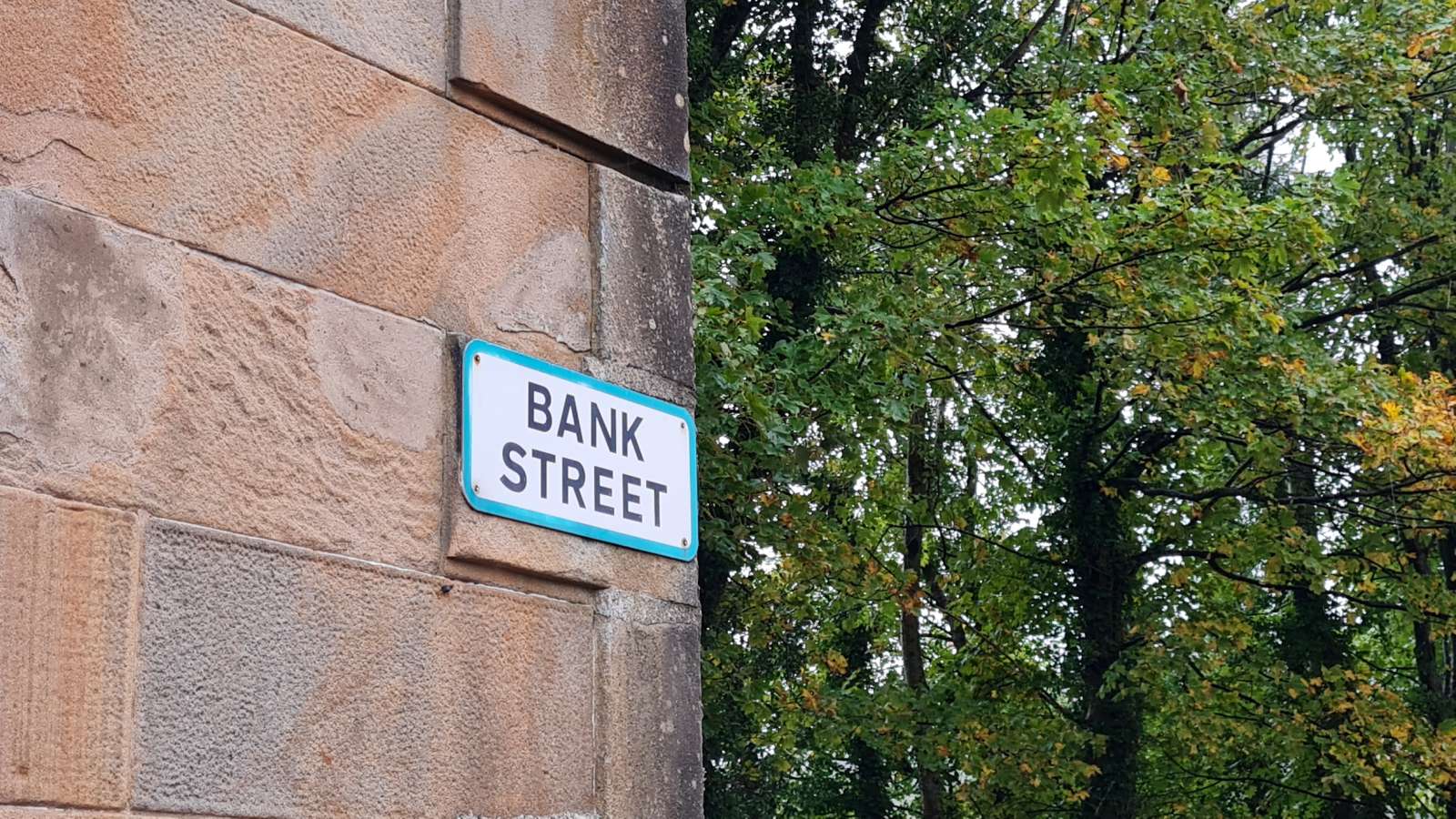
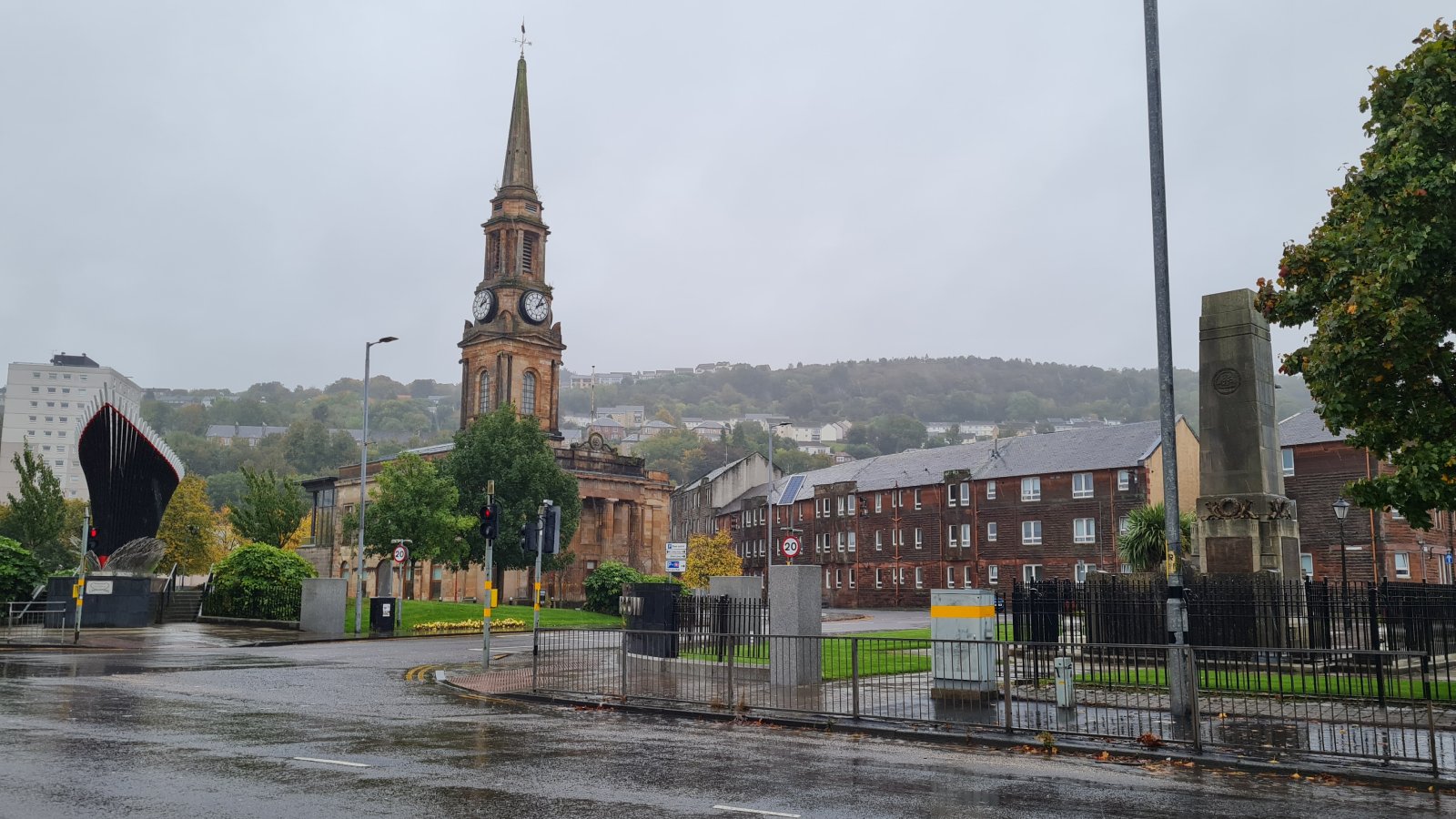
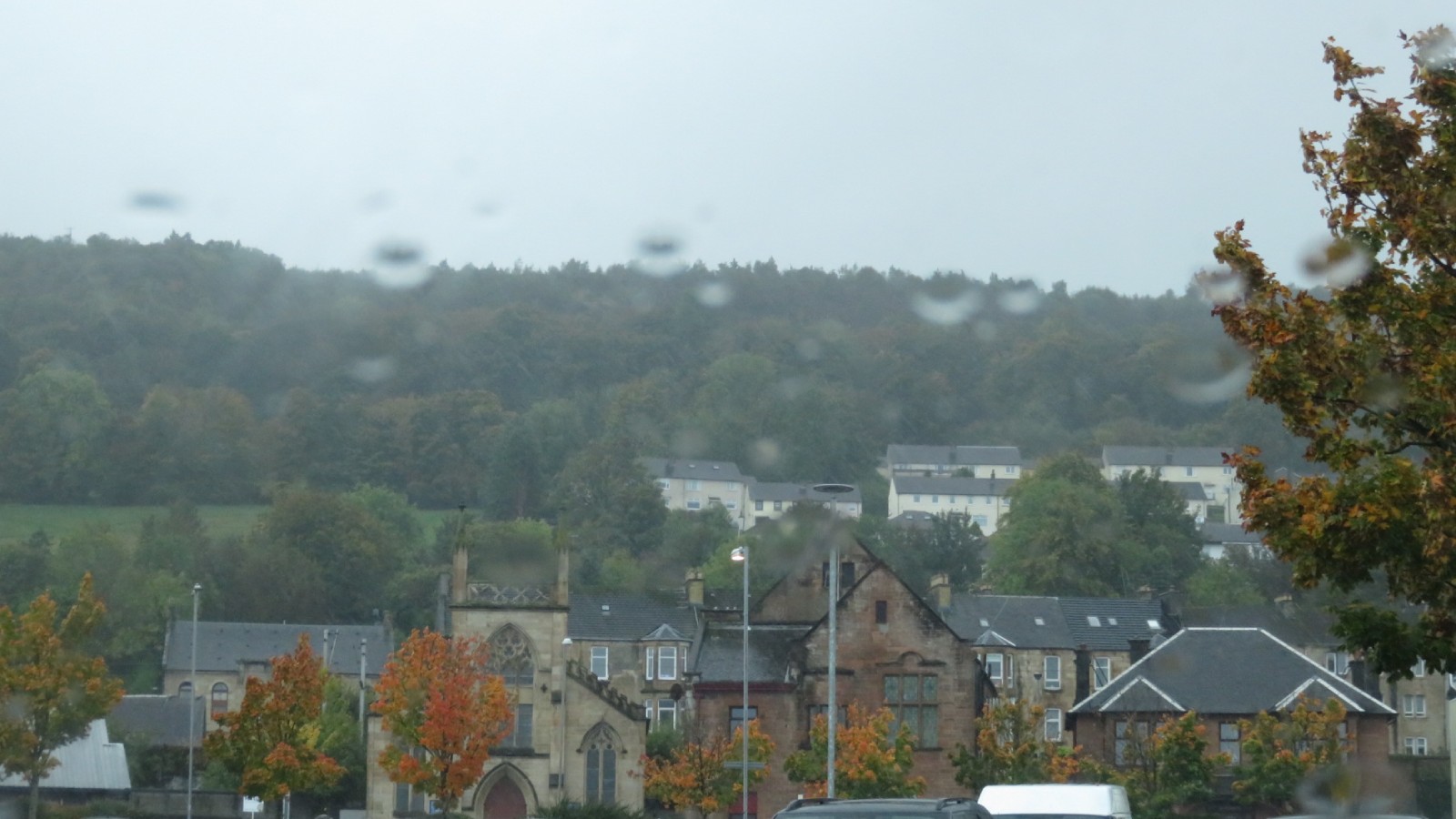
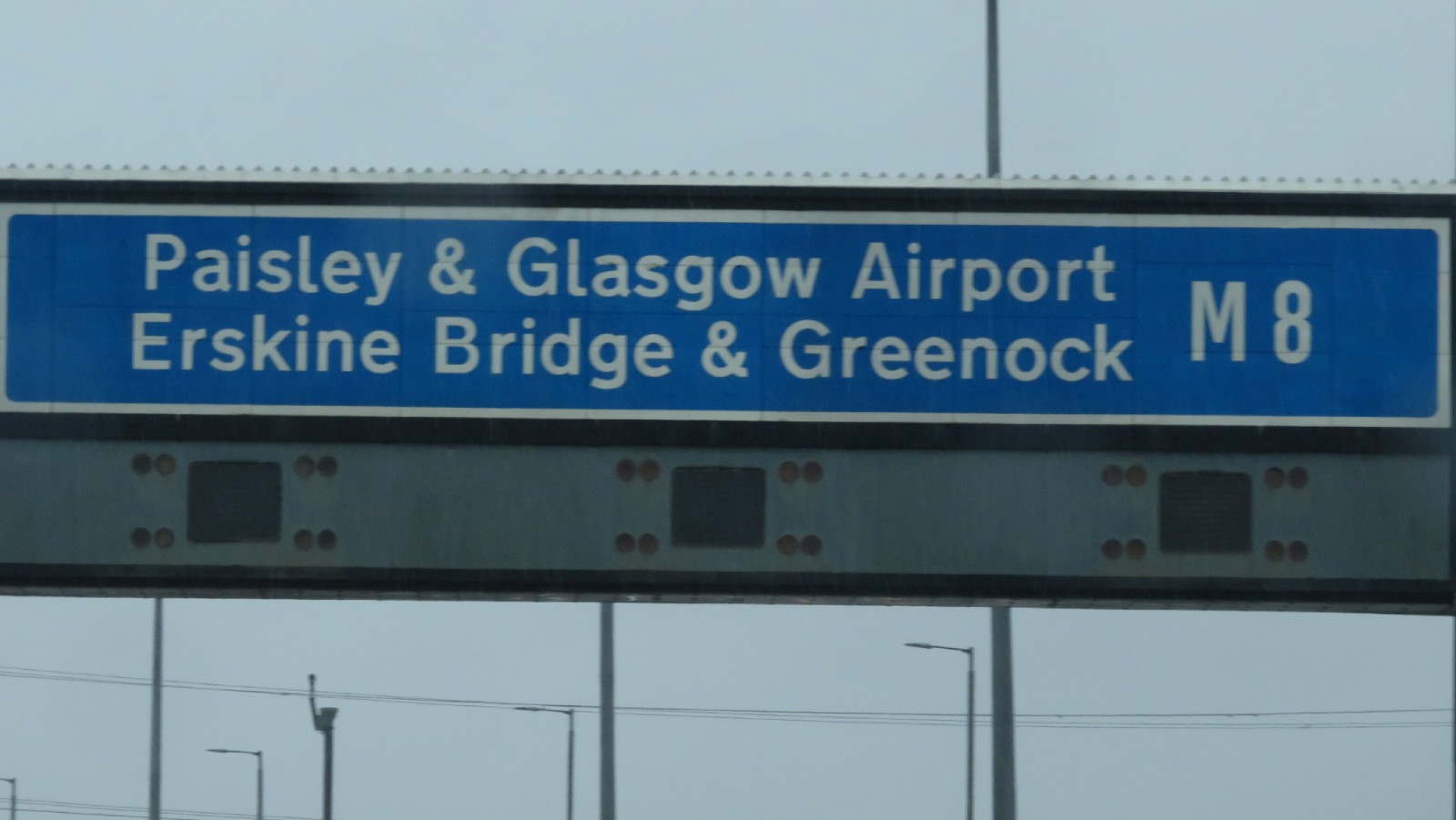
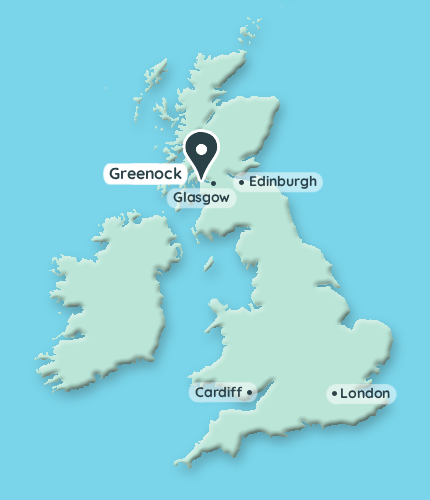
Despite the pouring rain from Storm Amy which was making its way across northern UK, we took the 40km drive along the River Clyde from Glasgow to Greenock for a quick look at a family history location (see details below).
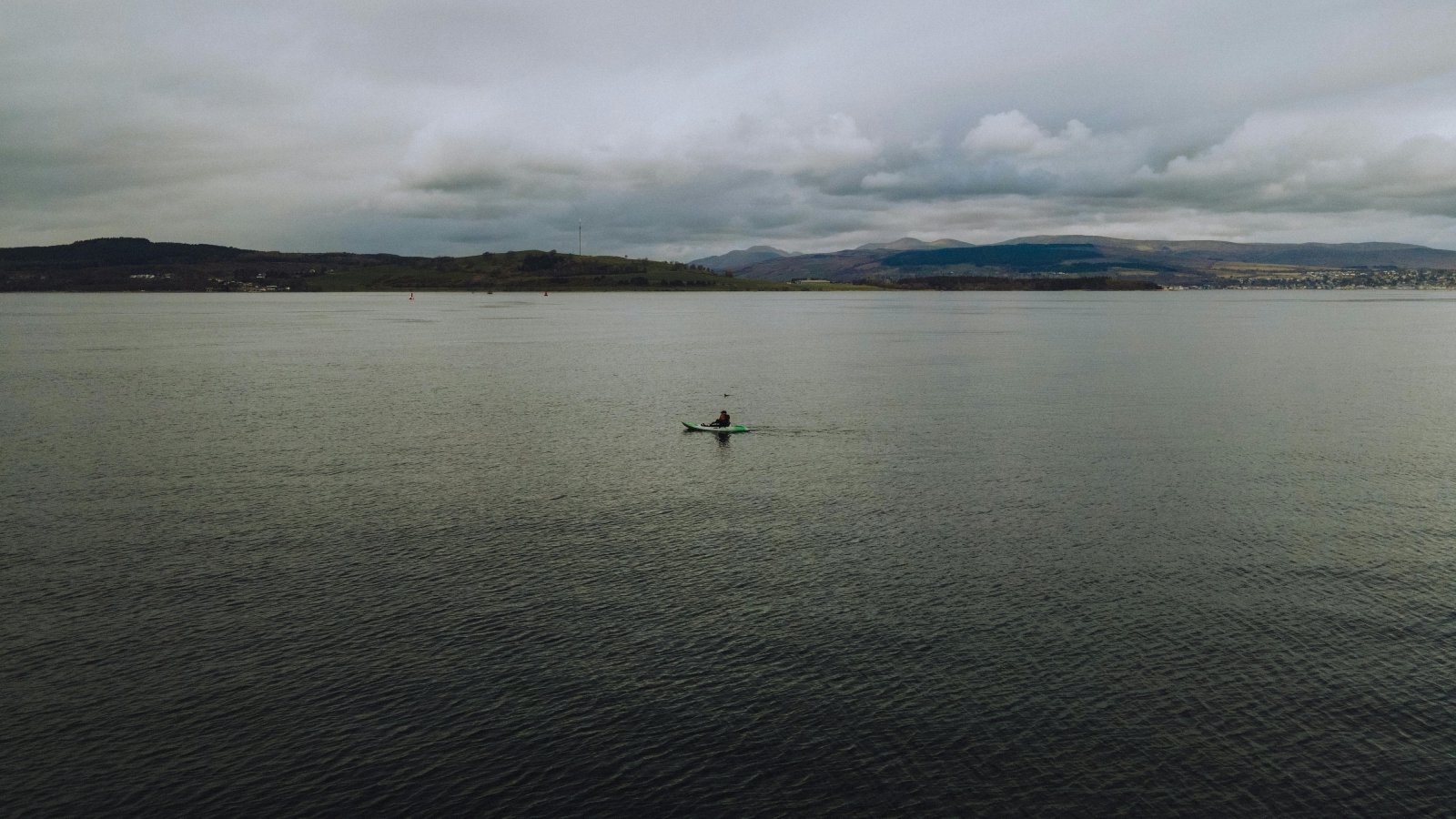
The last six photos above are from our drive. The sixth last photo is not ours, but a stock photo I have included to give an indication of the stunning view we saw briefly of the river on our way past, but we weren’t quick enough to snap a photo!
Greenock began life as a small fishing village and became a bustling industrial centre and shipping port in the 18th century. It now has a population of around 42,000.
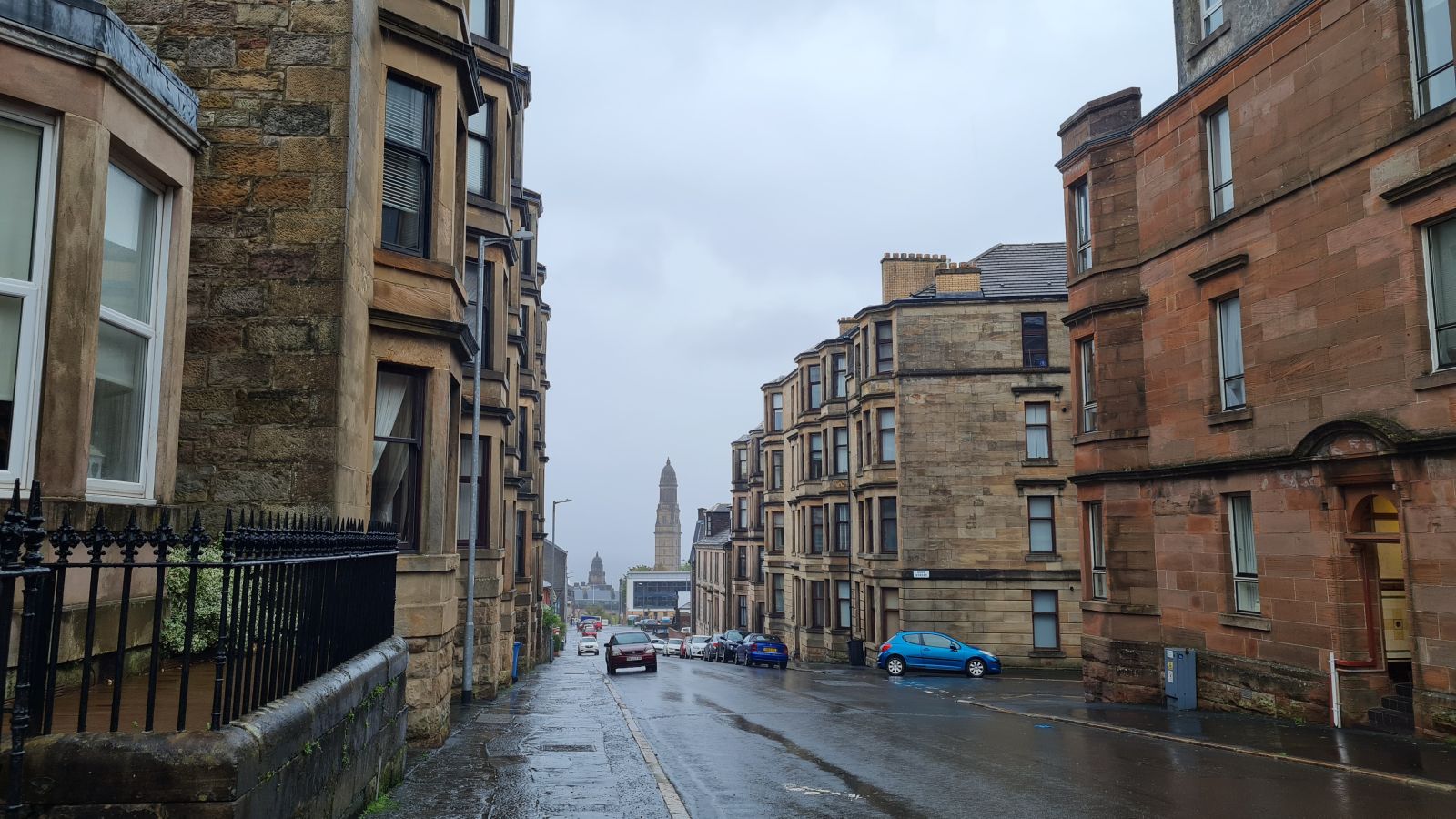
The family history location was at the southern end of Bank Street, but I found out after our visit that the northern end of Bank Street also had an interesting history –
True to its name it had a bank – the Renfrewshire Bank – which was built in 1802 and still stands.
One of Greenock’s two castles – the Wester Greenock Castle – stood here from the 16th century until 1886. What is today known as Well Park was part of the castle grounds, and its 16th century well and gates still stand.
There was also a prison here up until 1887 which was the site of the Scottish Radical War – a riot that took place in 1820 after years of political unrest between striking textile workers and soldiers. A monument marks the location of the riot and memorialises the eight people who died and the many who were wounded in the conflict.
Family history connection
A few years ago I researched my grandfather Keith Bruce's family history. His father's family lived in Greenock in the 1800s, prior to that they lived in Edinburgh (more on that later).
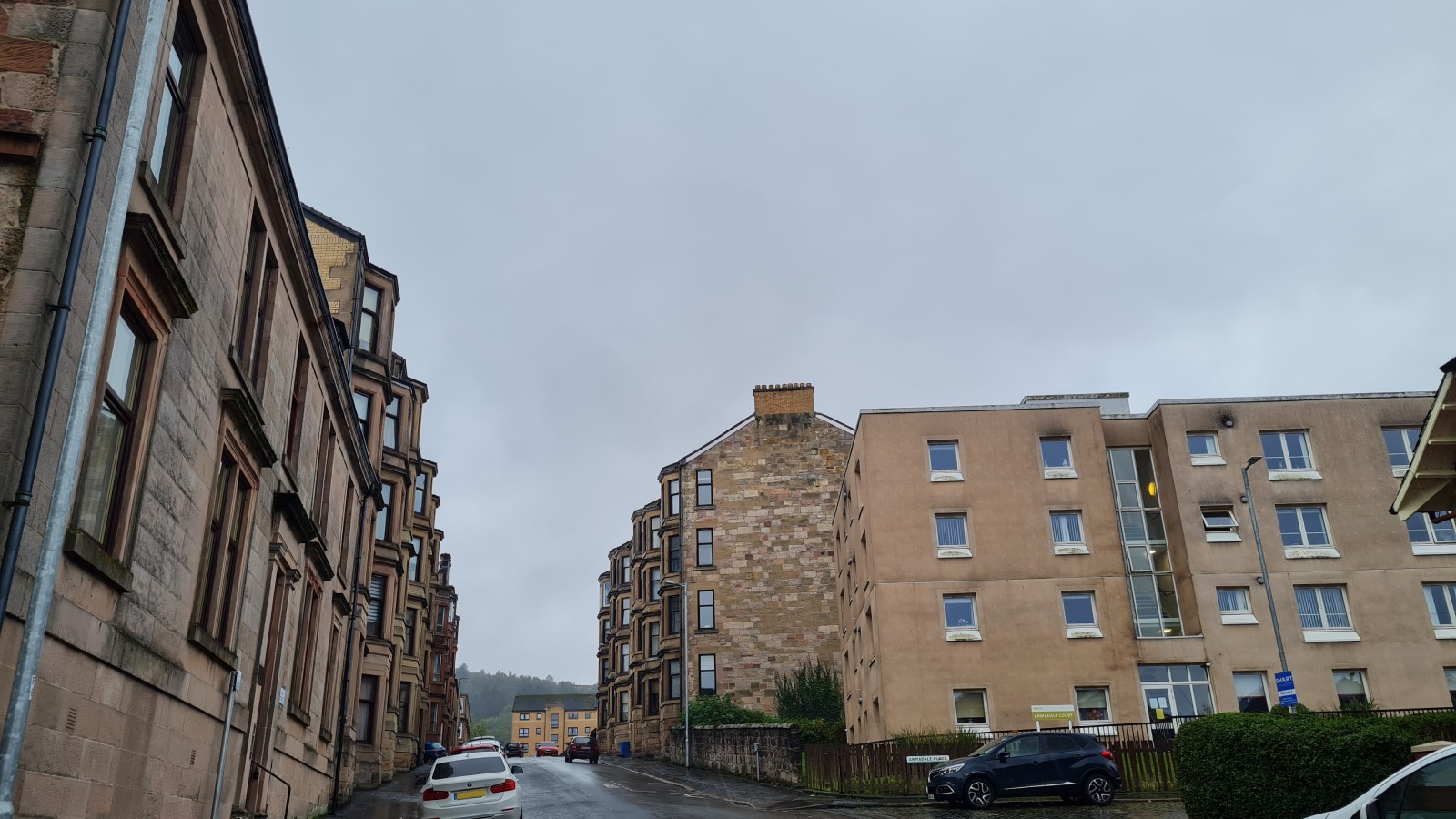
I had been able to pinpoint the name of their house and street, so I was glad to have the opportunity to see it in-person. I had narrowed it down to a two-block section at the southern end of Bank Street, but could not be sure which house it was, or if it even still existed.
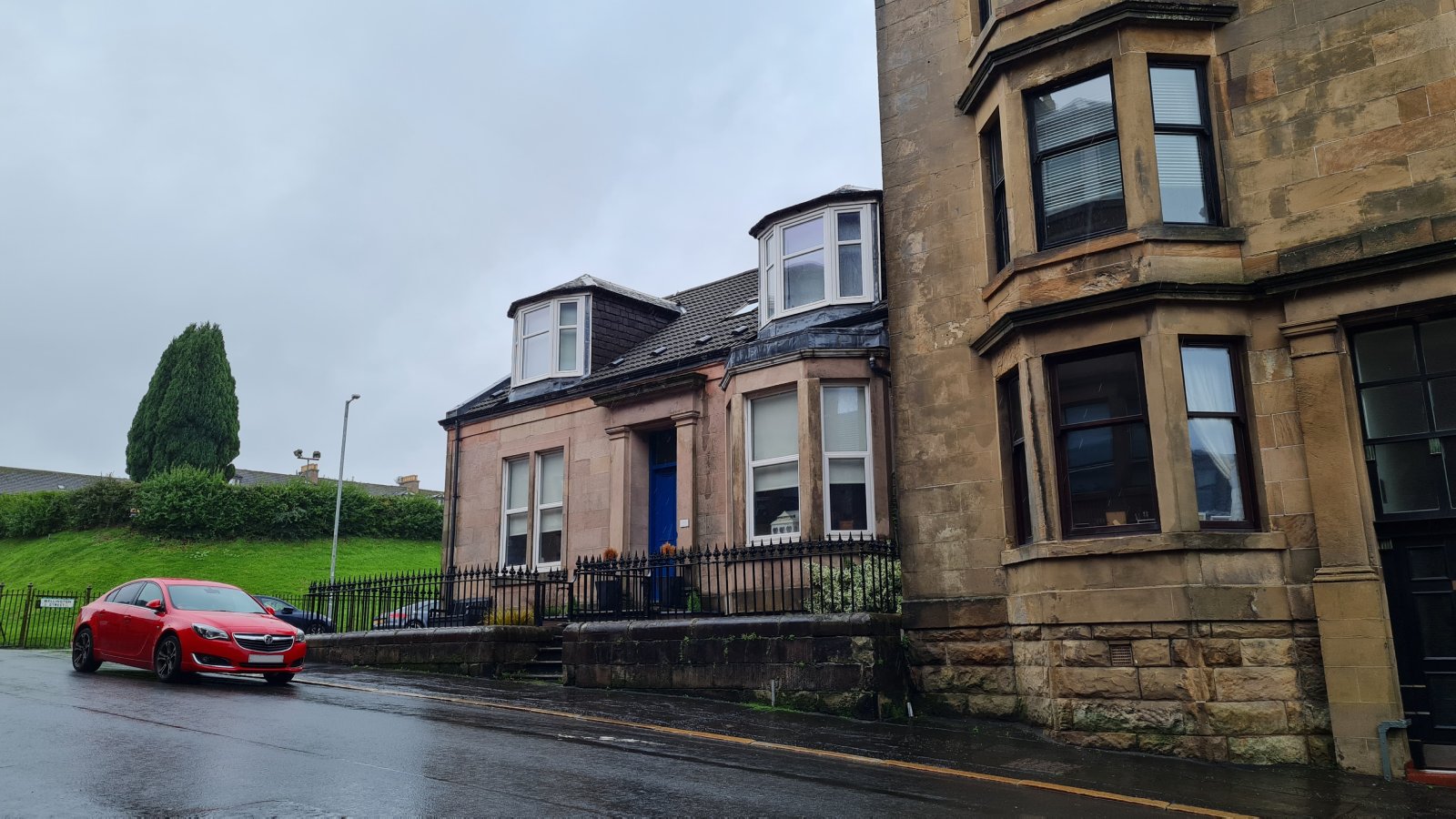
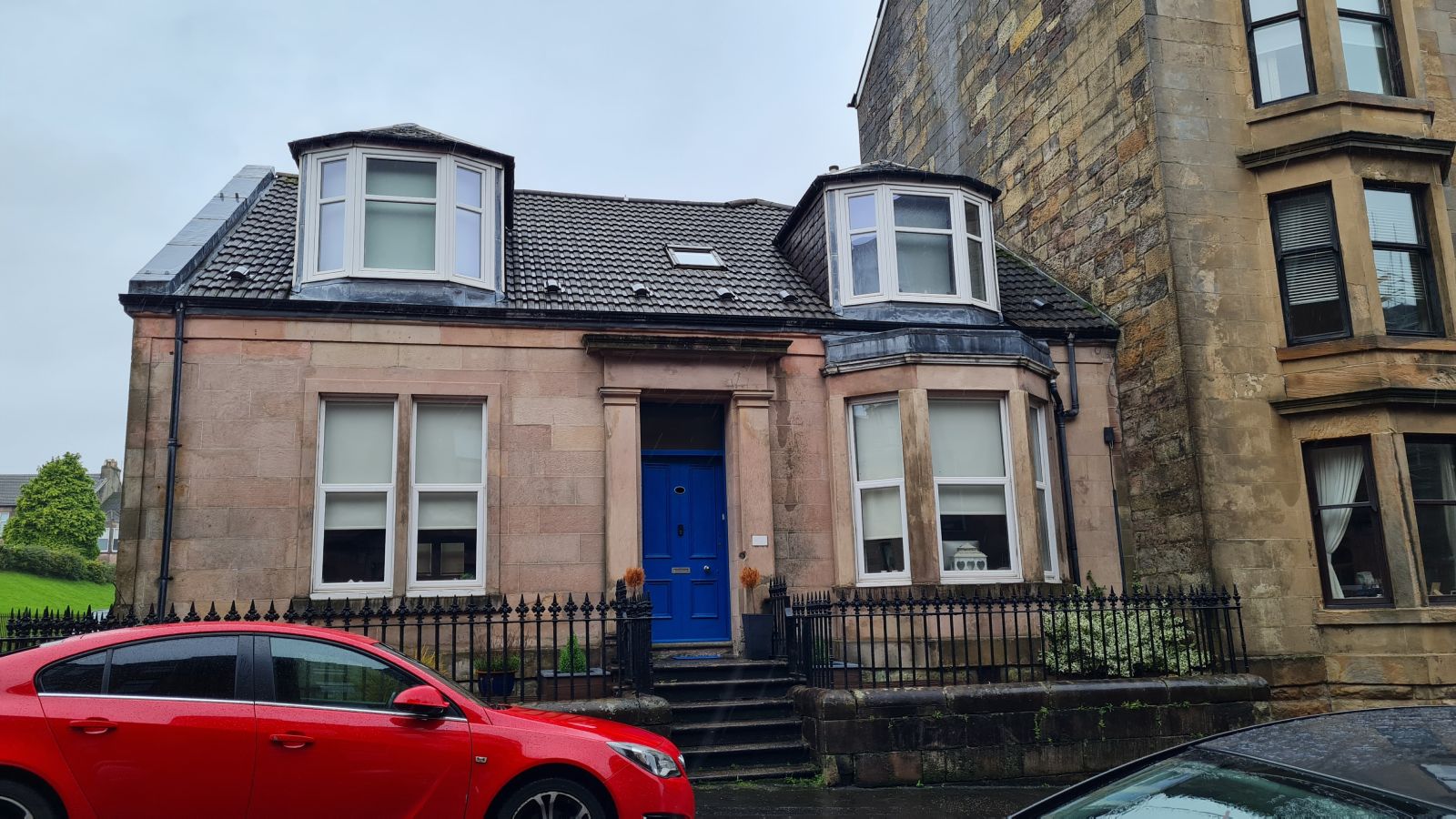
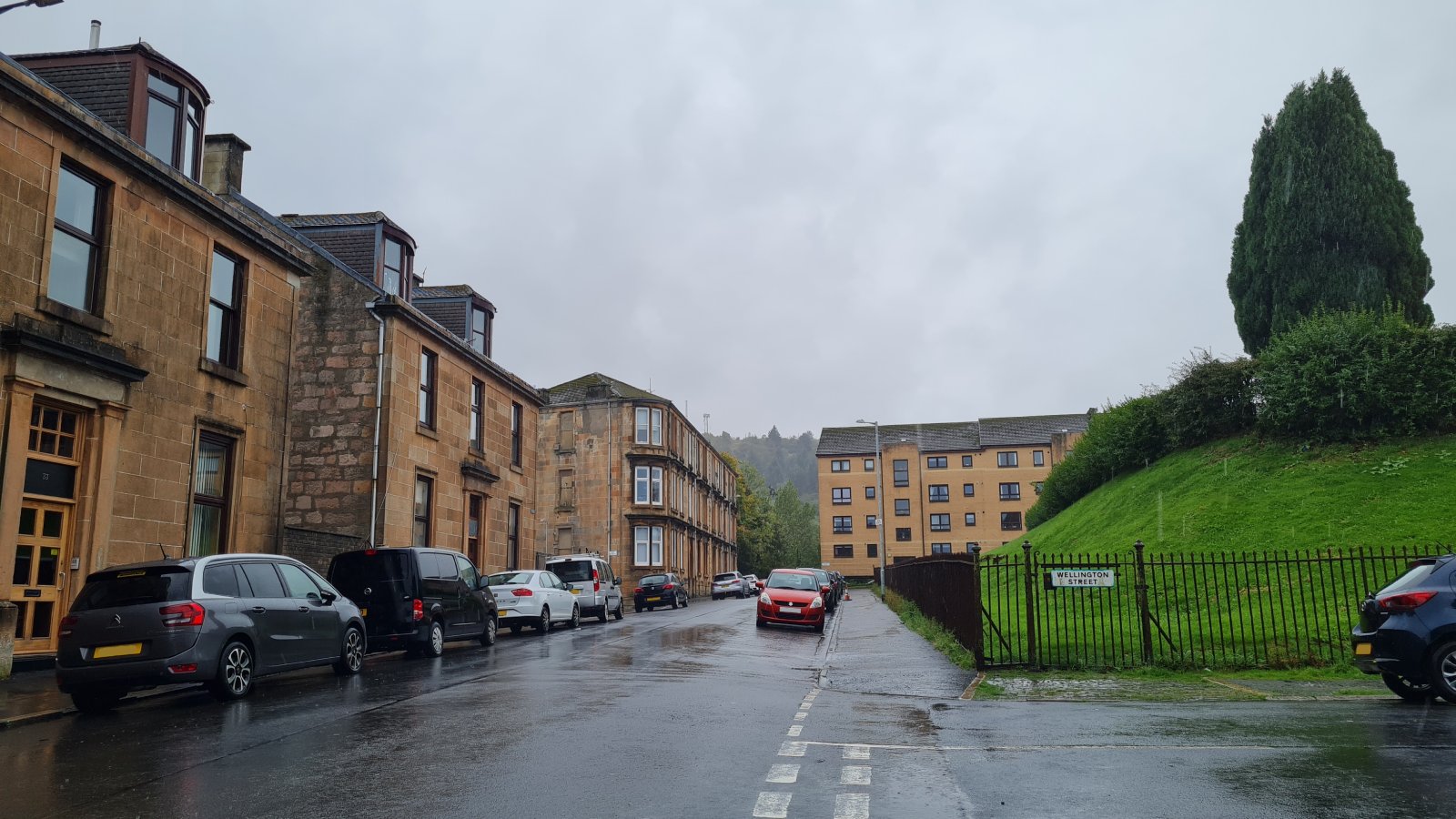
Their home was called Mount Park Cottage, but I could only find one cottage in that section of the street, which may or may not have been it (photos 2 and 3). If it wasn't it, I think their cottage would have been very similar as it more or less fitted the description I had found. Most of this section of the street had three-storey tenement apartment blocks, so perhaps the cottage had been replaced by one of these.
According to my research, my great great grandfather Alexander came out to Australia in 1852 – you can read more about him here. Mount Park Cottage remained in the family after he left – his father Archibald died here in 1862, followed by his mother Jean in 1865. His brother William married and started his family here in 1867, but I wasn't able to find anything further after that.
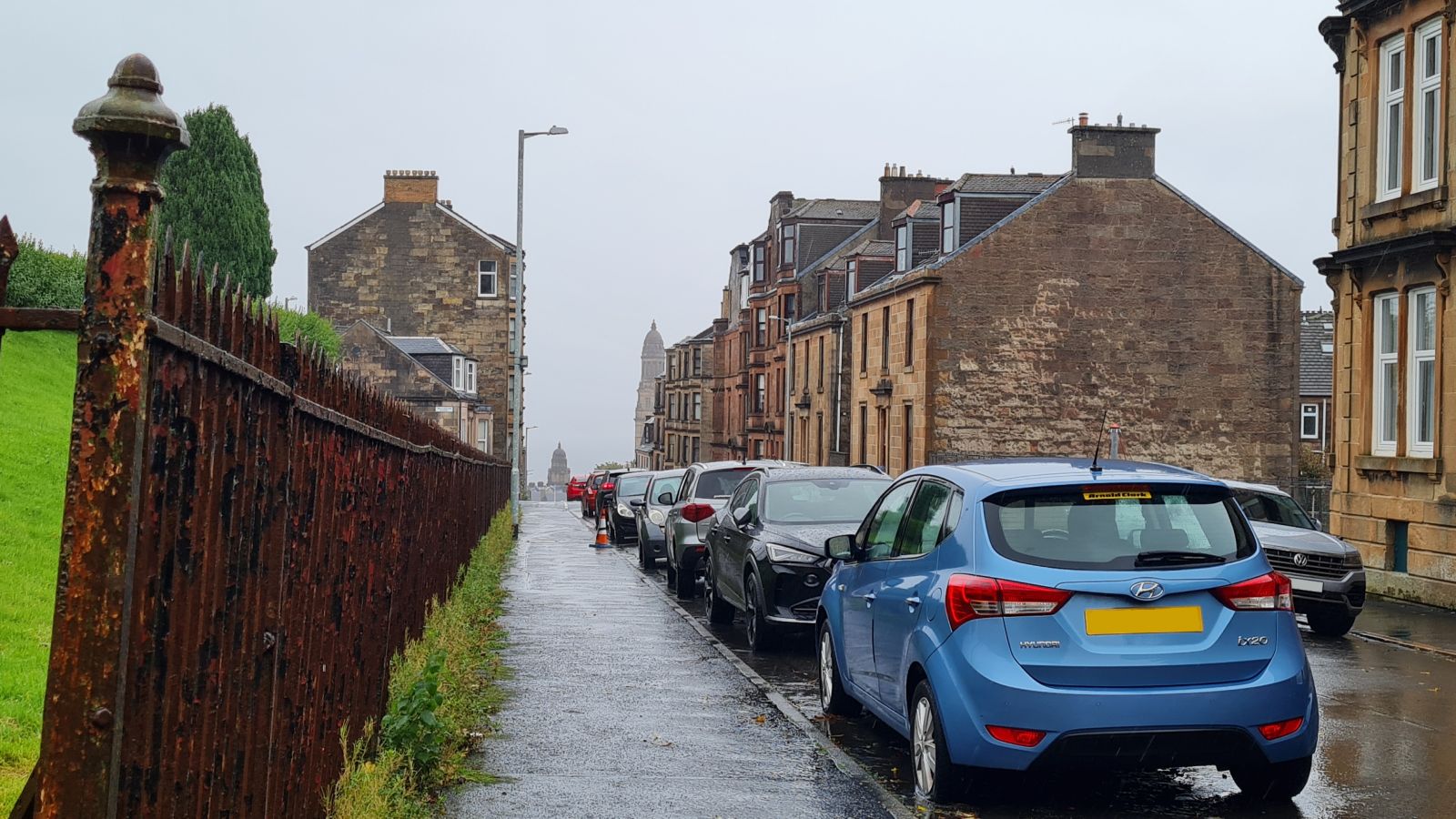
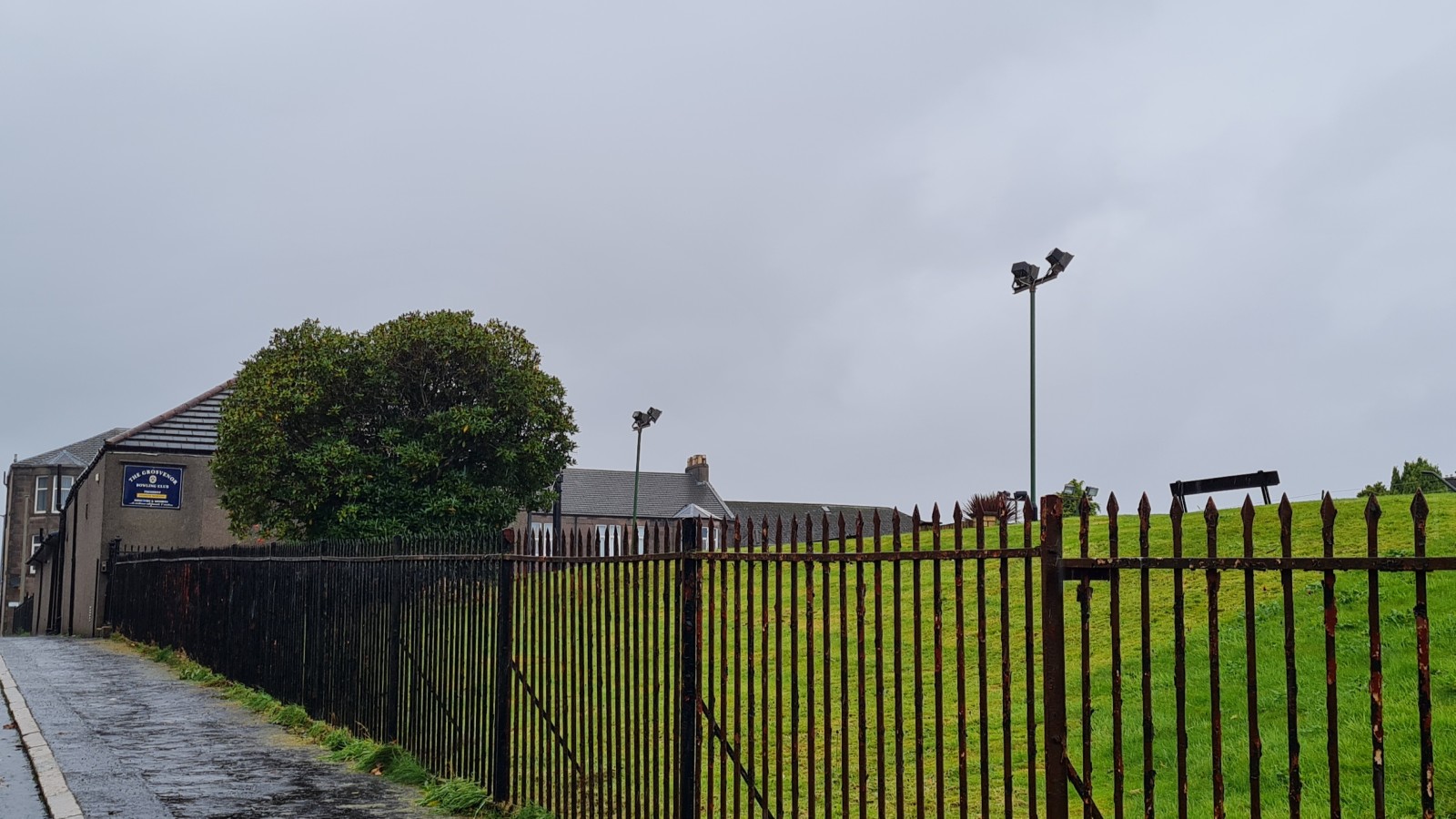
I also observed that there was a bowling club just across from the cottage – the Grosvenor Bowling Club – which was established in 1855 (shown in photos 4-6). This made me wonder if our family was involved in the club because my grandpa Keith was always a very keen bowler so maybe this interest was passed down through the generations.
Records show that the family lived in Inverkip Street, Bruce Street and Roxburgh Street, closer to the north end of Bank Street, prior to moving to Mount Park Cottage. However this area was redeveloped for the trainline and station in the late 1800s, so these homes would be long gone.
Family history often raises more questions than it answers, but it was a great feeling to walk down the street that I know my ancestors definitely walked down before they made the decision to move to the other side of the world to start a new life. A decision that not only changed their lives forever, but also set the course of our lives in the future.
View southern end of Bank Street, Greenock on Google maps