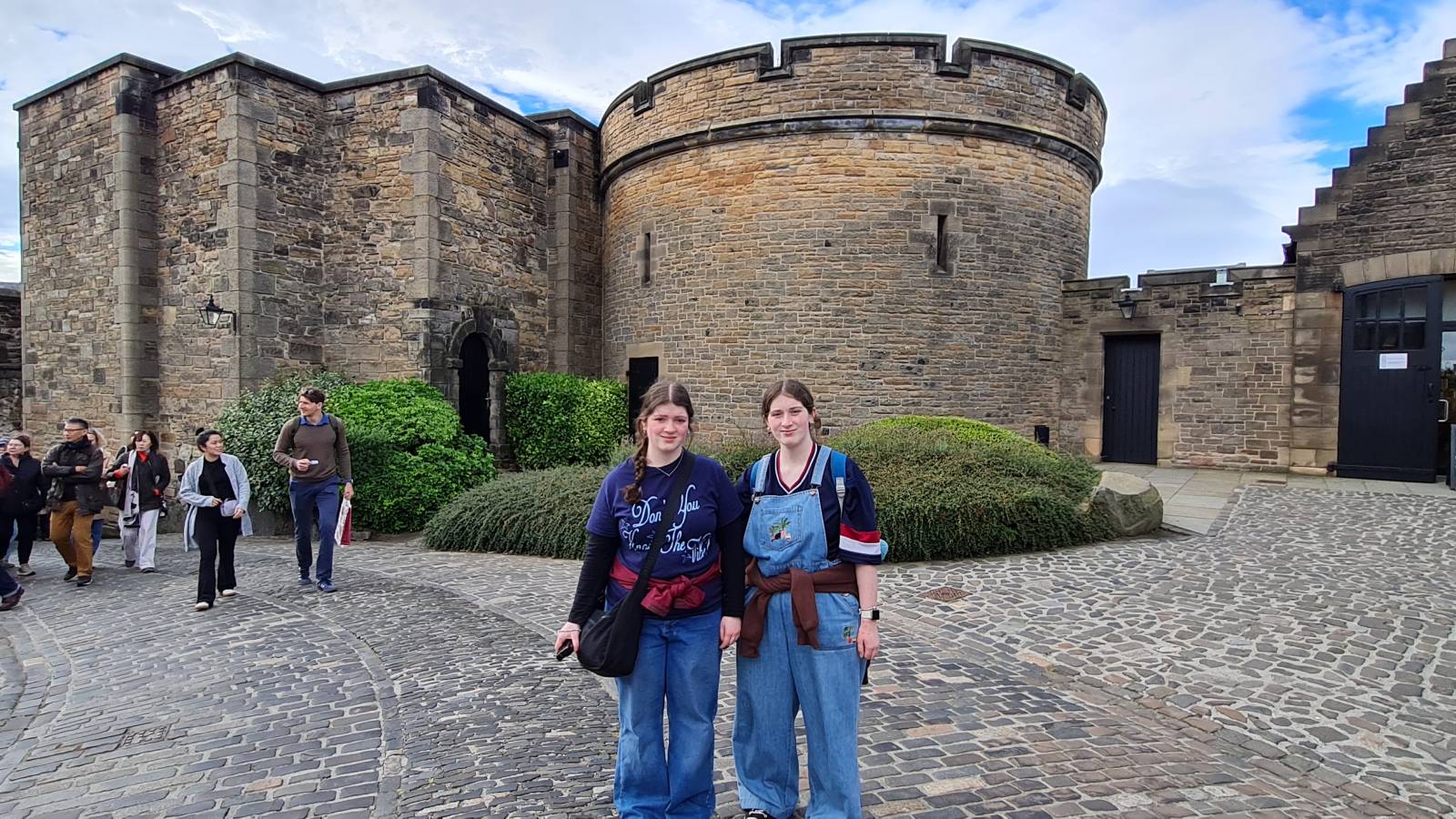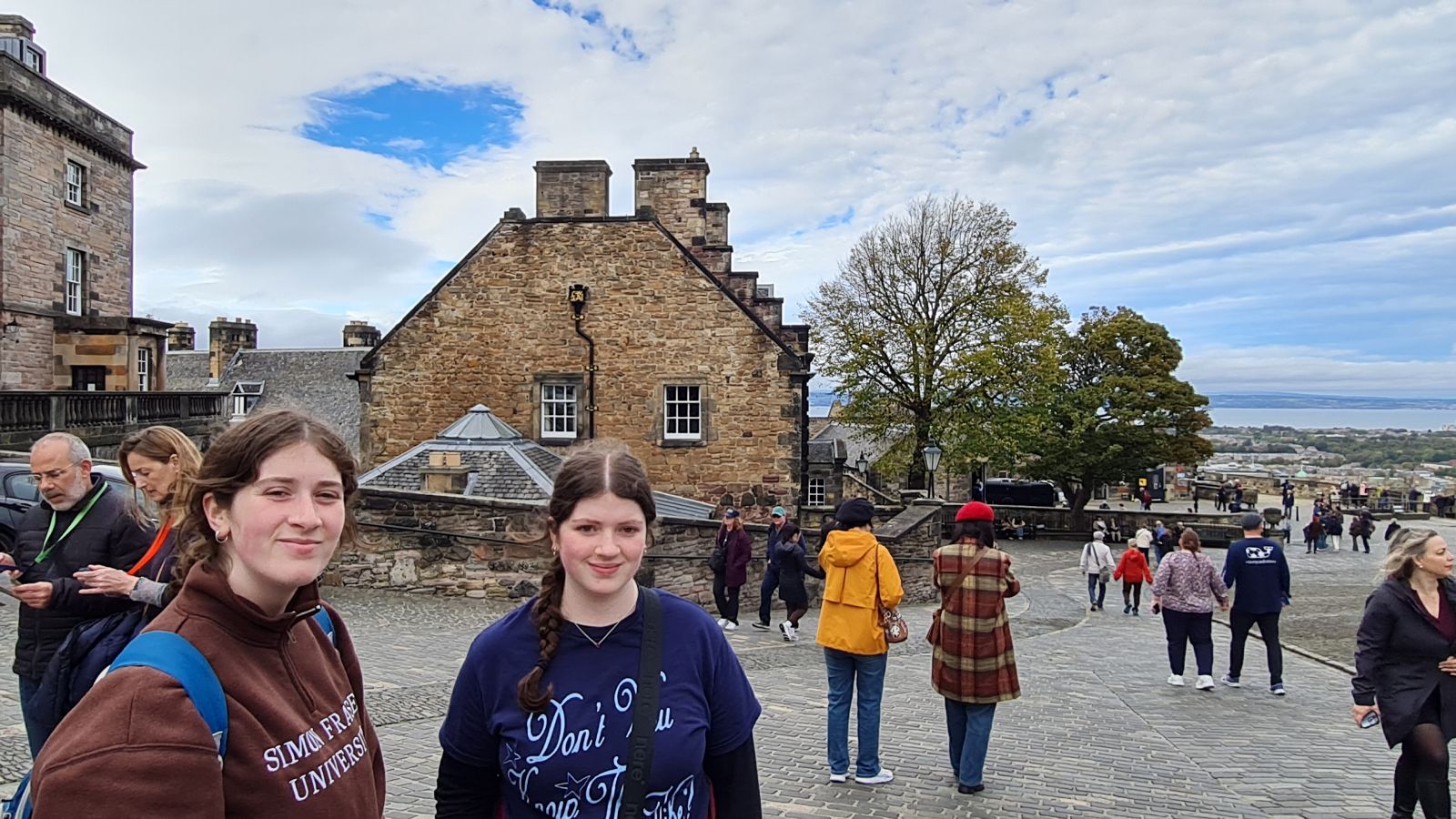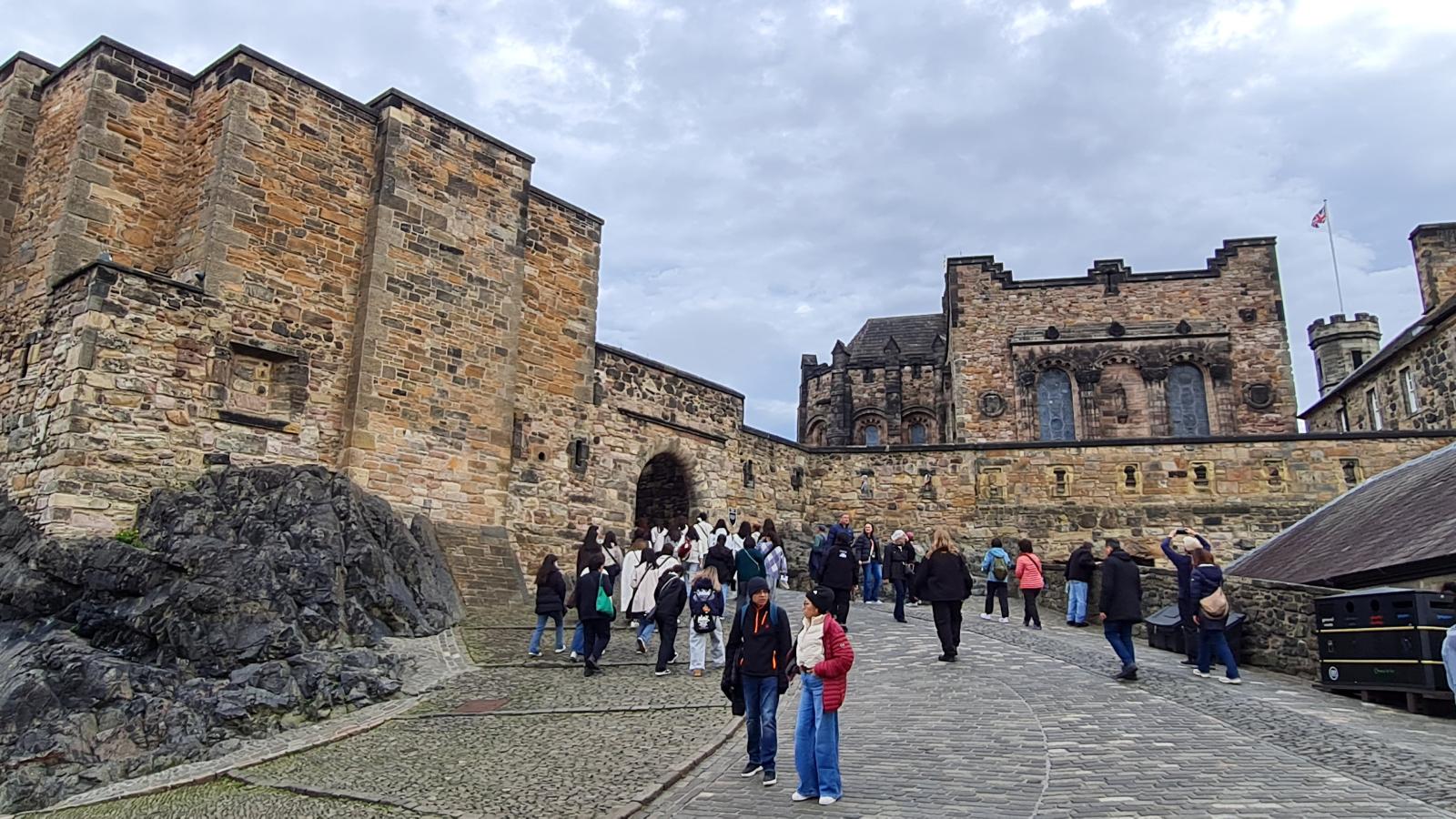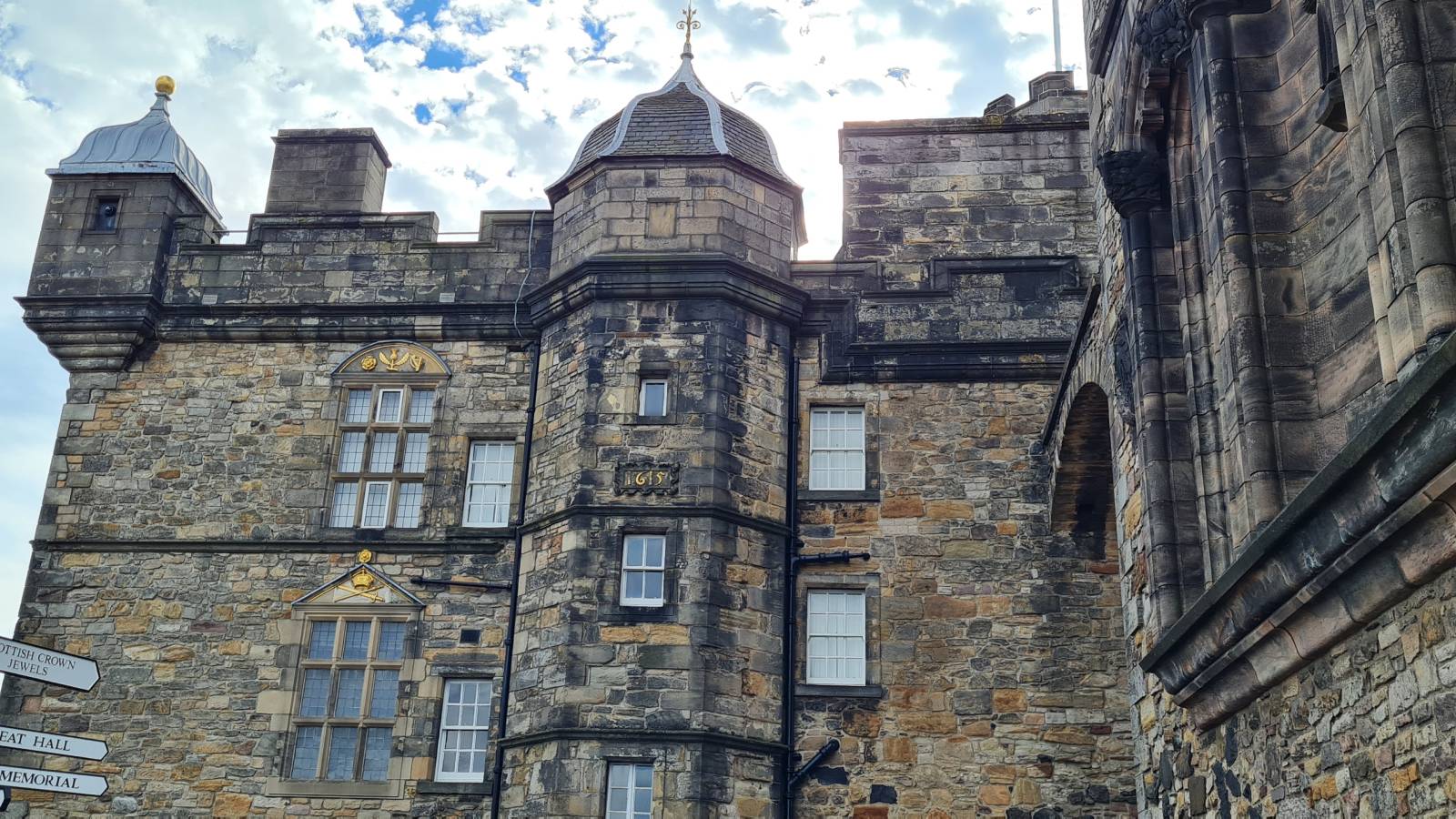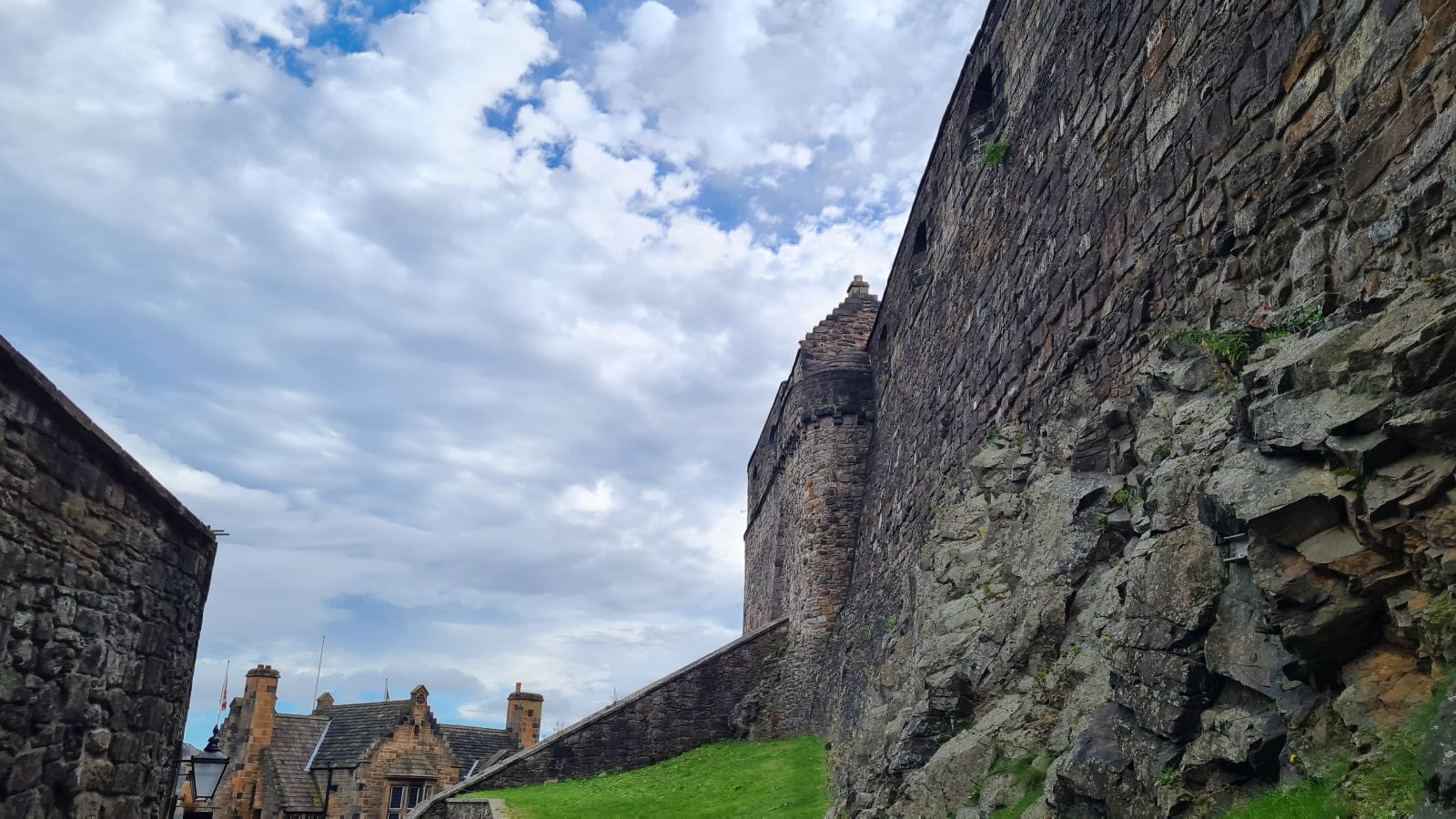
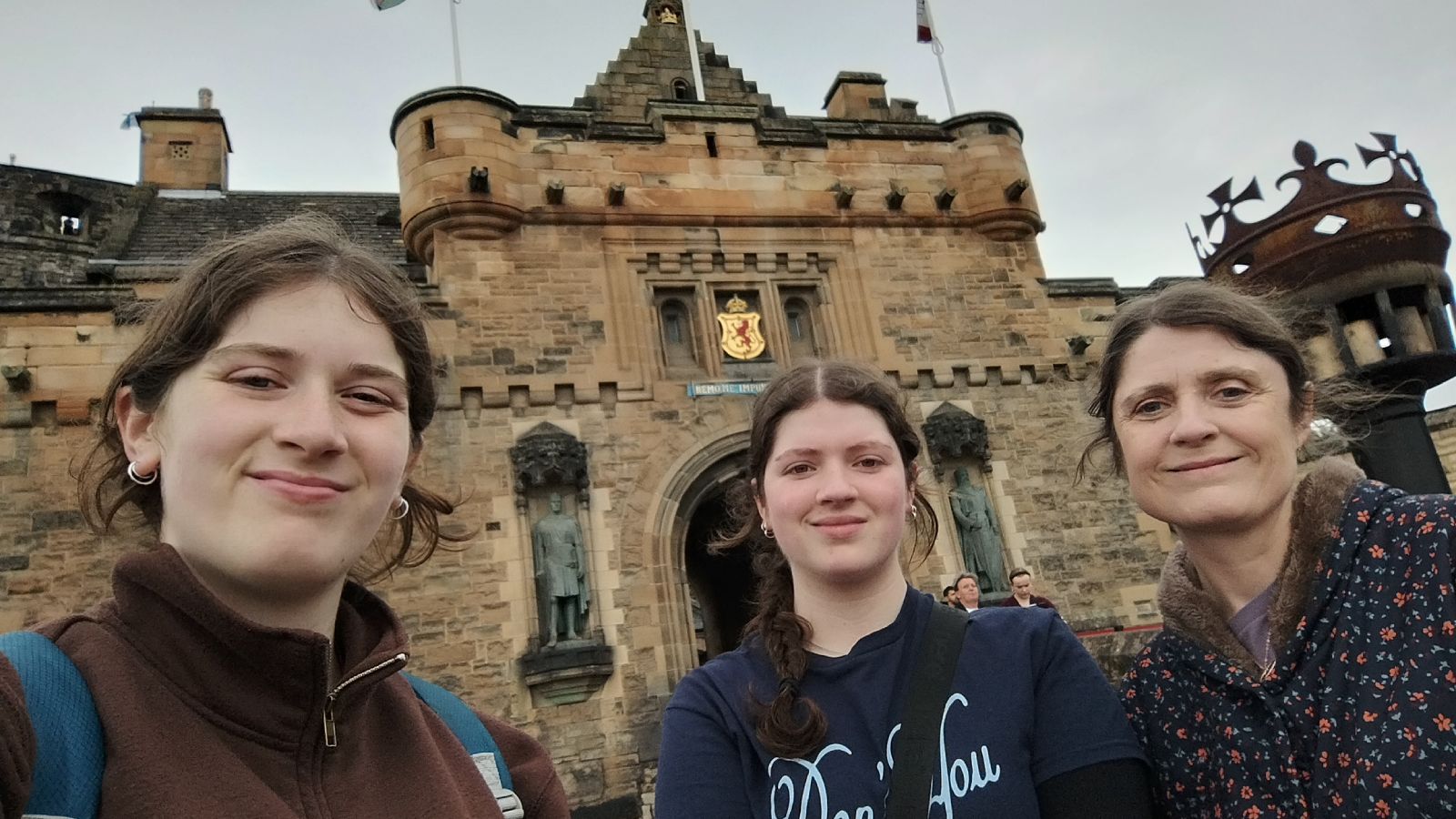
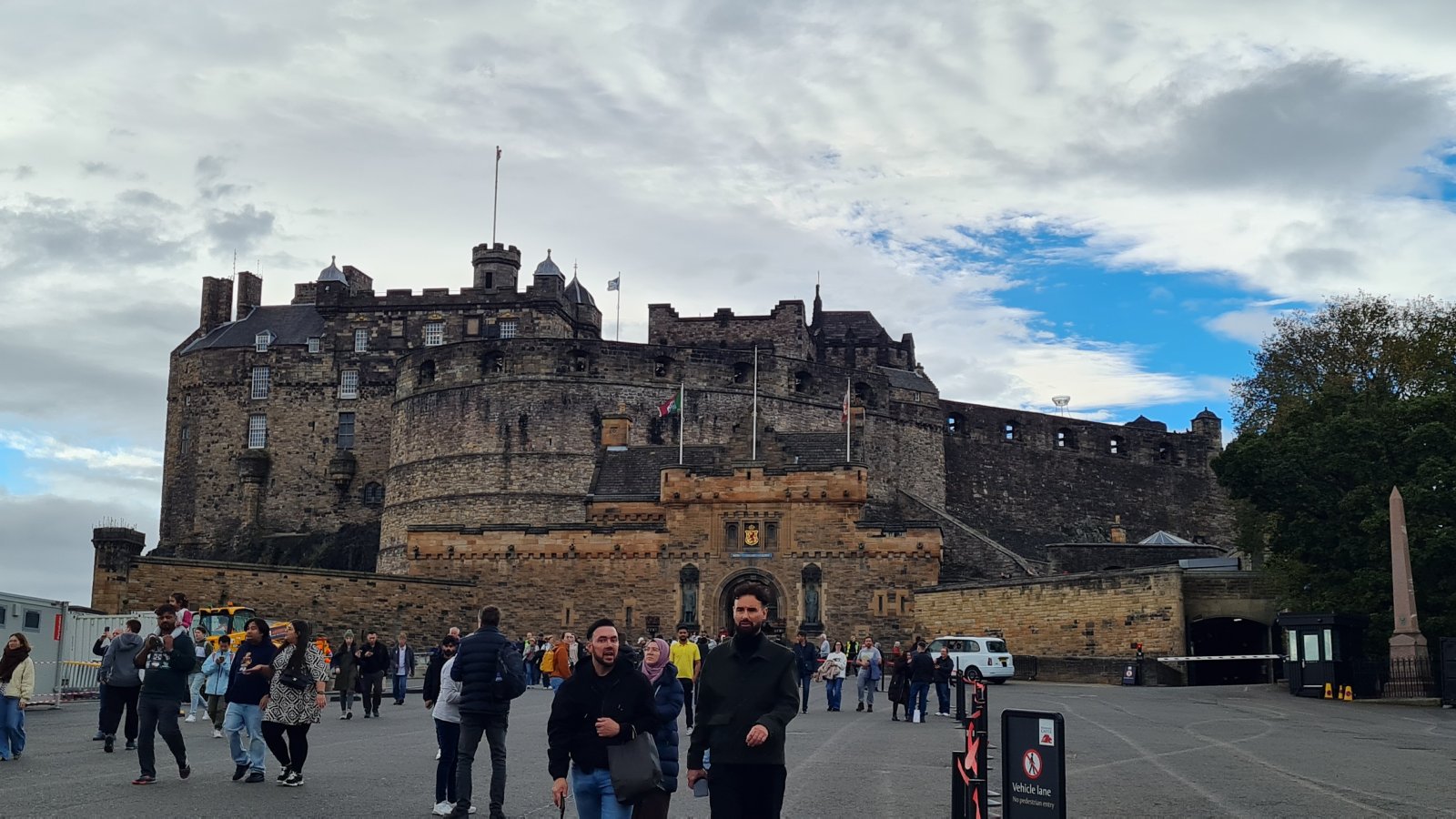
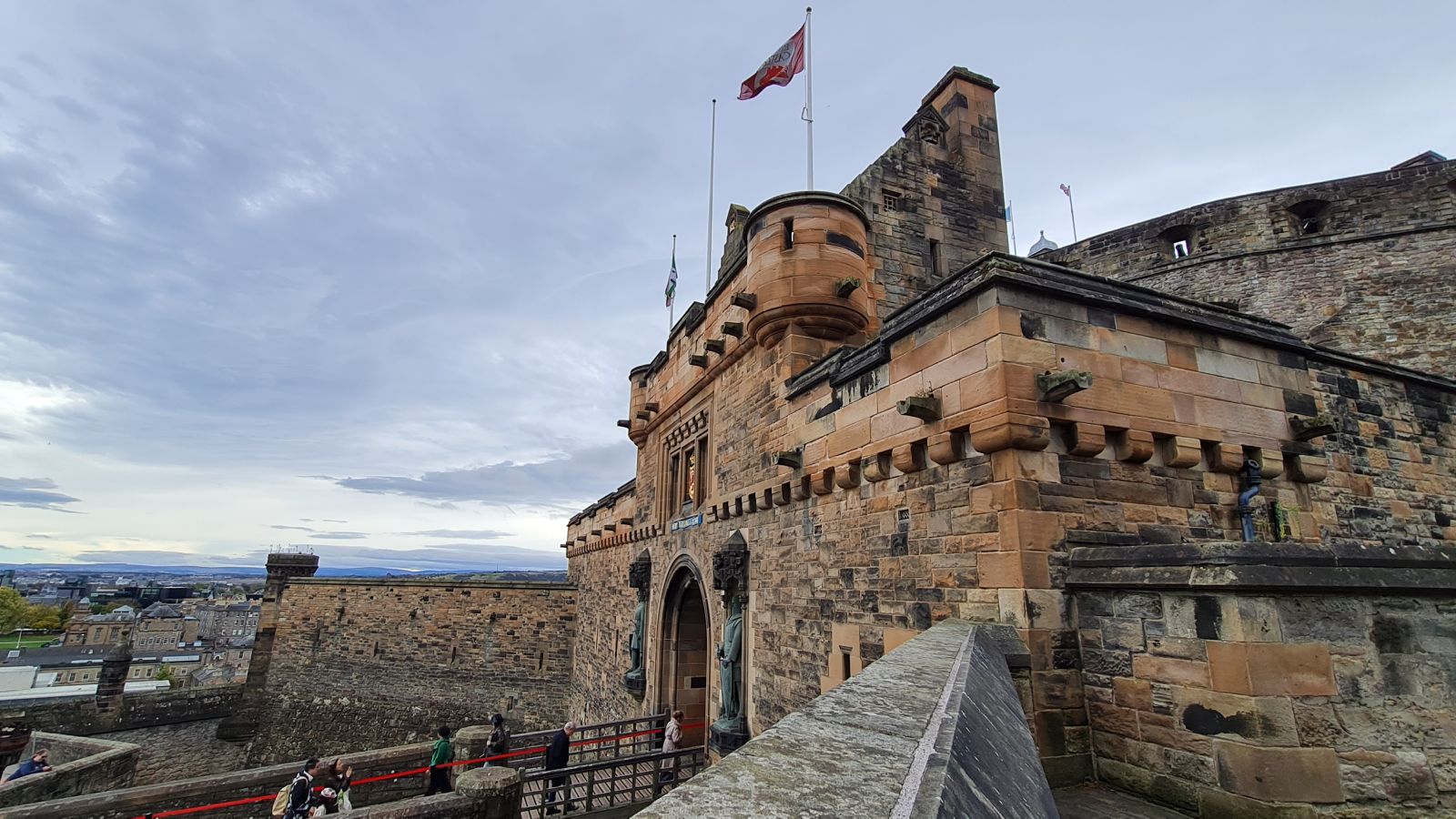
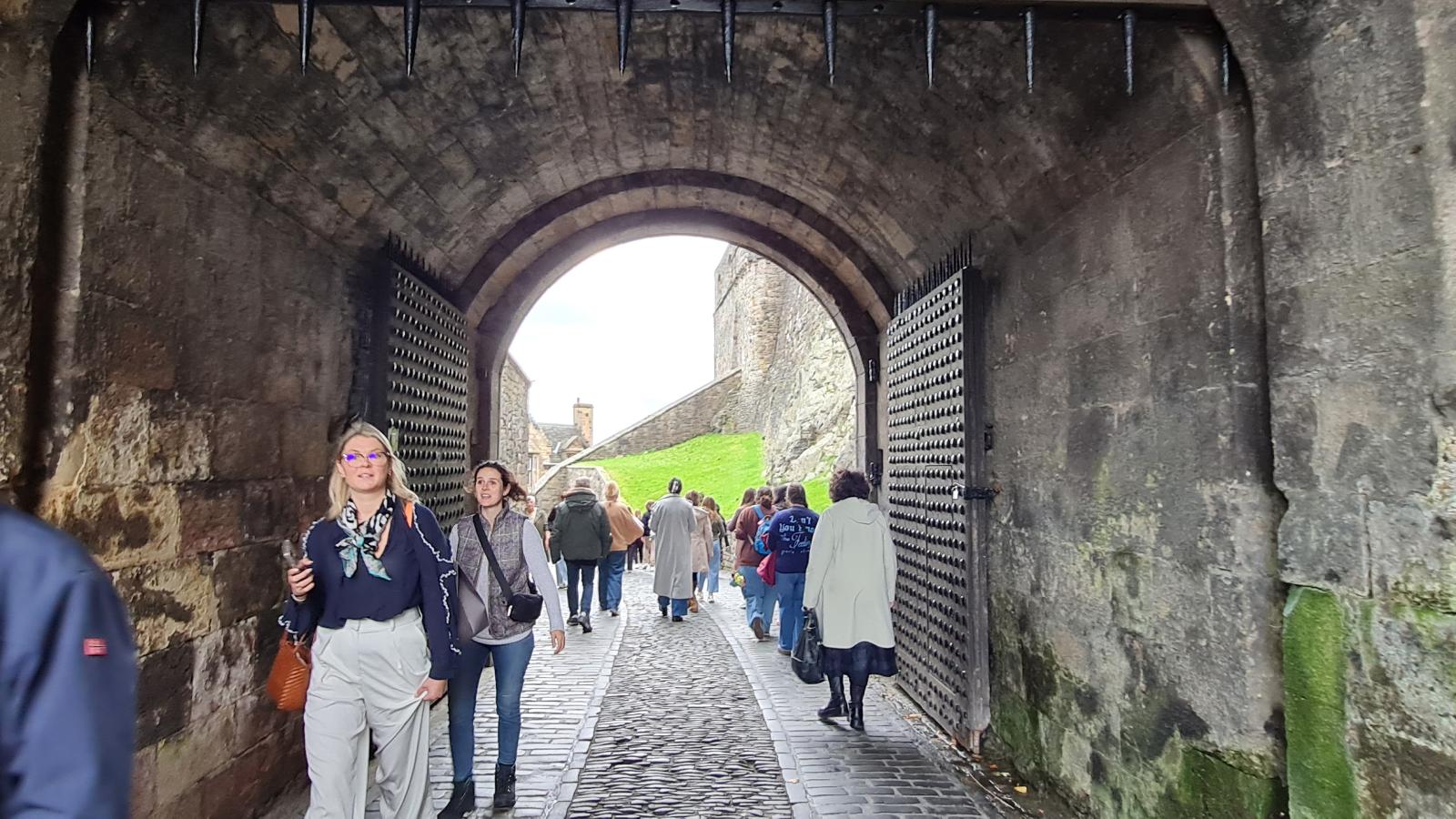
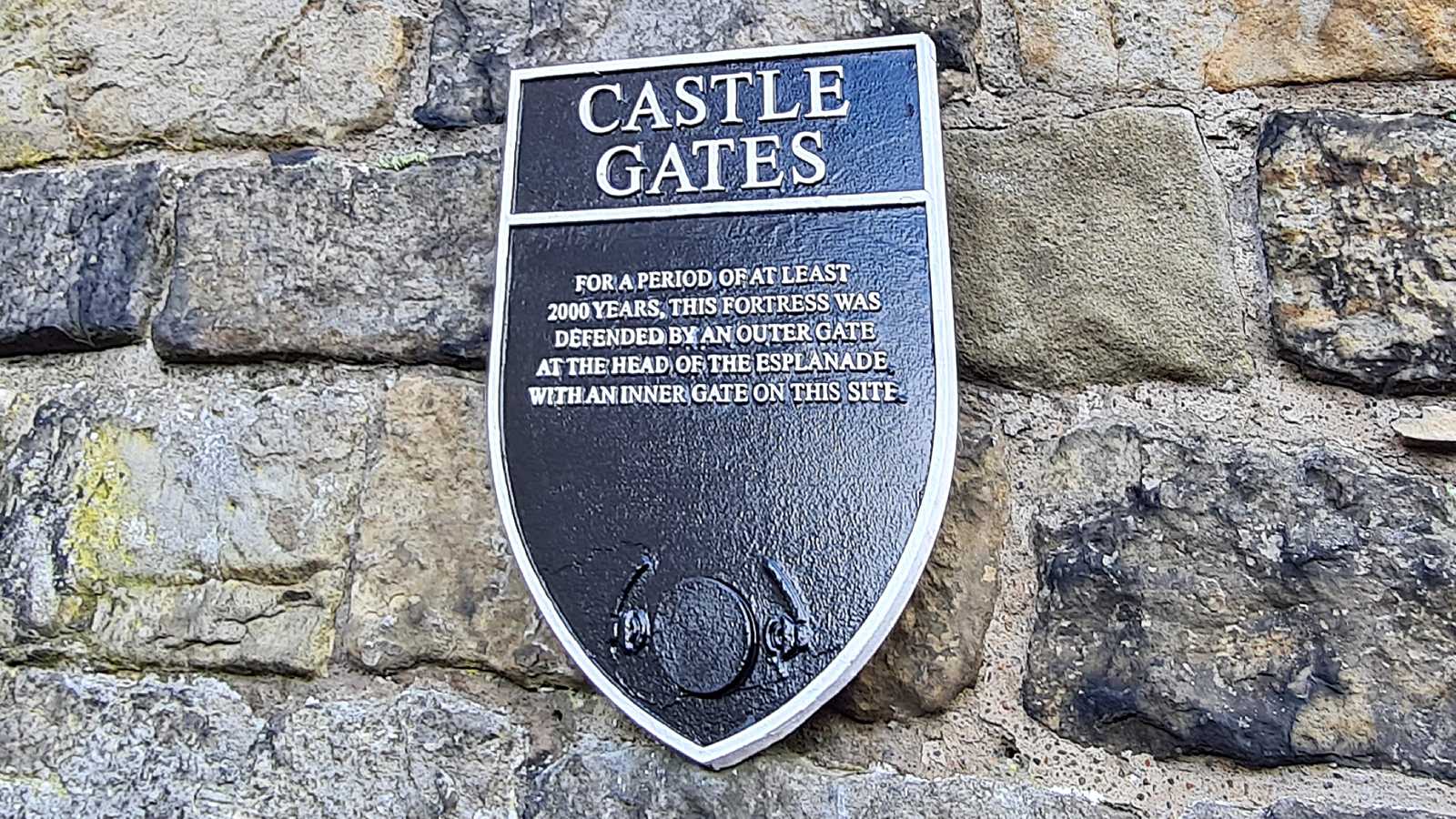
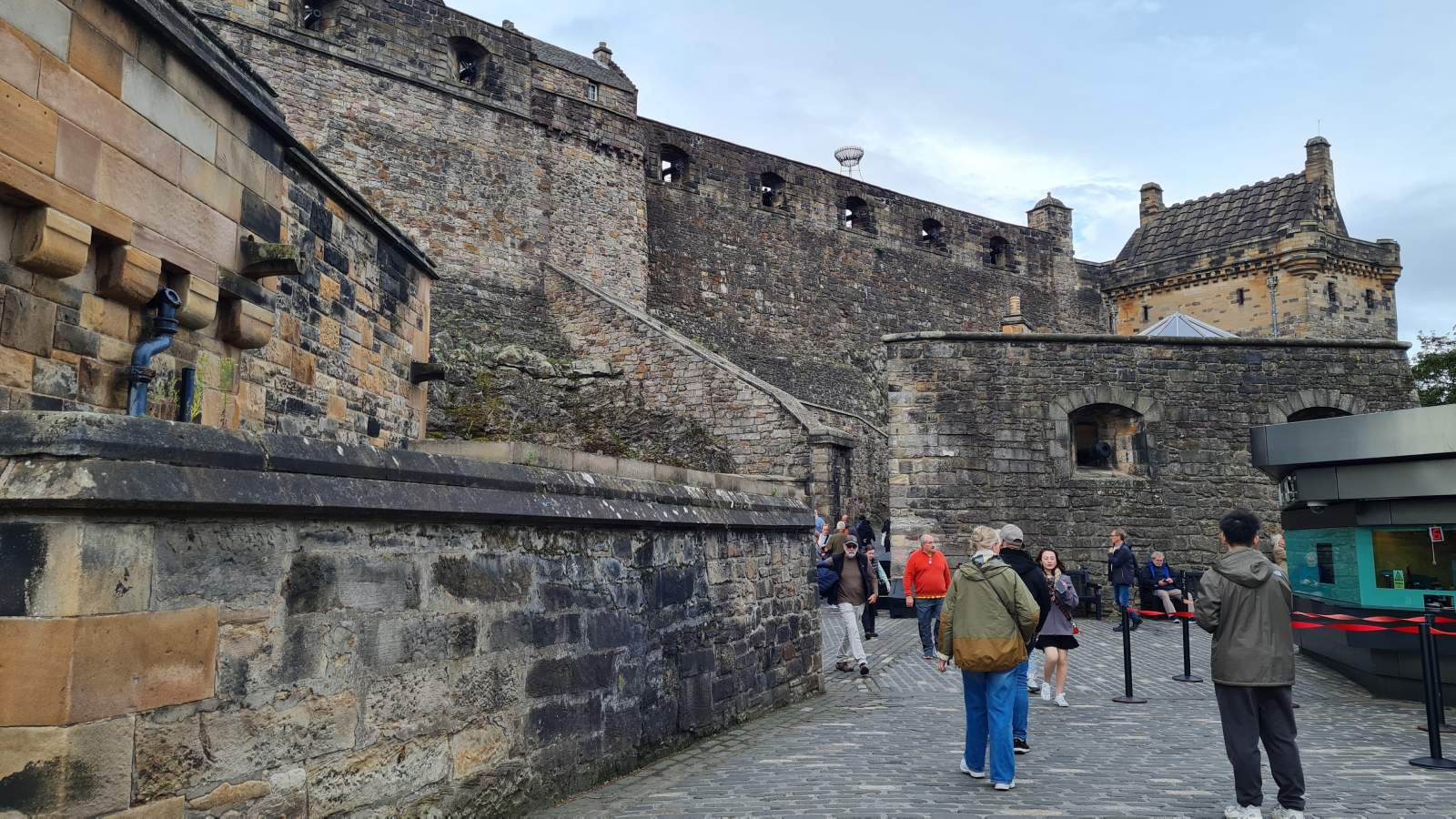
Edinburgh Castle was our first stop on our day out in Edinburgh. I had wanted to visit here for a long time so it was exciting to finally arrive! At first we were surprised at how busy the castle was for a Monday, but realised this was because it had been closed on the Saturday due to Storm Amy.
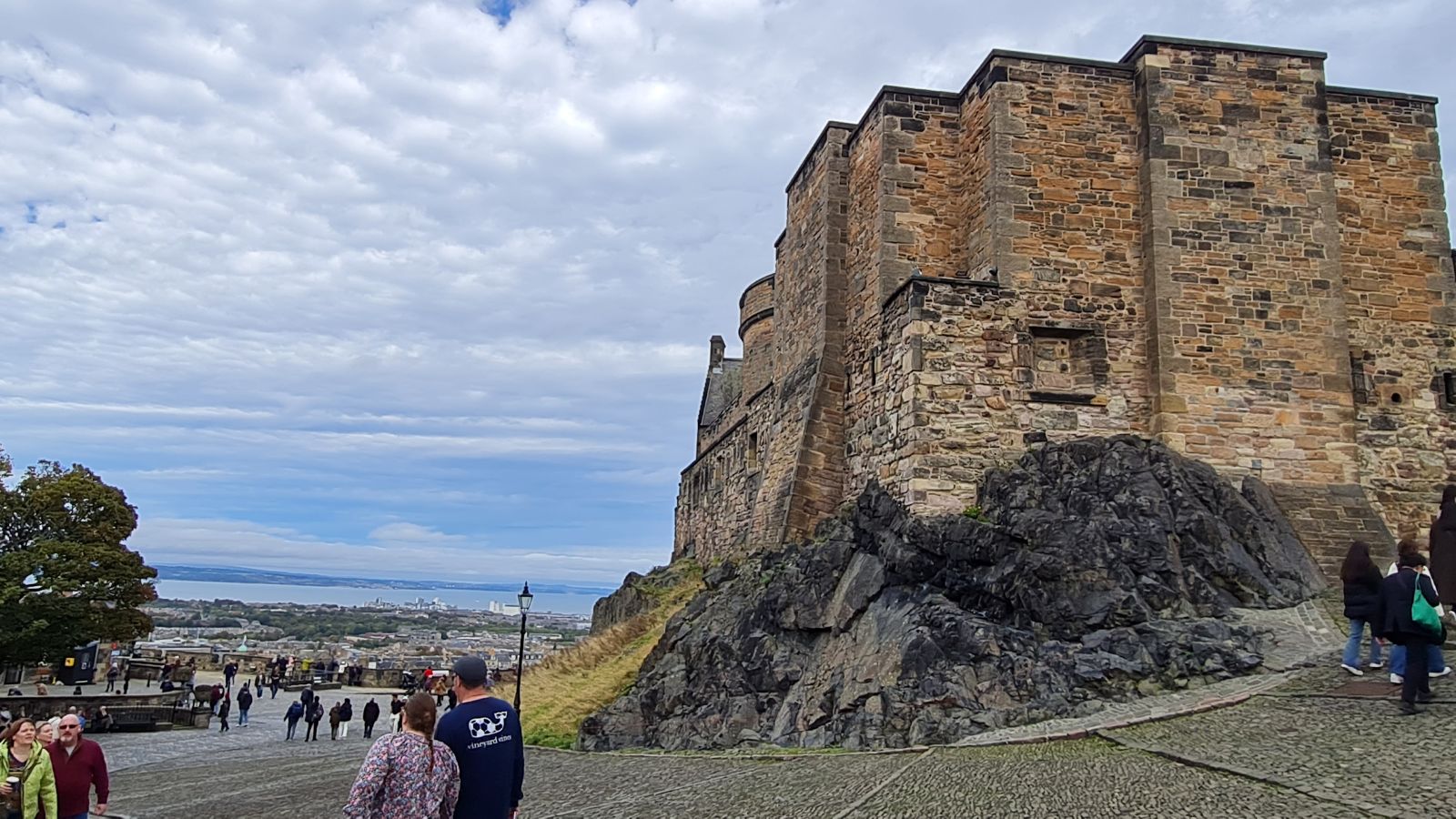
The castle sits on top of Castle Rock, the plug of a 340,000 year old volcano. At 130 metres high, it was a fair climb up steep hills and staircases, but totally worth it! The site has been occupied for almost 3,000 years, and the castle itself is over 900 years old. It has officially been under attack no less than 23 times – no wonder there is such a focus on military history here.
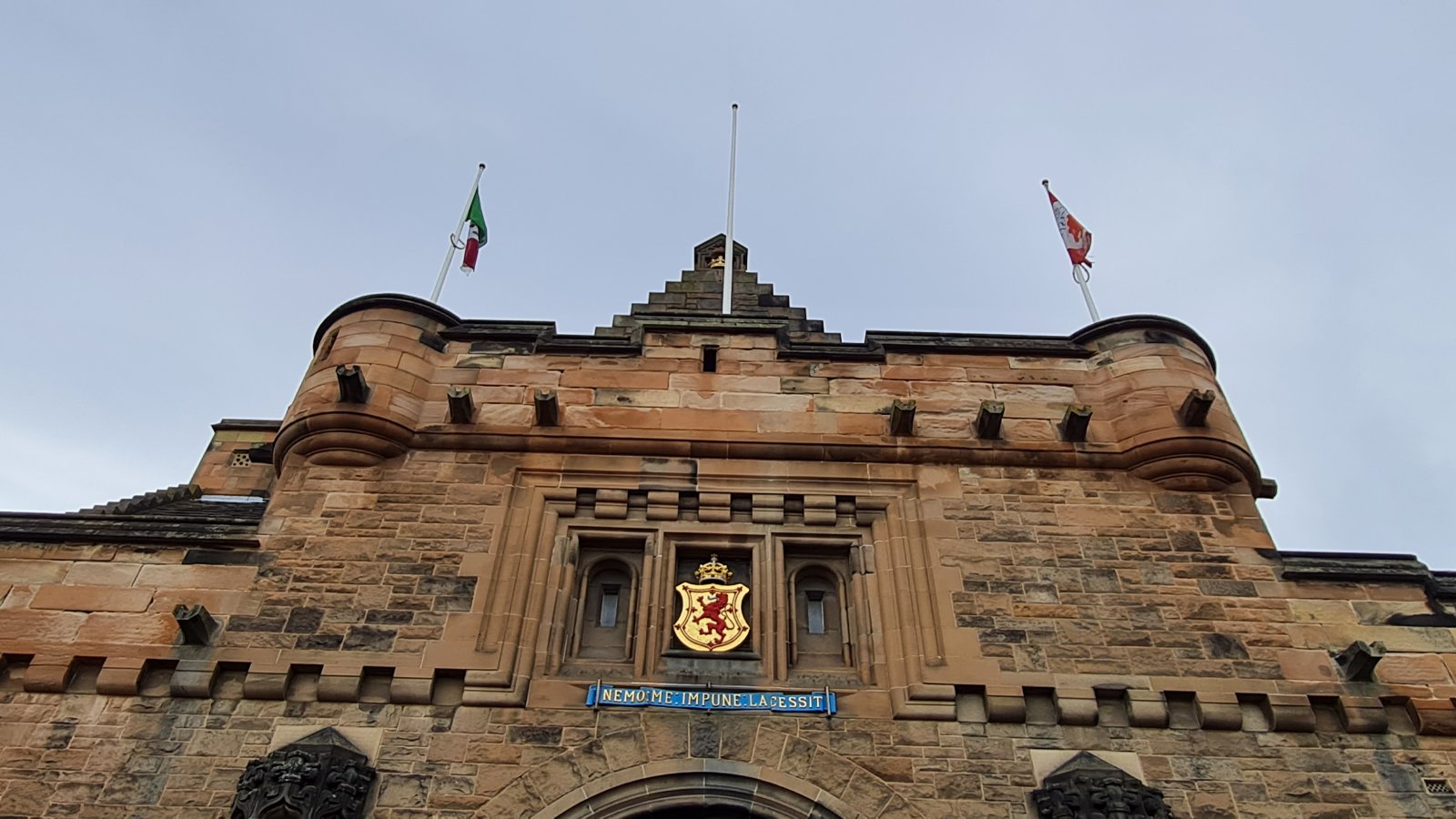
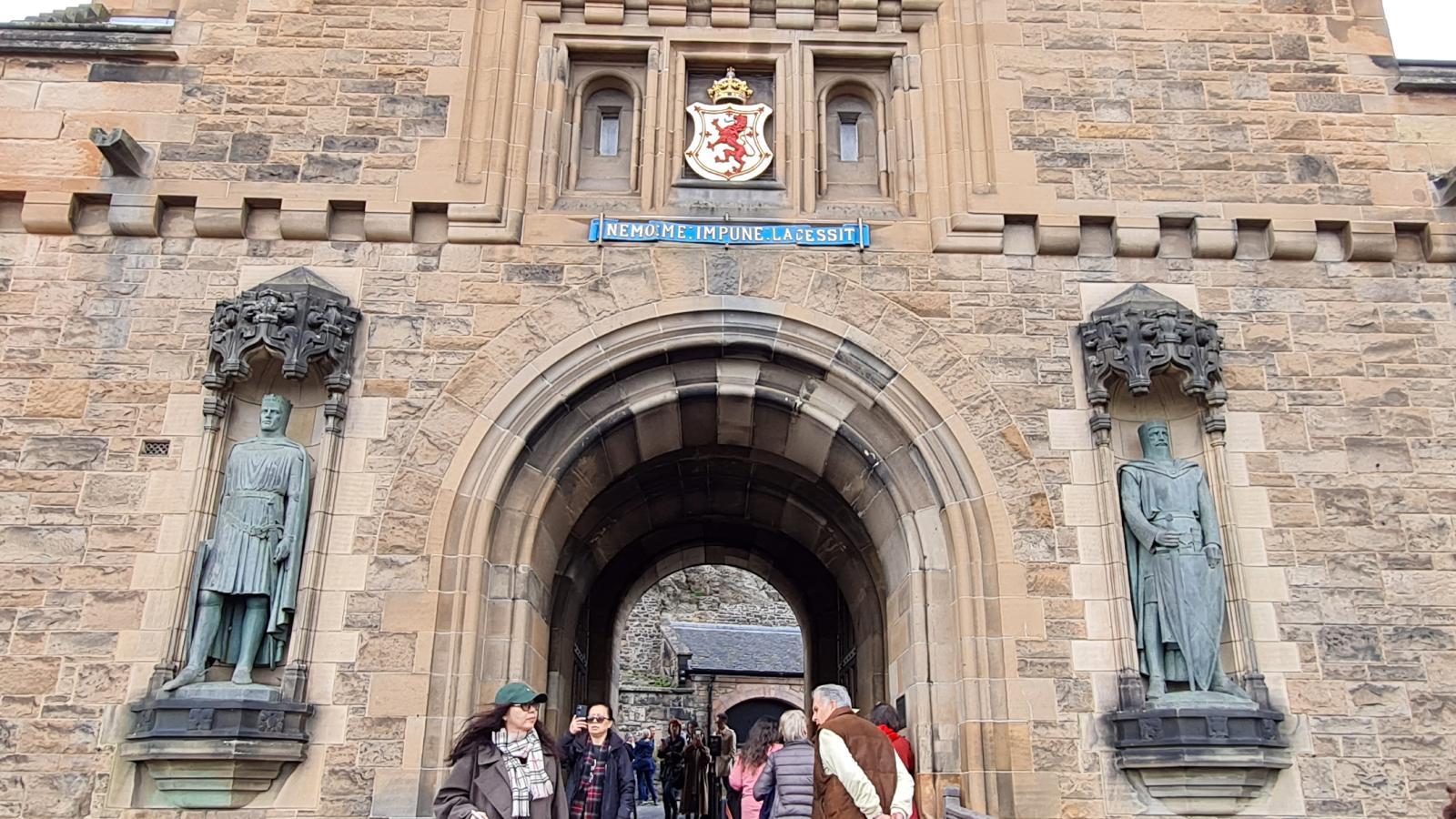
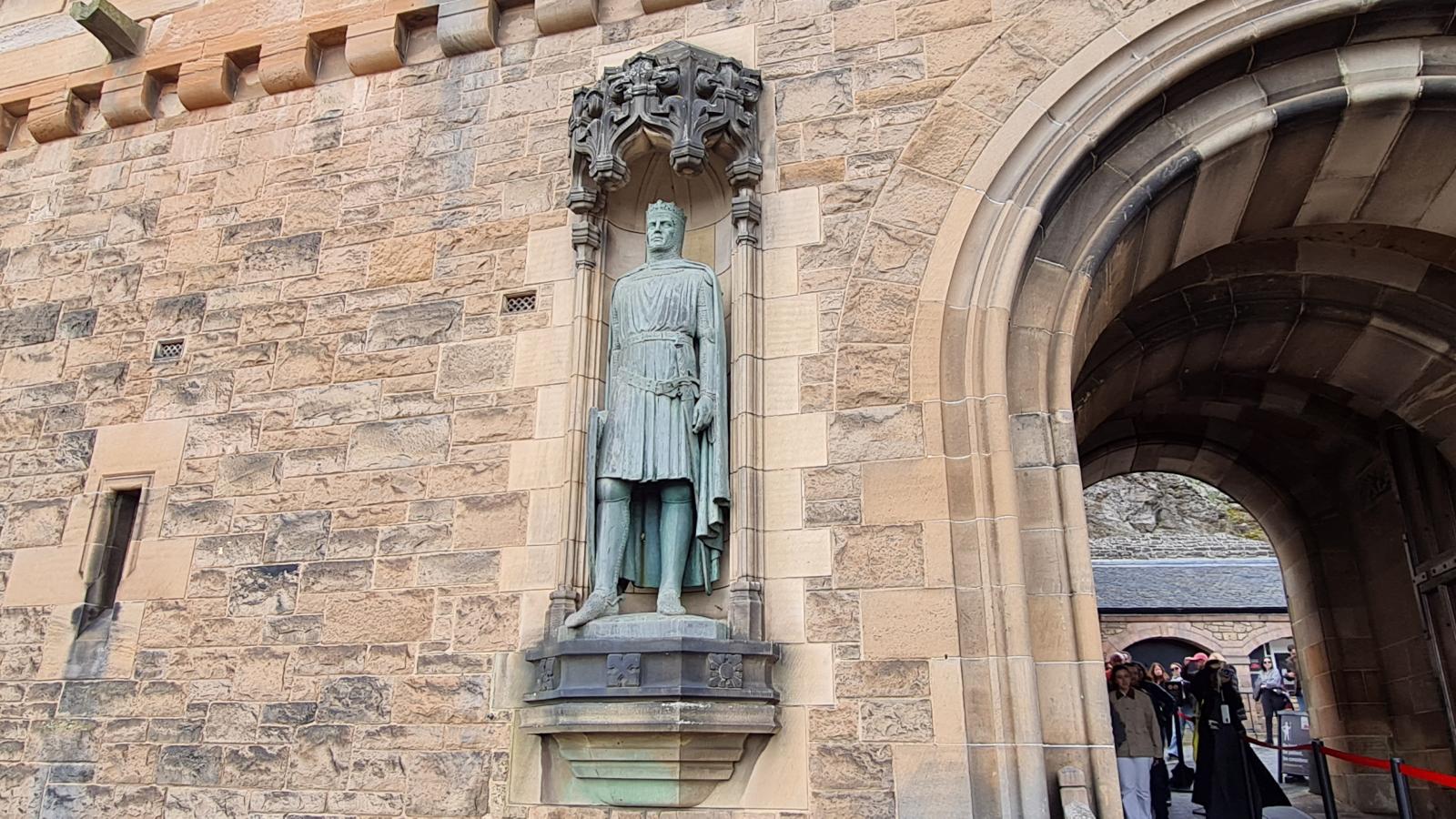
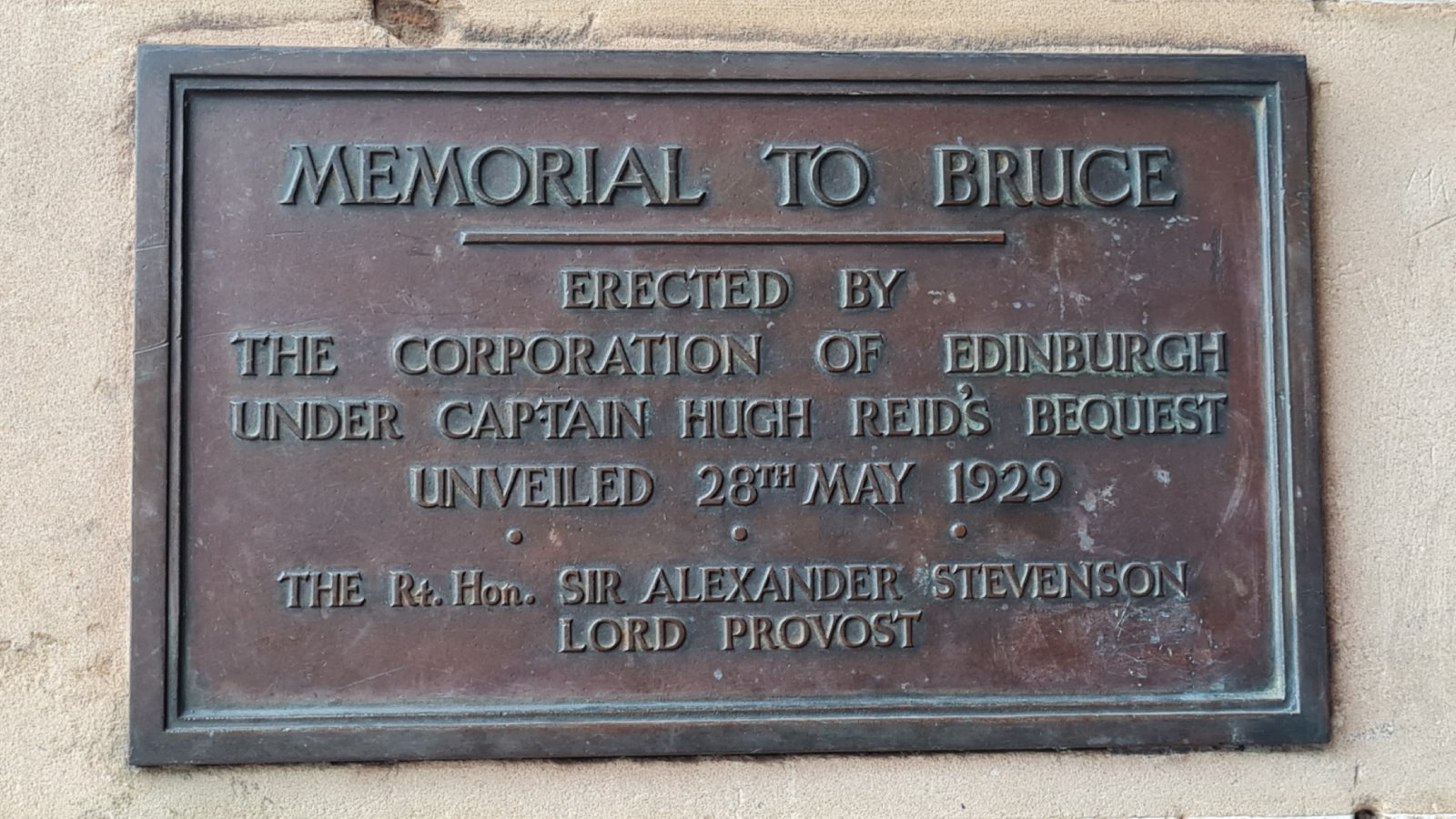
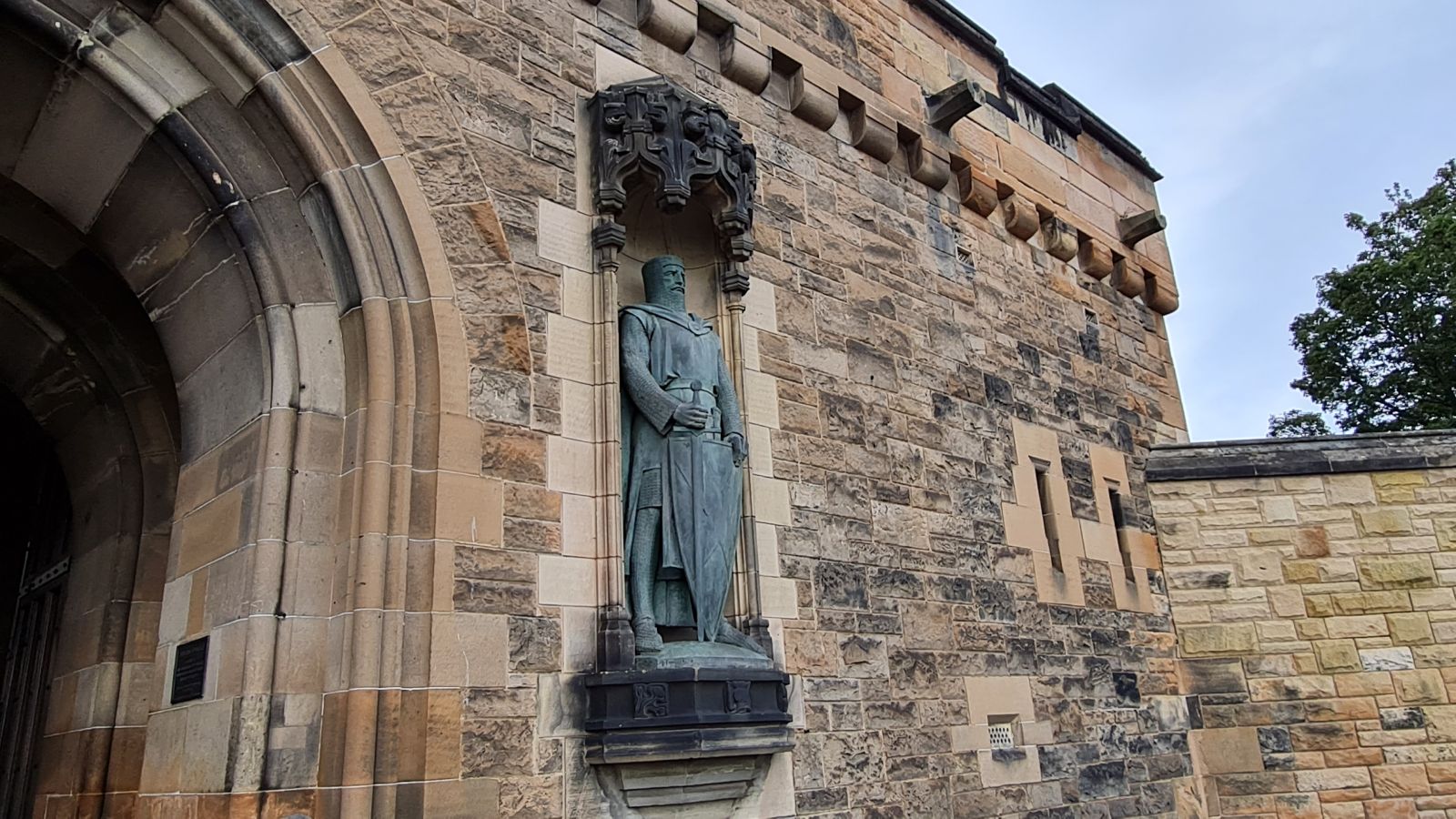
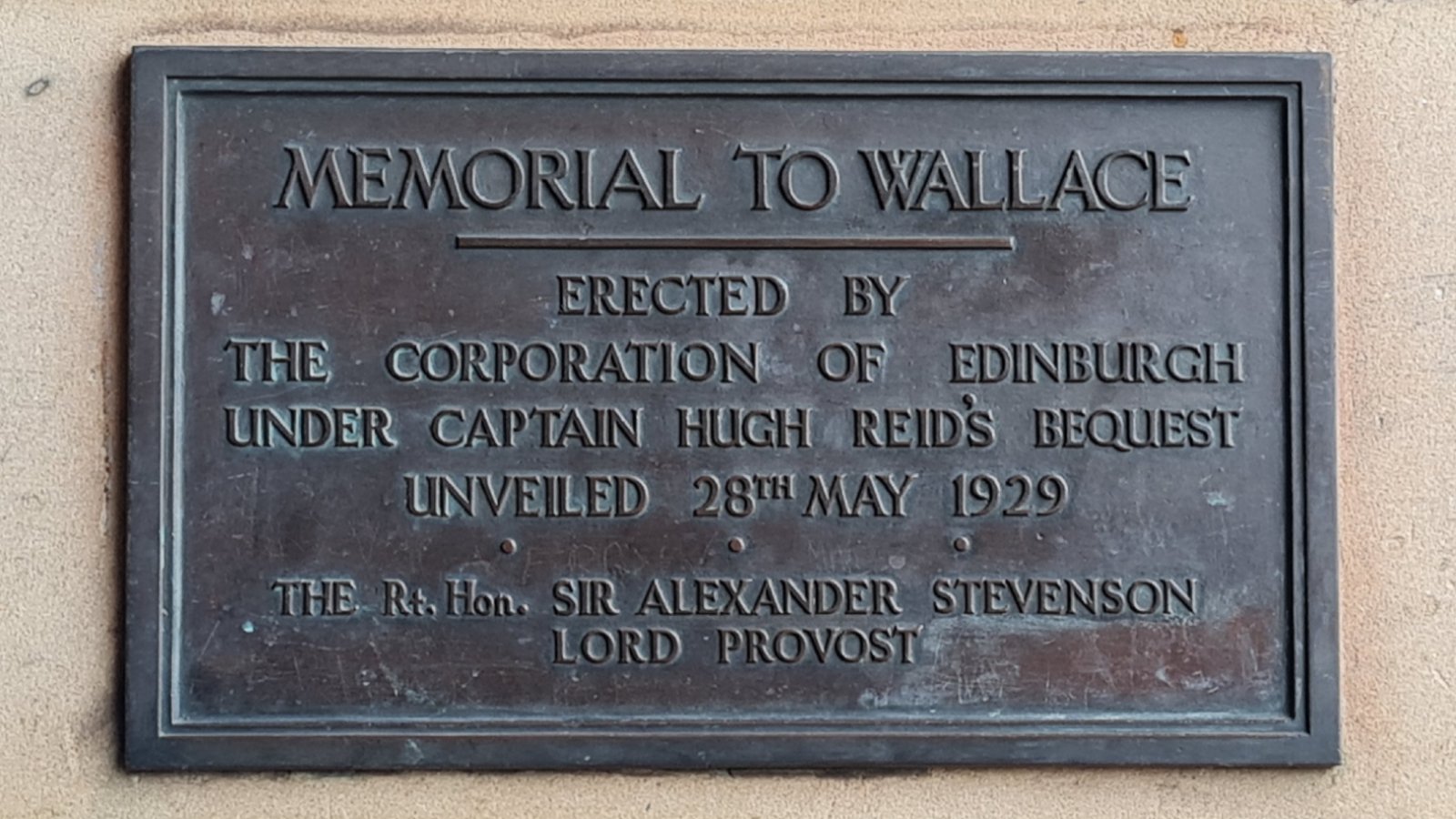
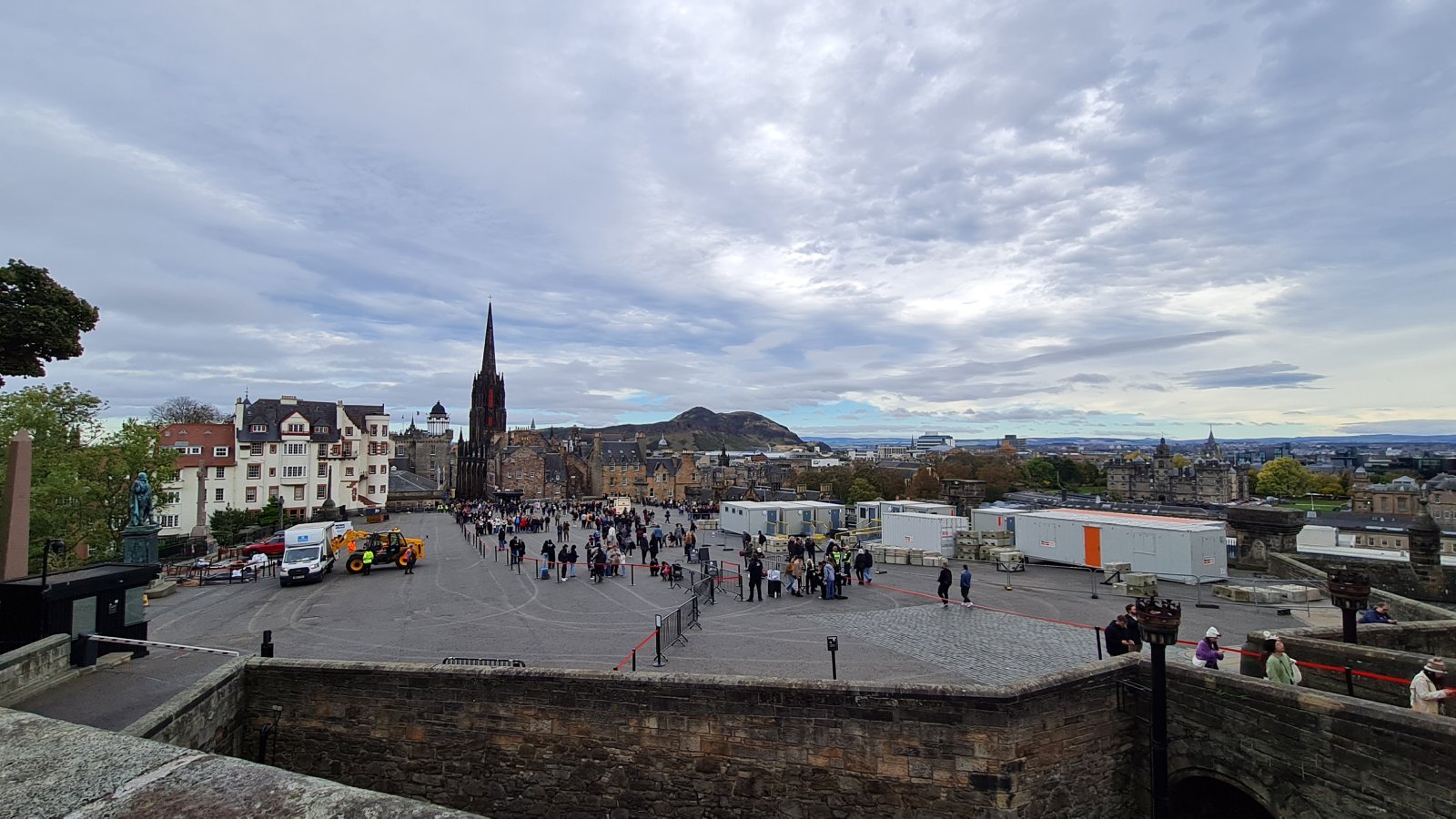
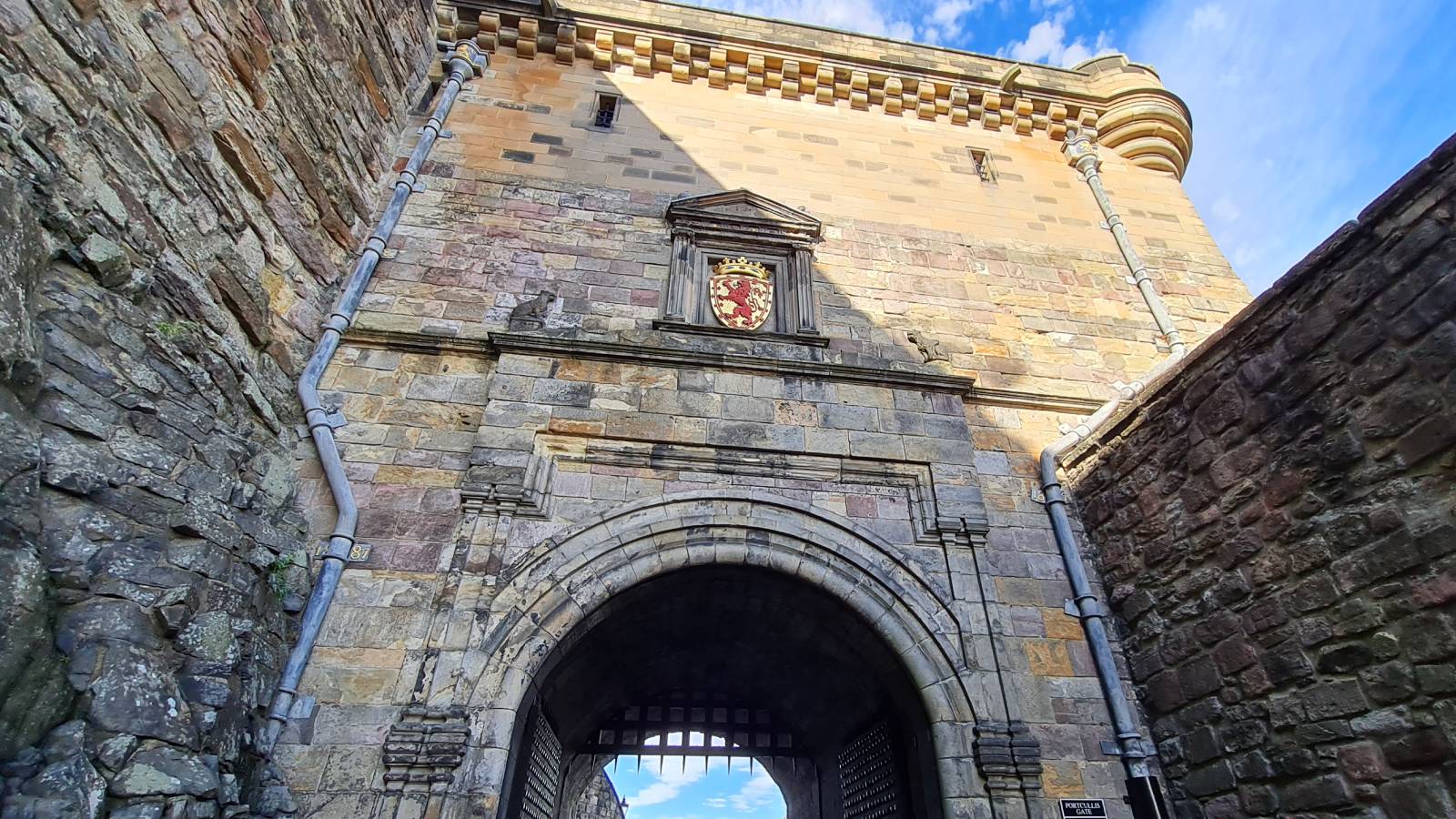
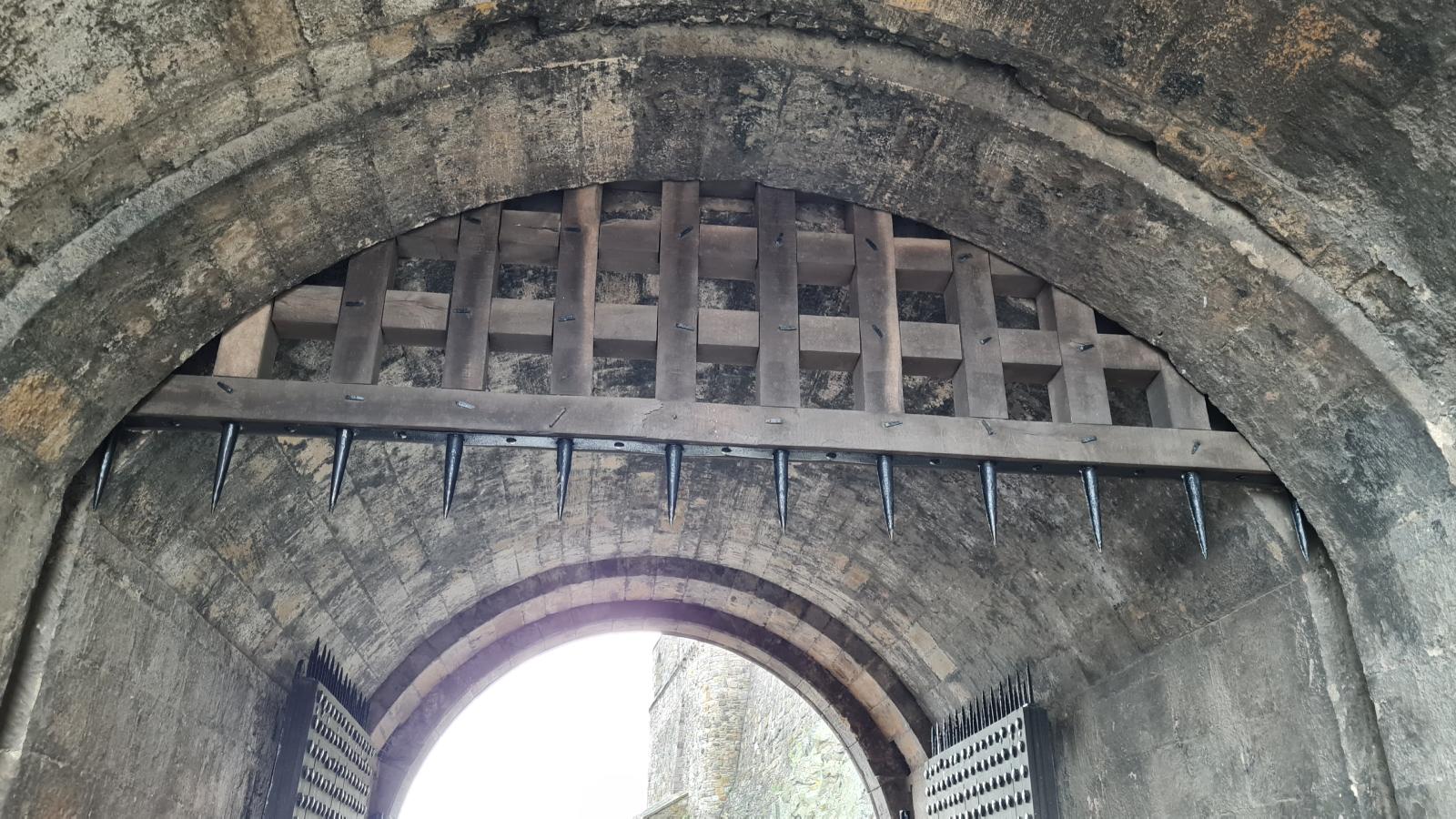
We were welcomed at the gate by bronze statues of King Robert the Bruce and Scottish warrior William Wallace (photos 4-8 above). You can read more about them both from our visit to Bannockburn, Stirling Castle, Denny and Dunipace. The above gallery shows the entrance and the parade grounds where the Royal Edinburgh Military Tattoo is held annually in August. Ironically we visited the castle on 6 October which is my Pop’s birthday – as a life-long brass band member he loved the tattoo and would watch it every year on TV.
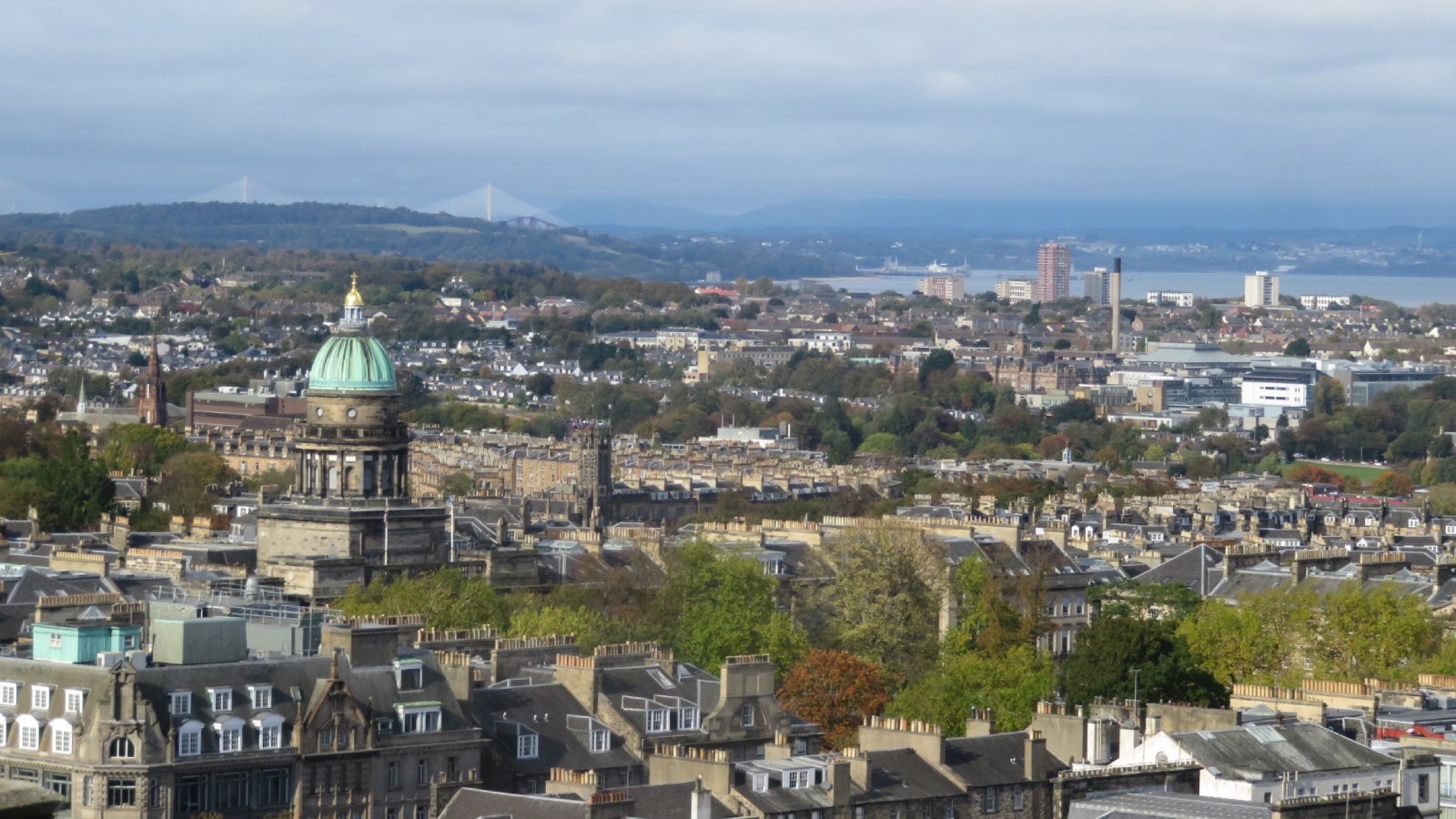
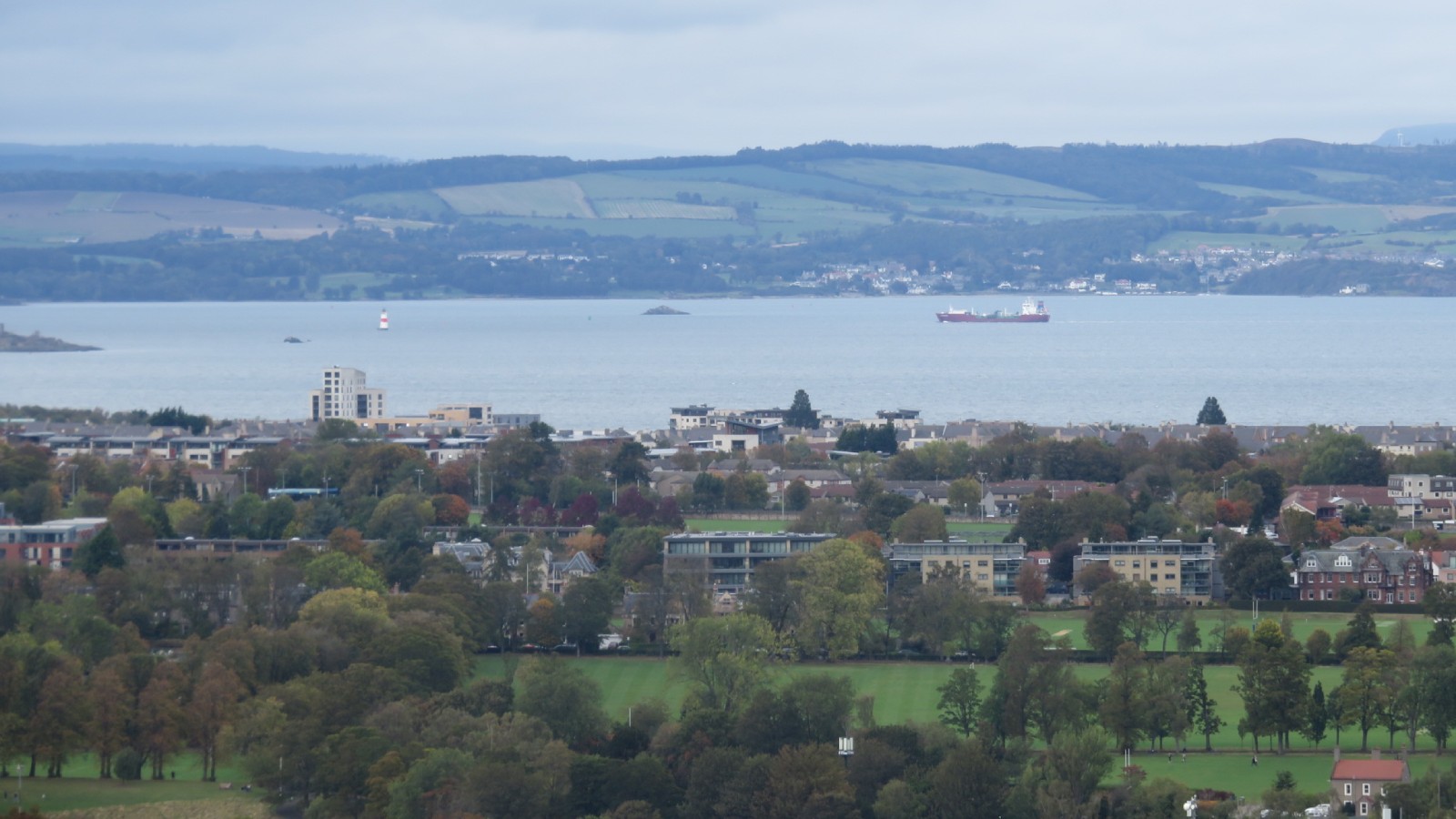
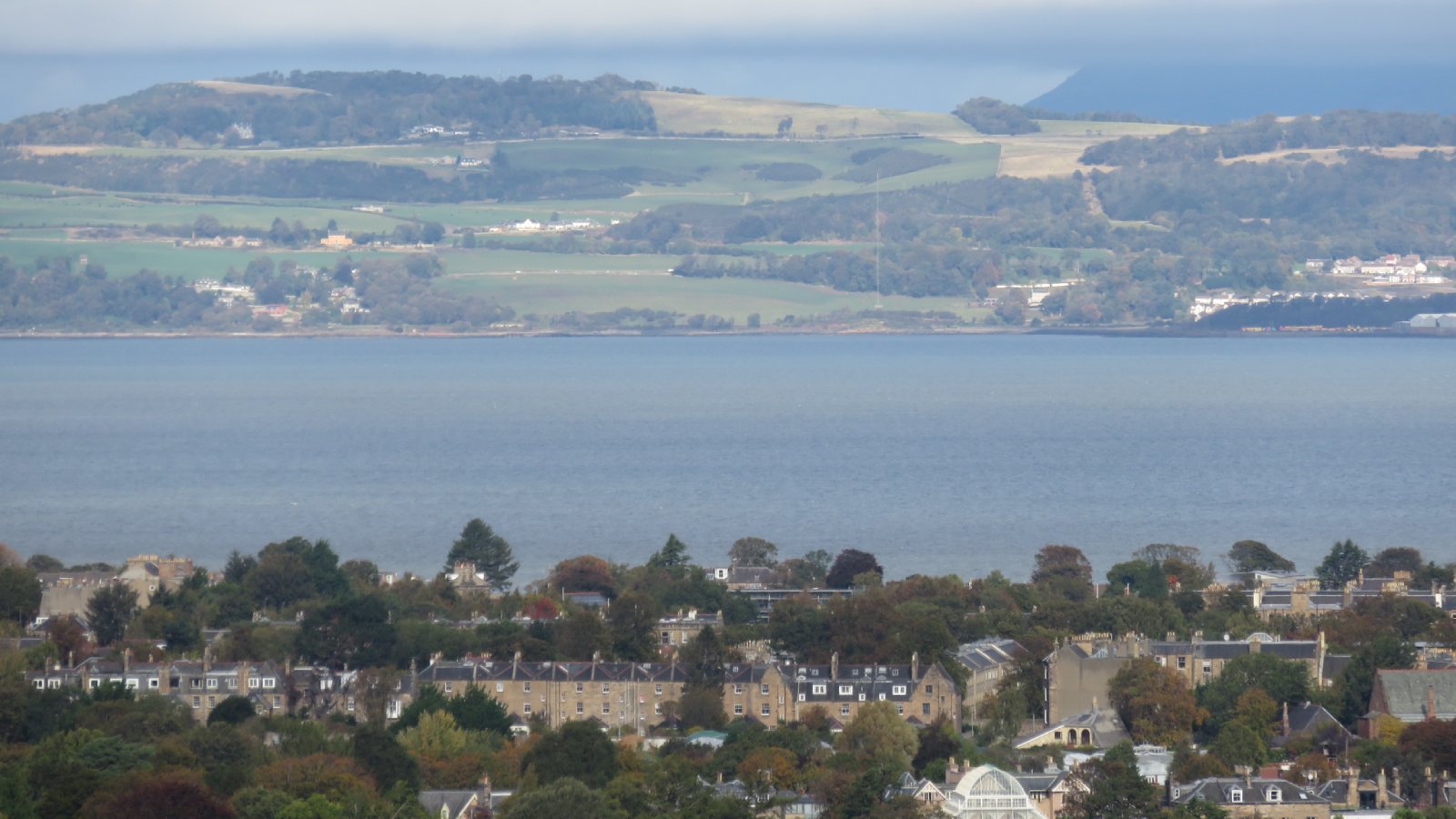
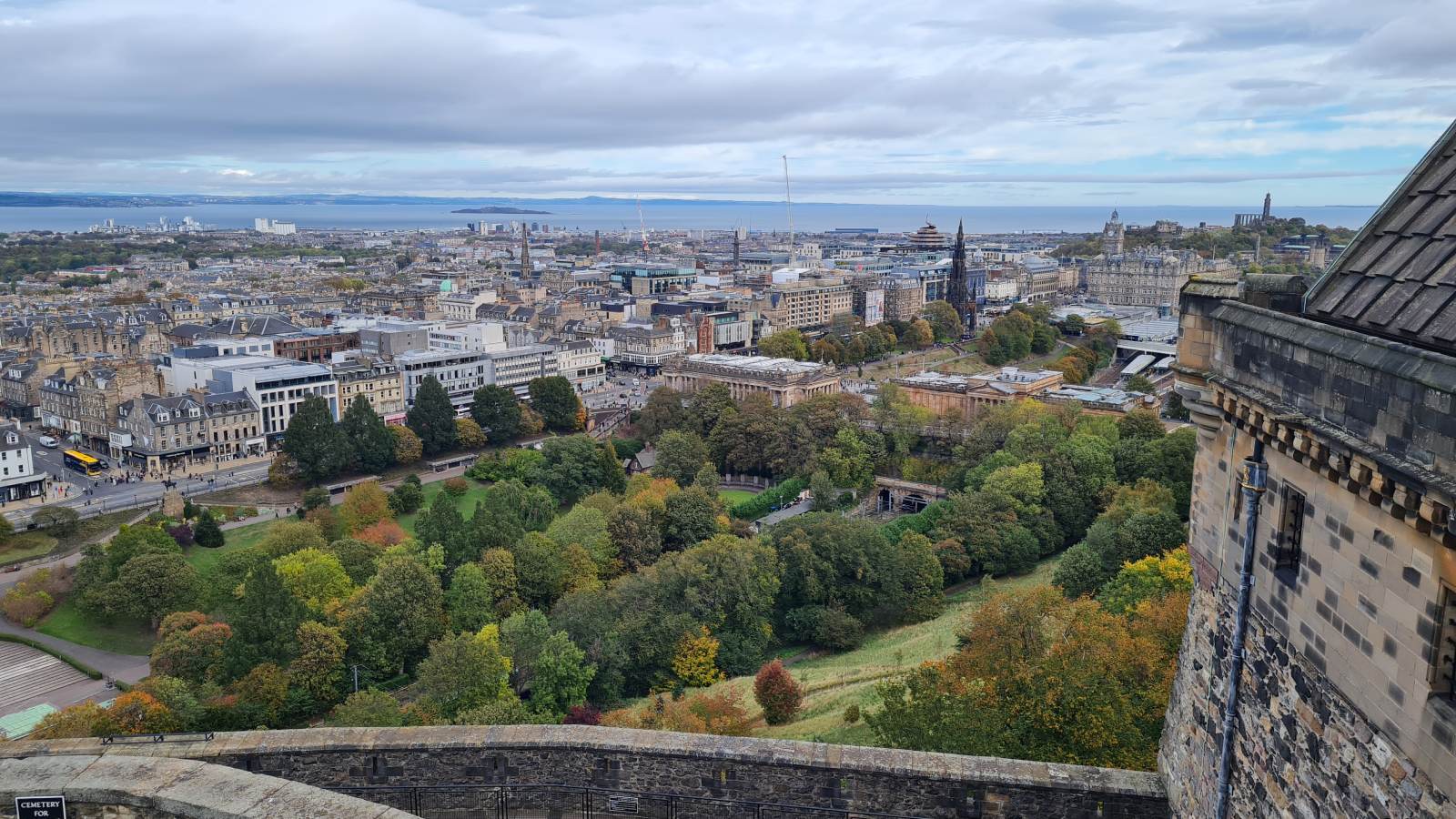
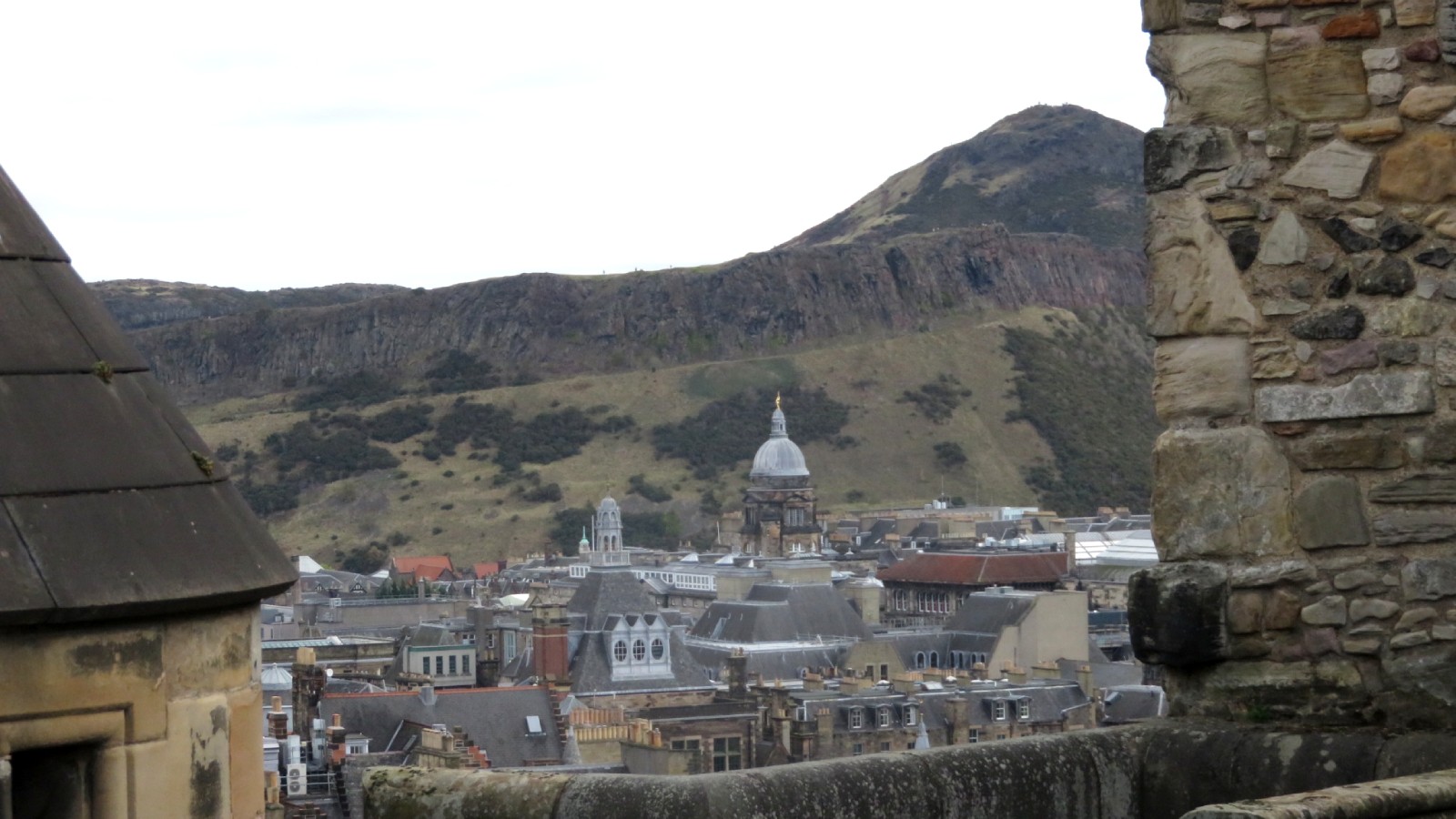
Just inside the castle gates we discovered spectacular views of Edinburgh from the Mill’s Mount Battery – see a selection of our photos in the gallery below. We could see as far as Queensferry Bridge over the Firth of Forth (the white triangles on the top left of the first photo), Arthur’s Seat – which is the actual volcano itself and stands 251 metres high (fifth last photo), the Parish Church of St Cuthbert which we visited later that day (photo 8), and the castle’s pet cemetery (last photo), to name a few.
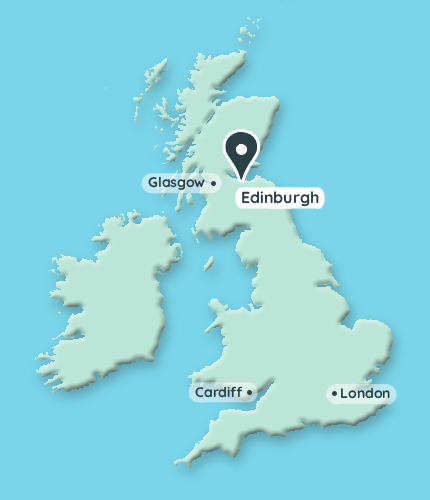
View Edinburgh Castle on Google maps
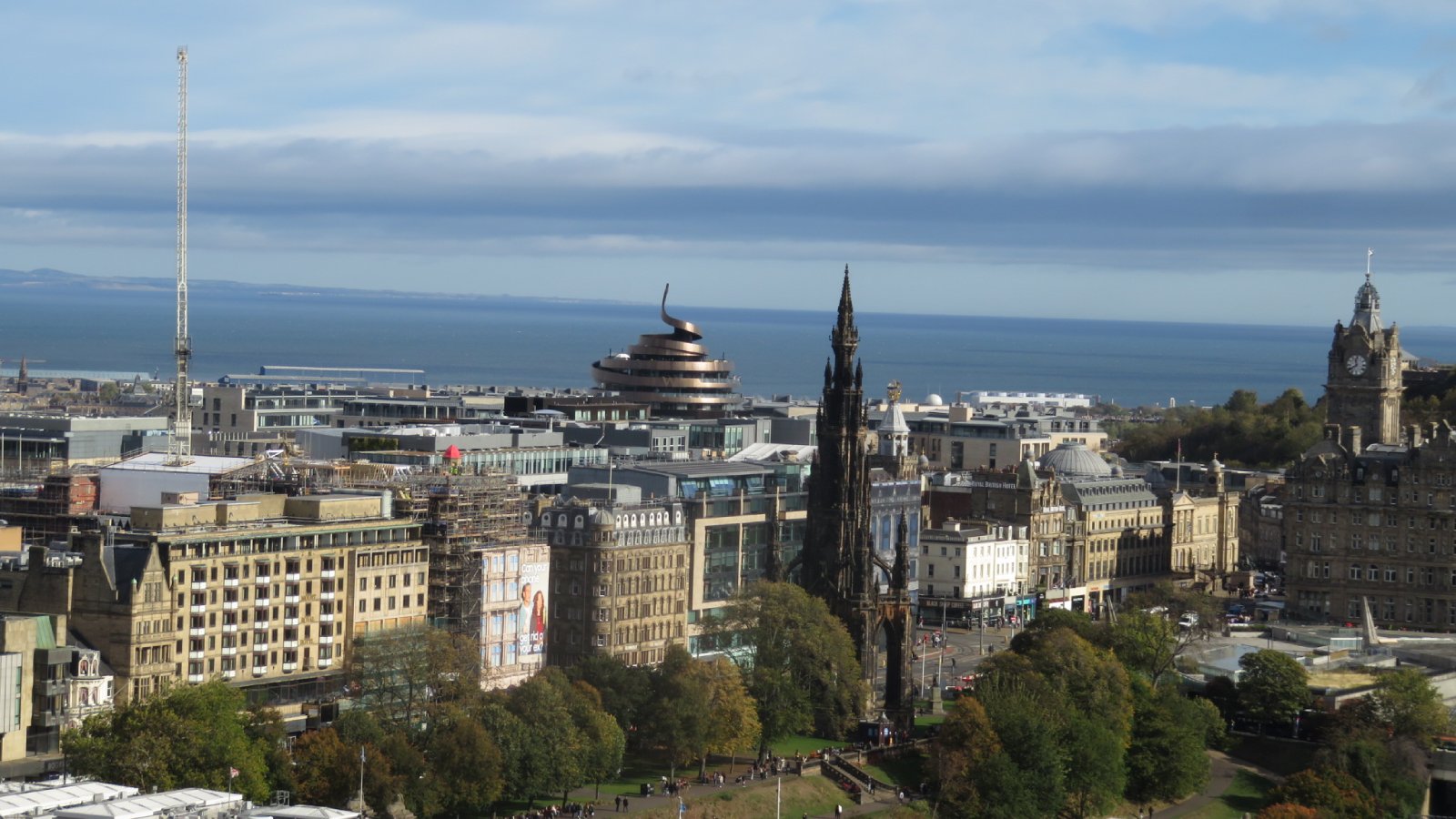
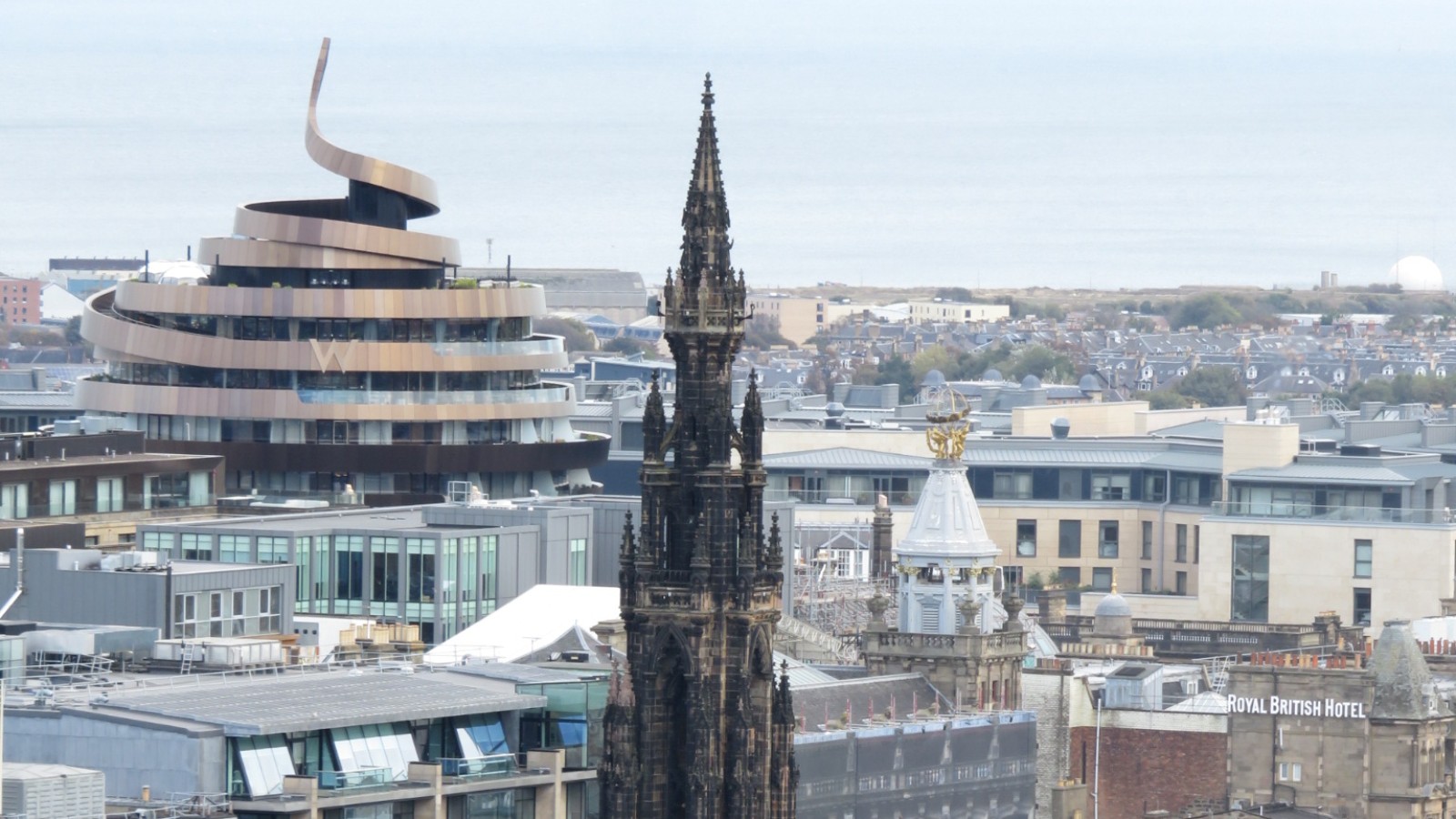
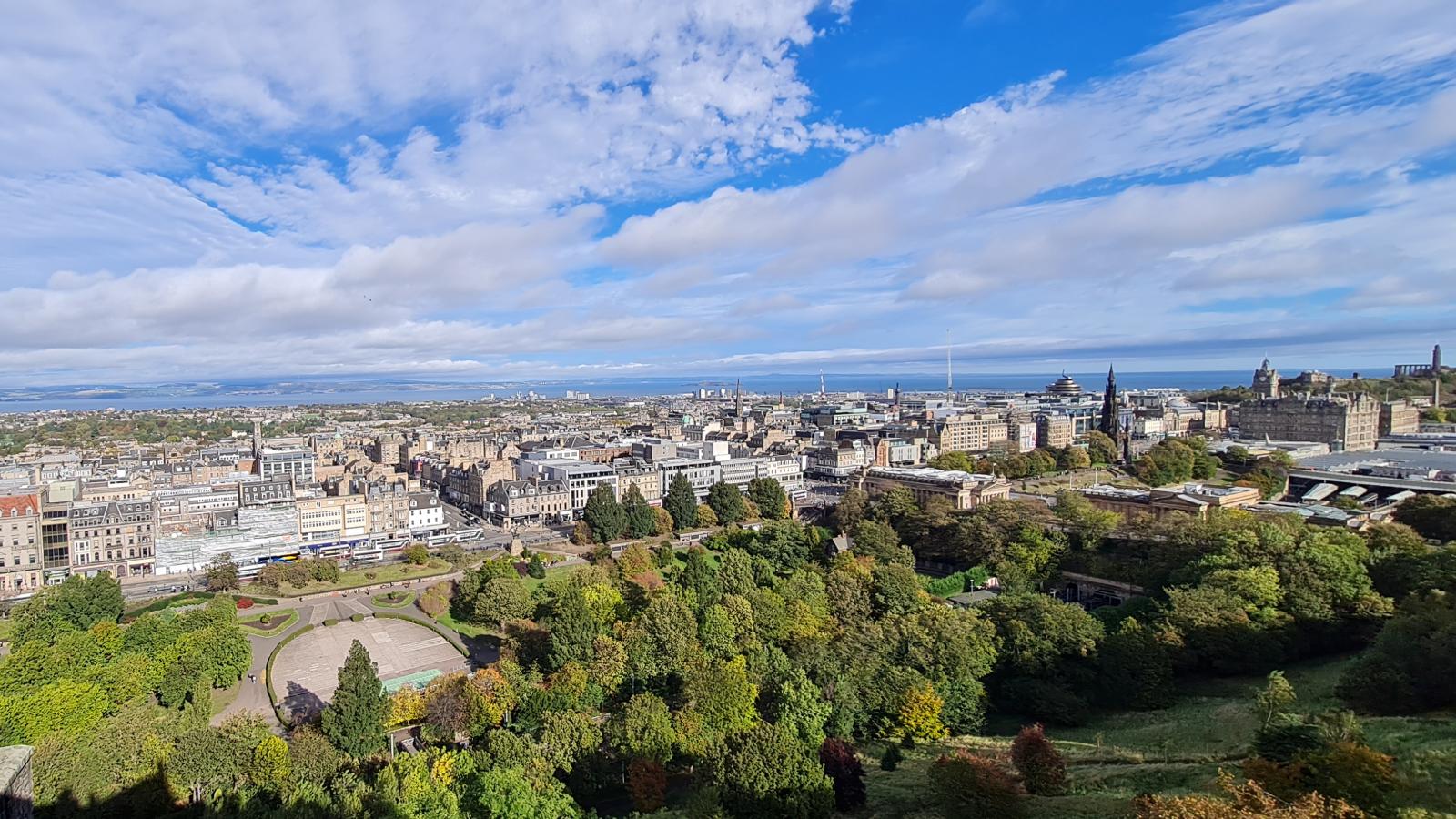
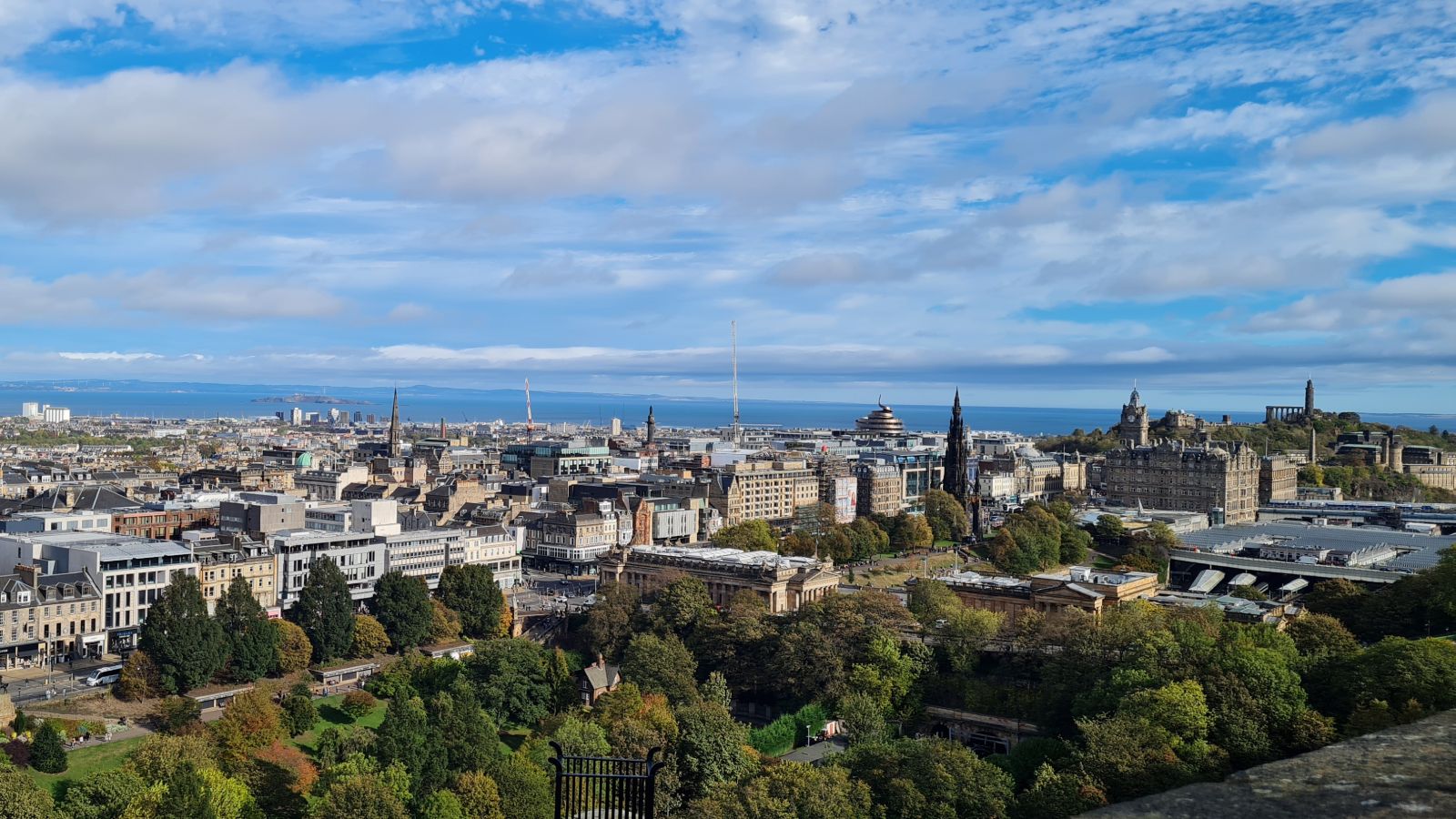
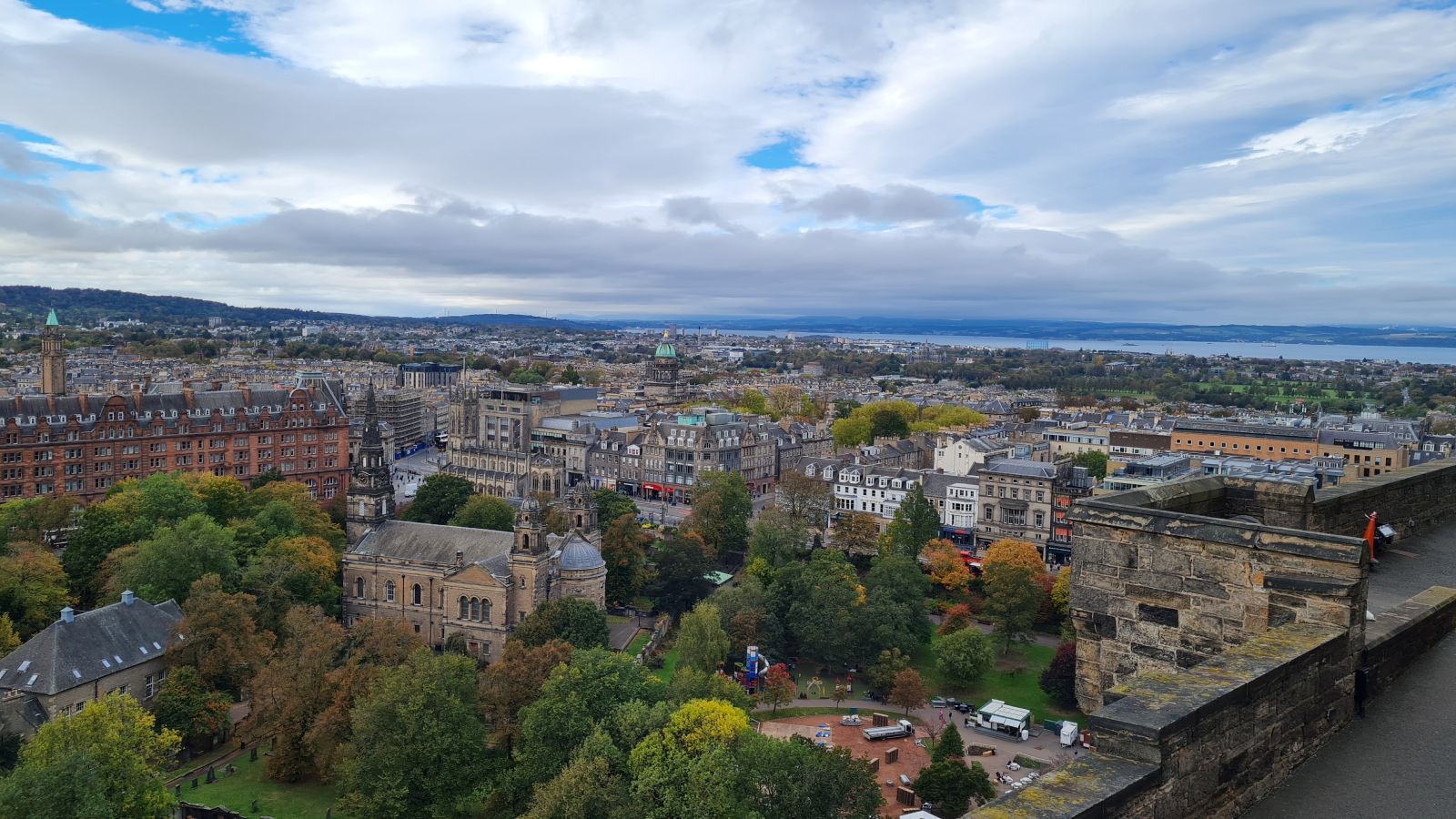
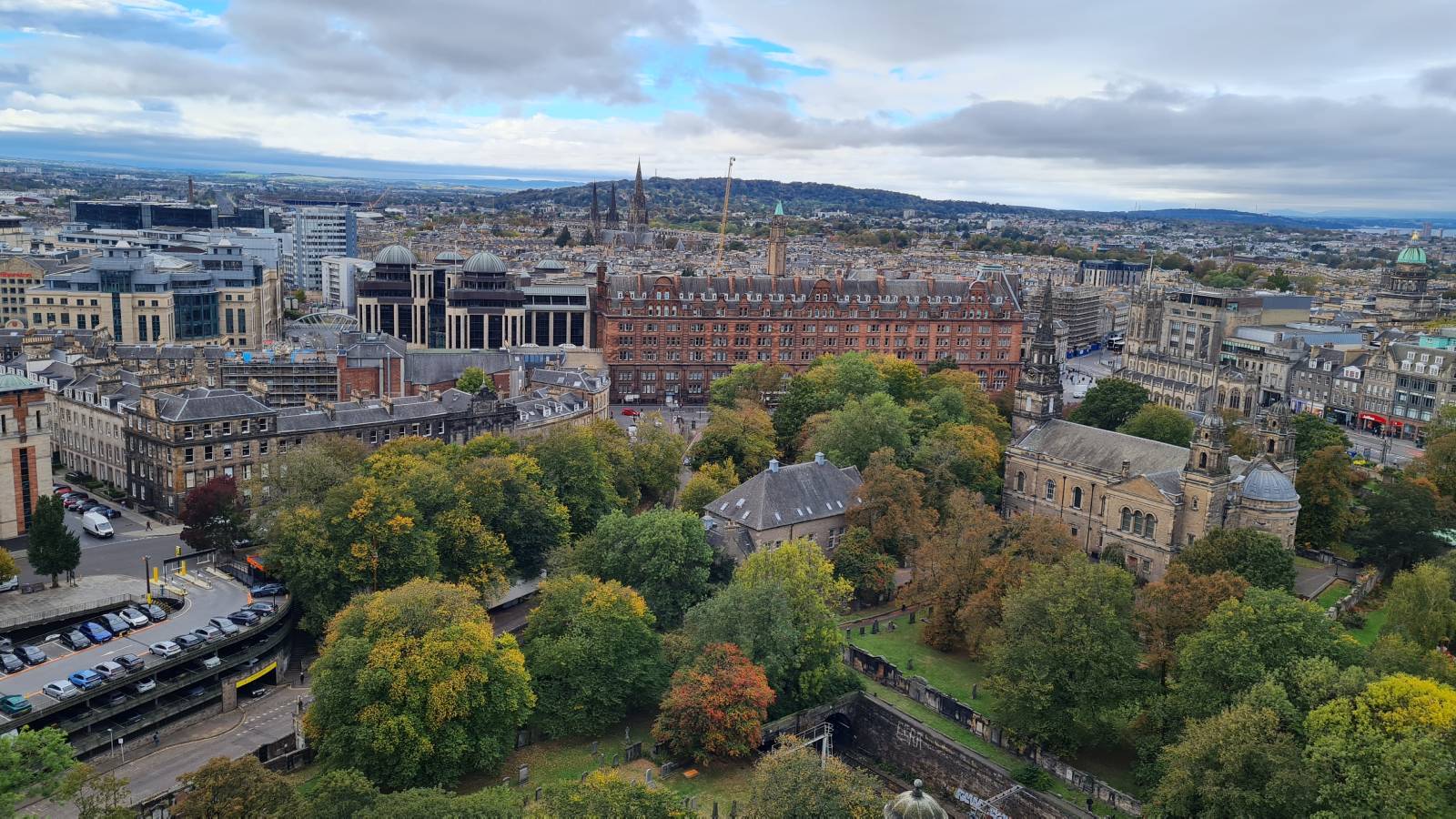
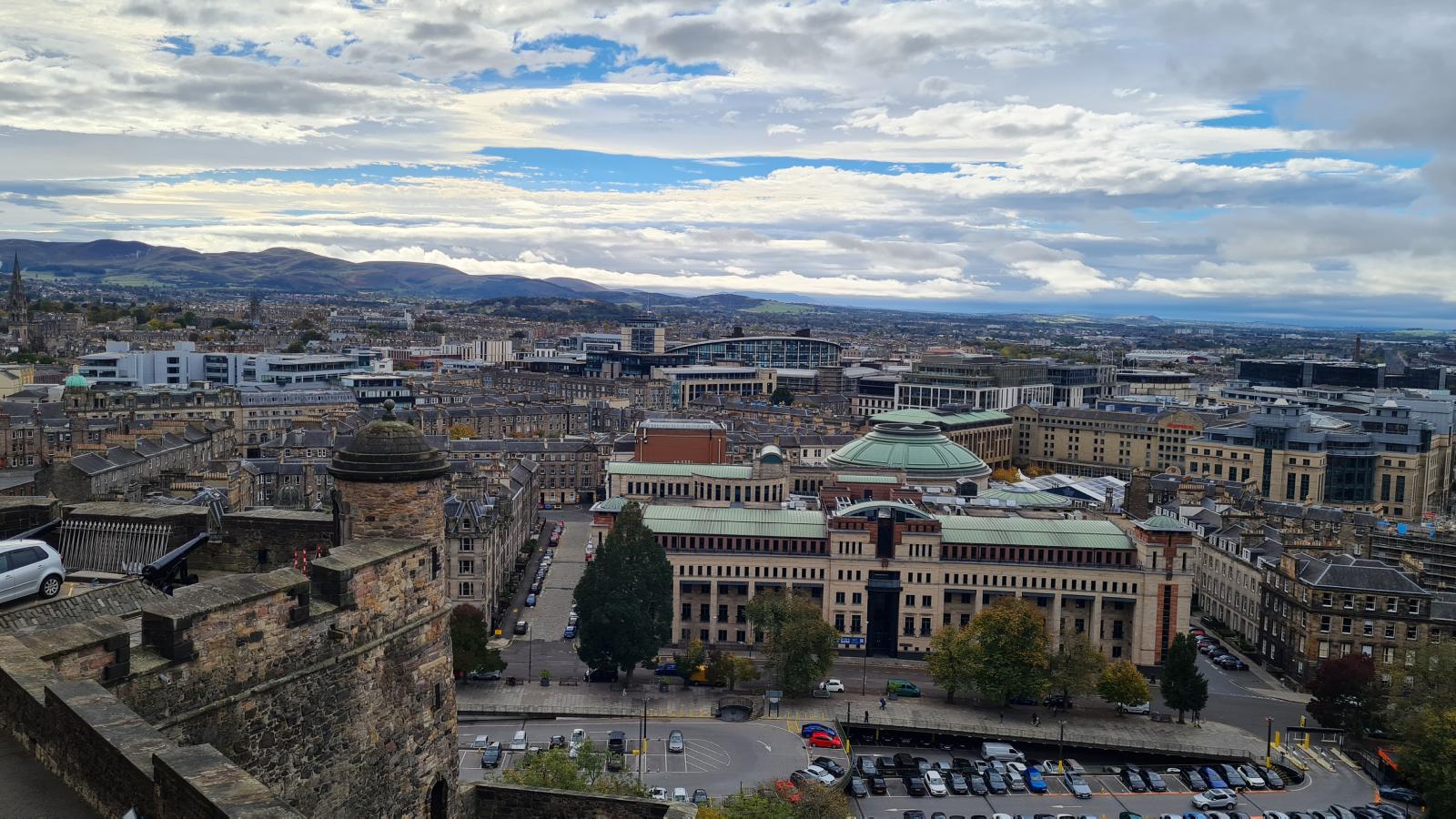
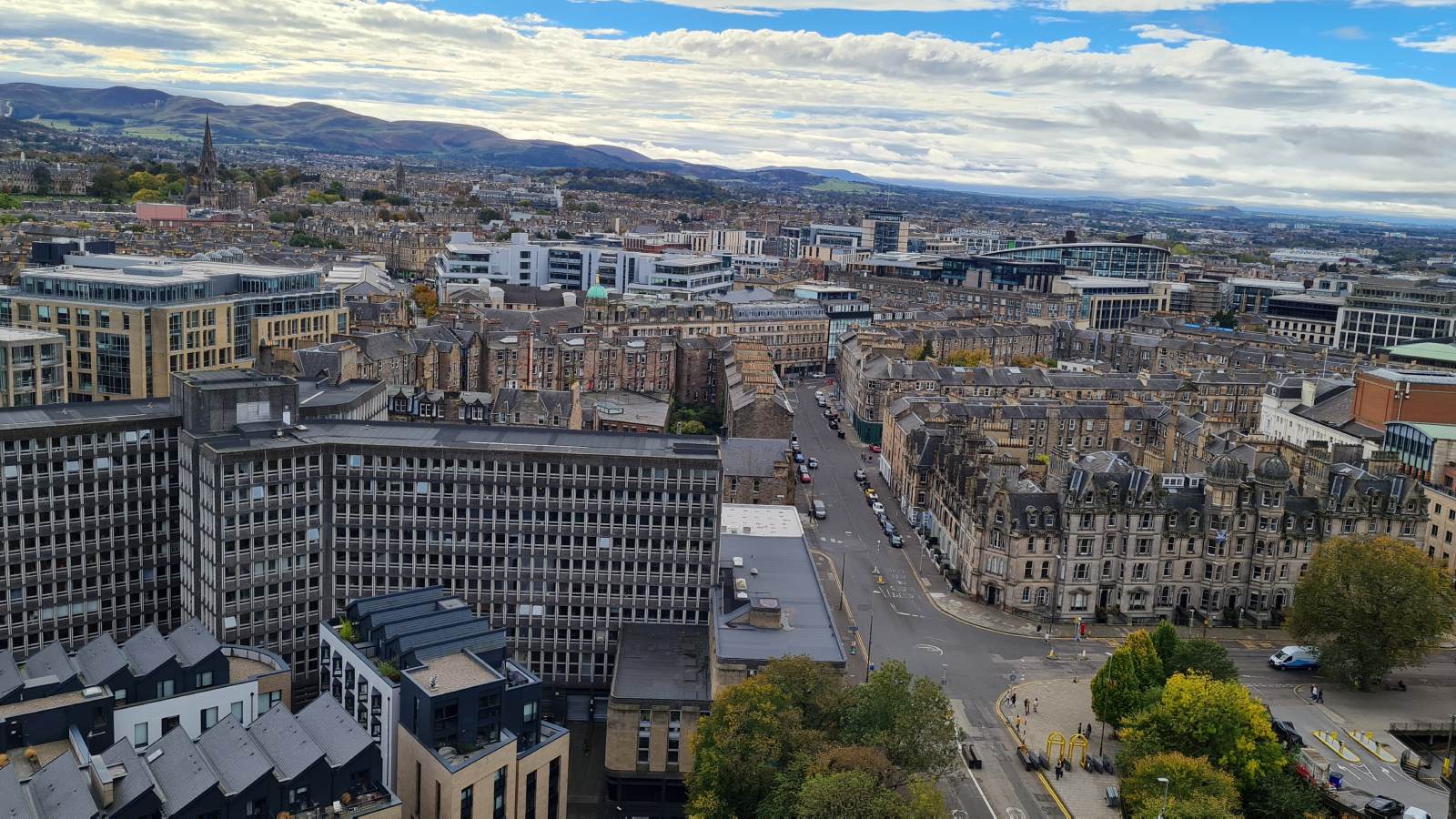
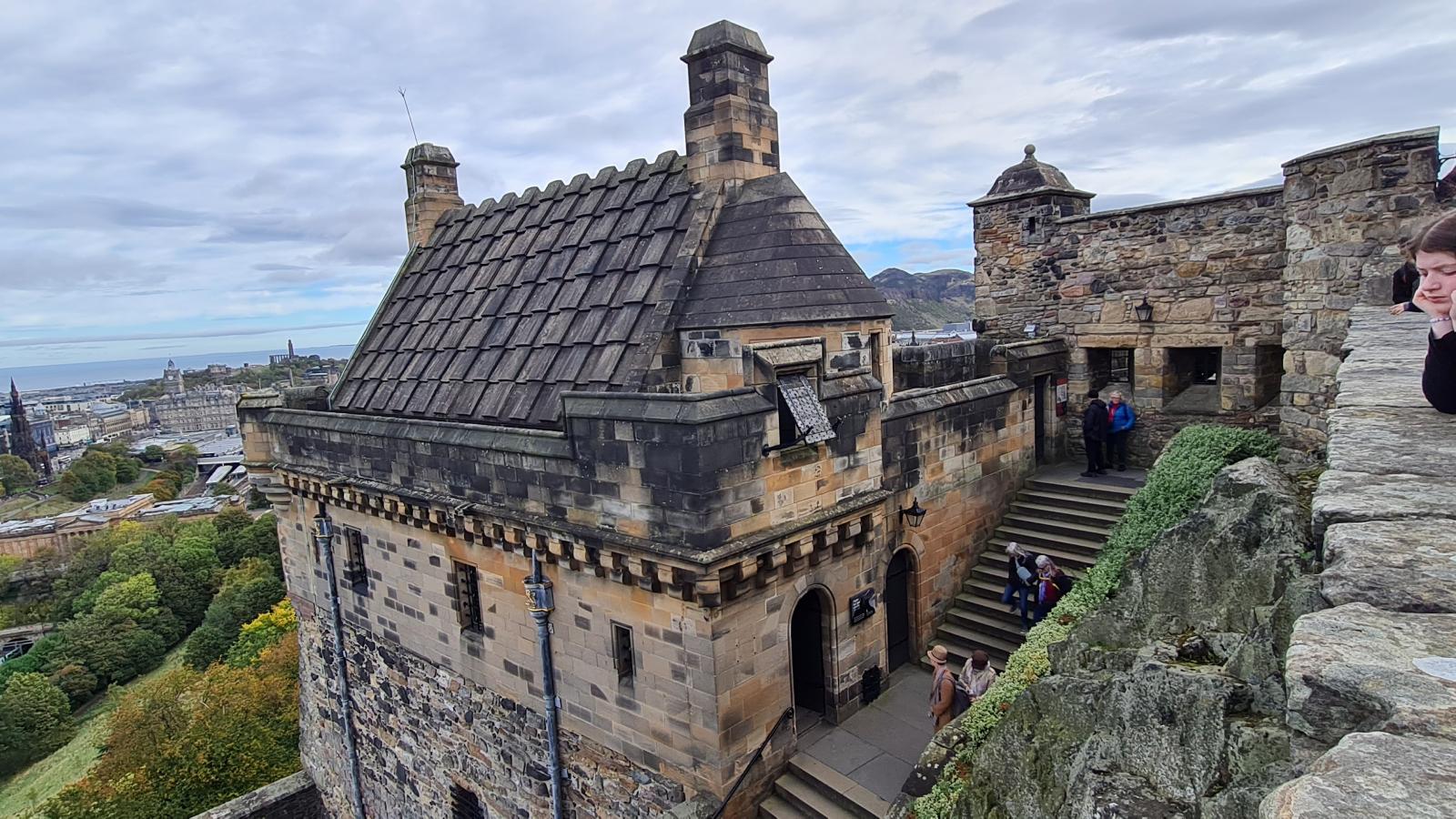
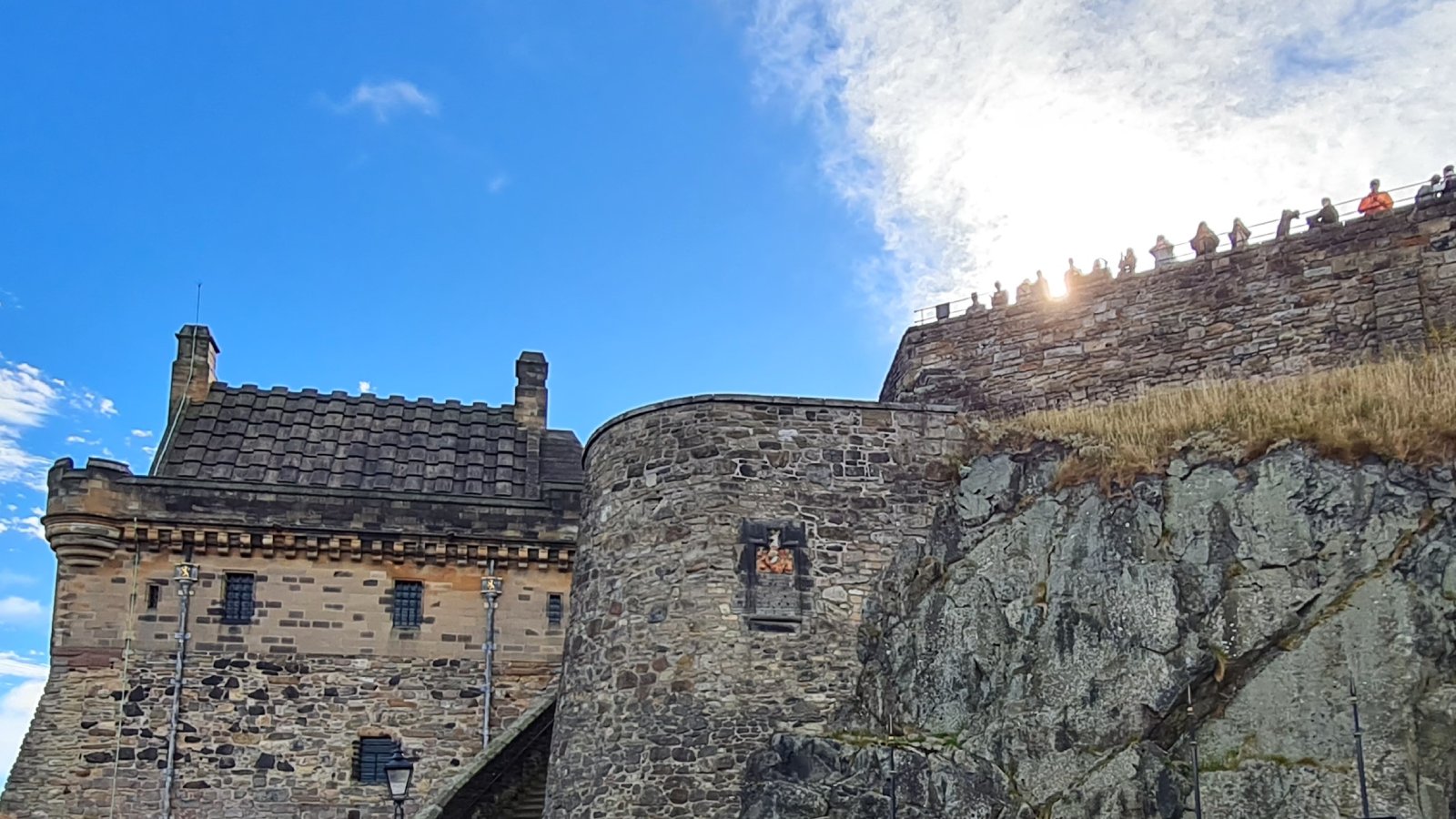
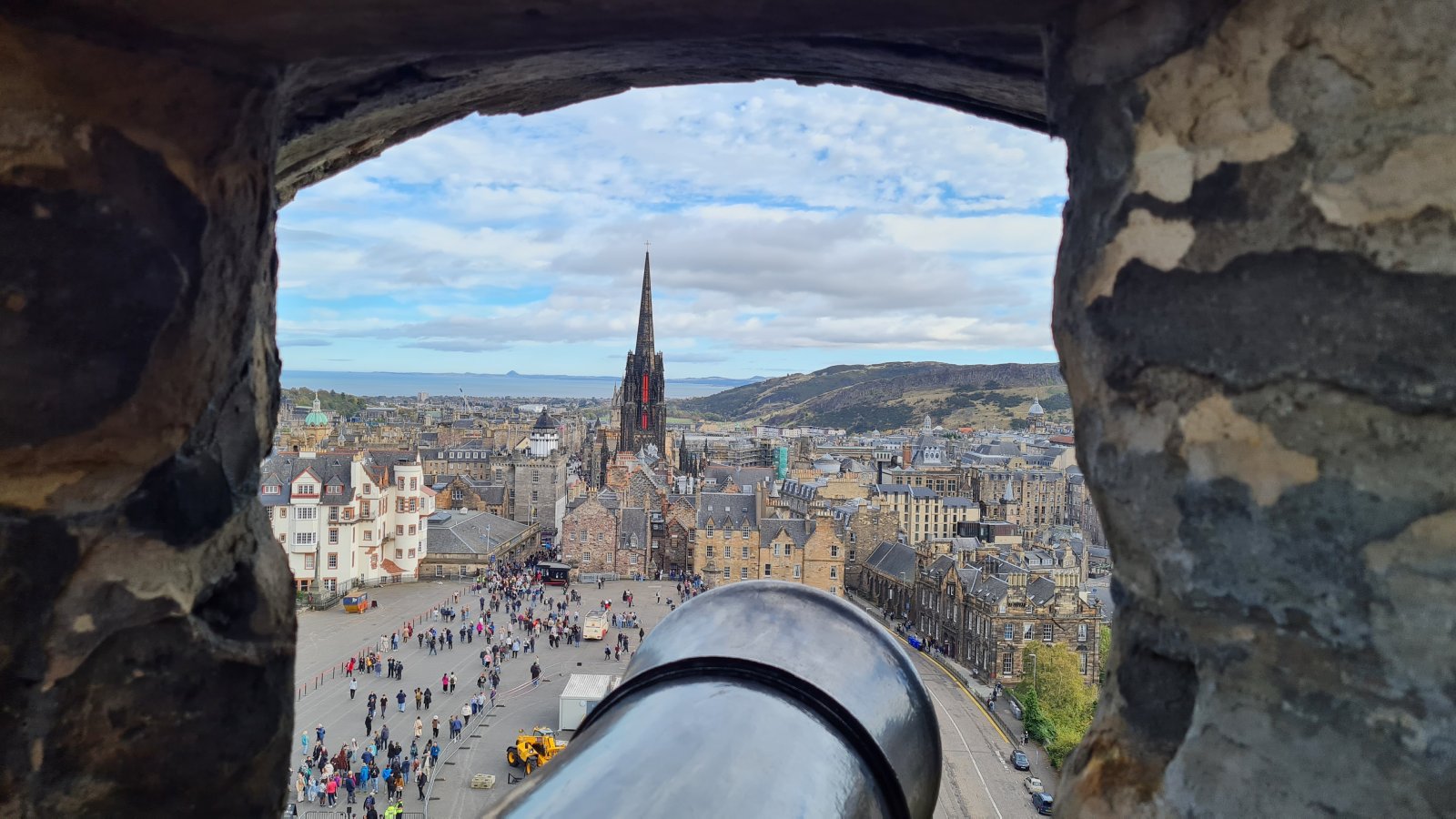
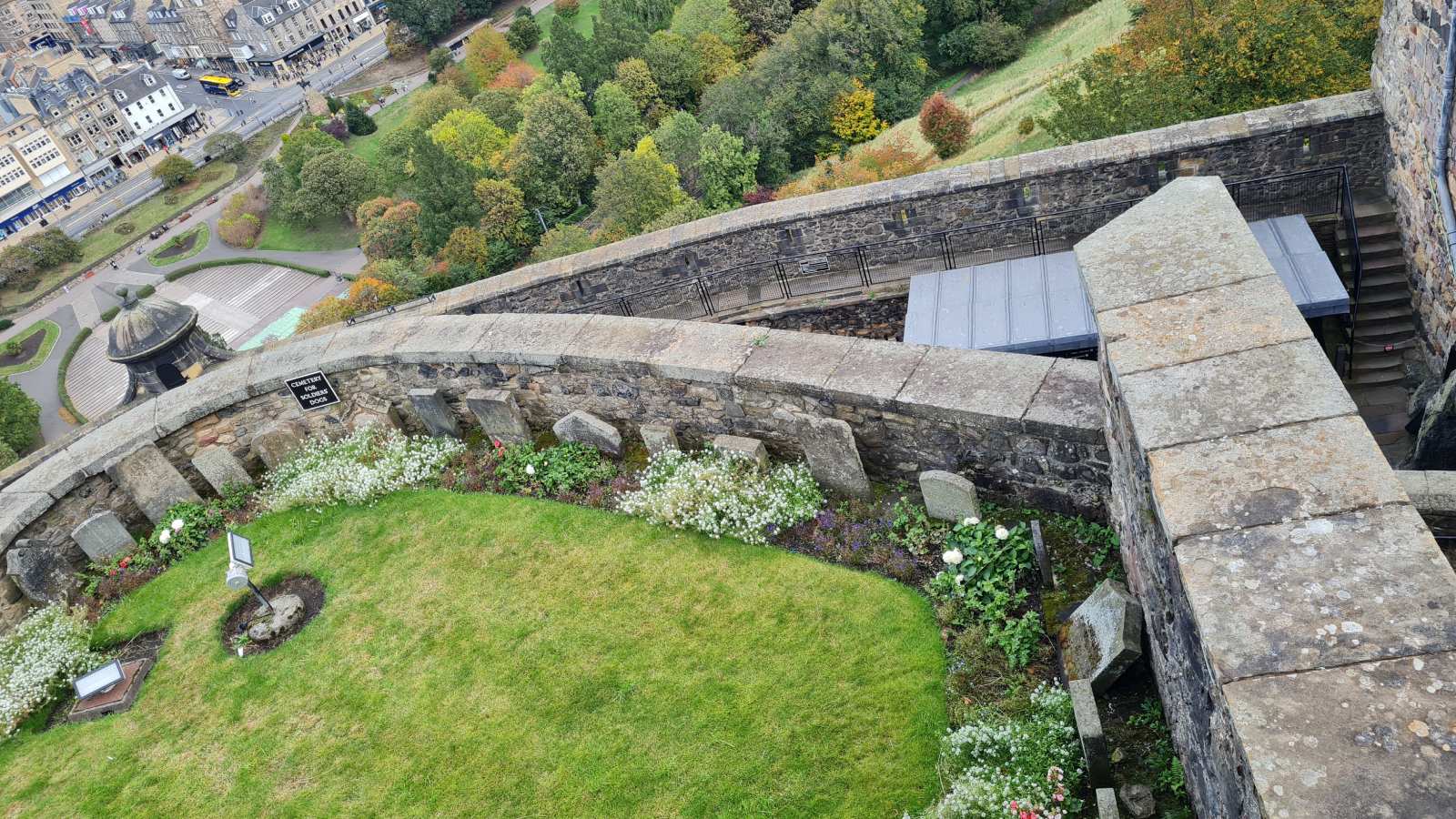
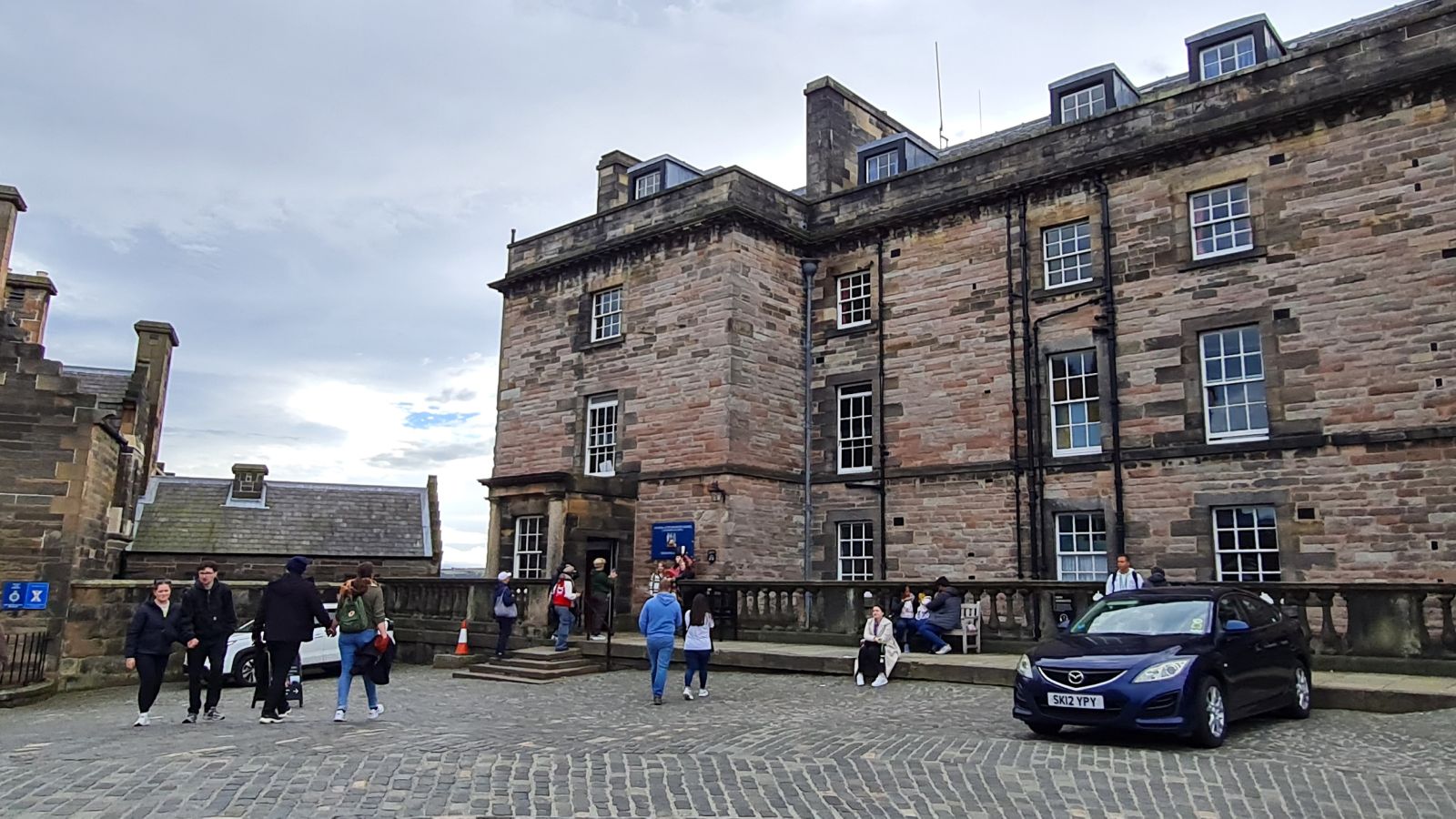
We worked our way around the castle grounds and various internal areas that were open for visitors to explore.
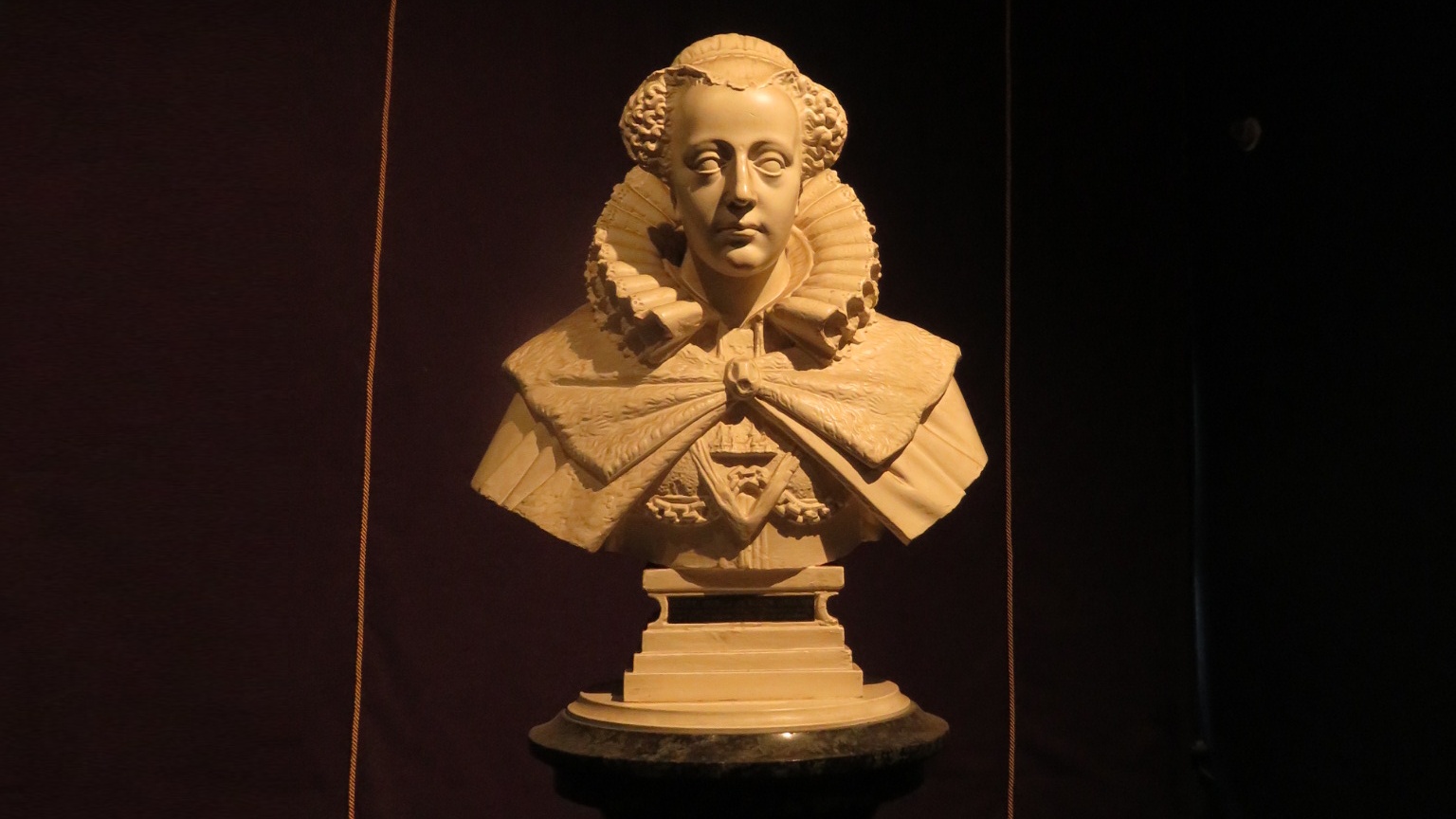
The gallery below shows some highlights from Crown Square, including the Great Hall military barracks, the royal apartments, and different angles of the Scottish National War Memorial. We also saw the crown jewels that belonged to Mary Queen of Scots – the last photo is a plaster cast of her bust. No photos were allowed of the crown jewels or inside the war memorial – but you can click the links to see what they looked like.
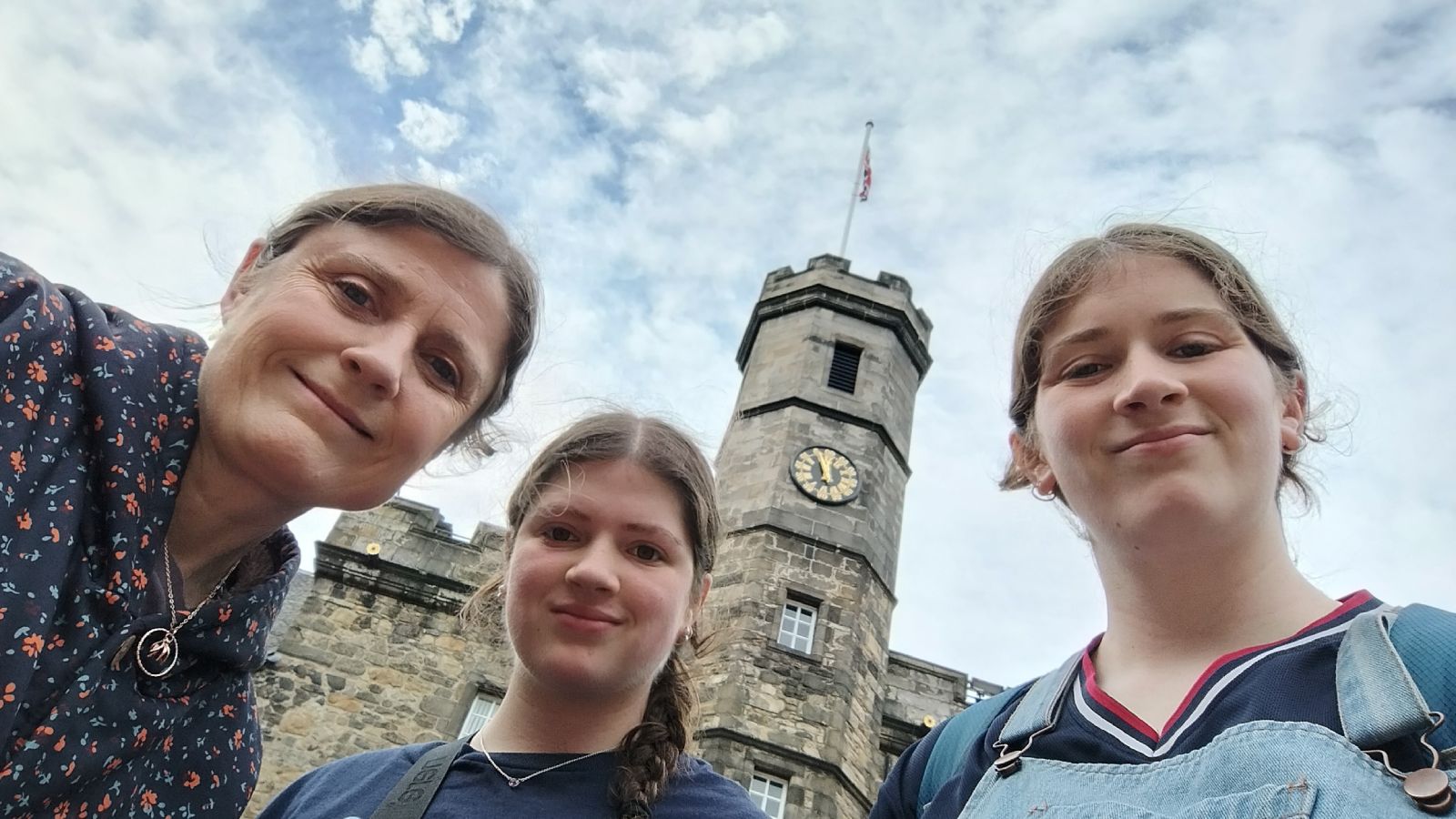
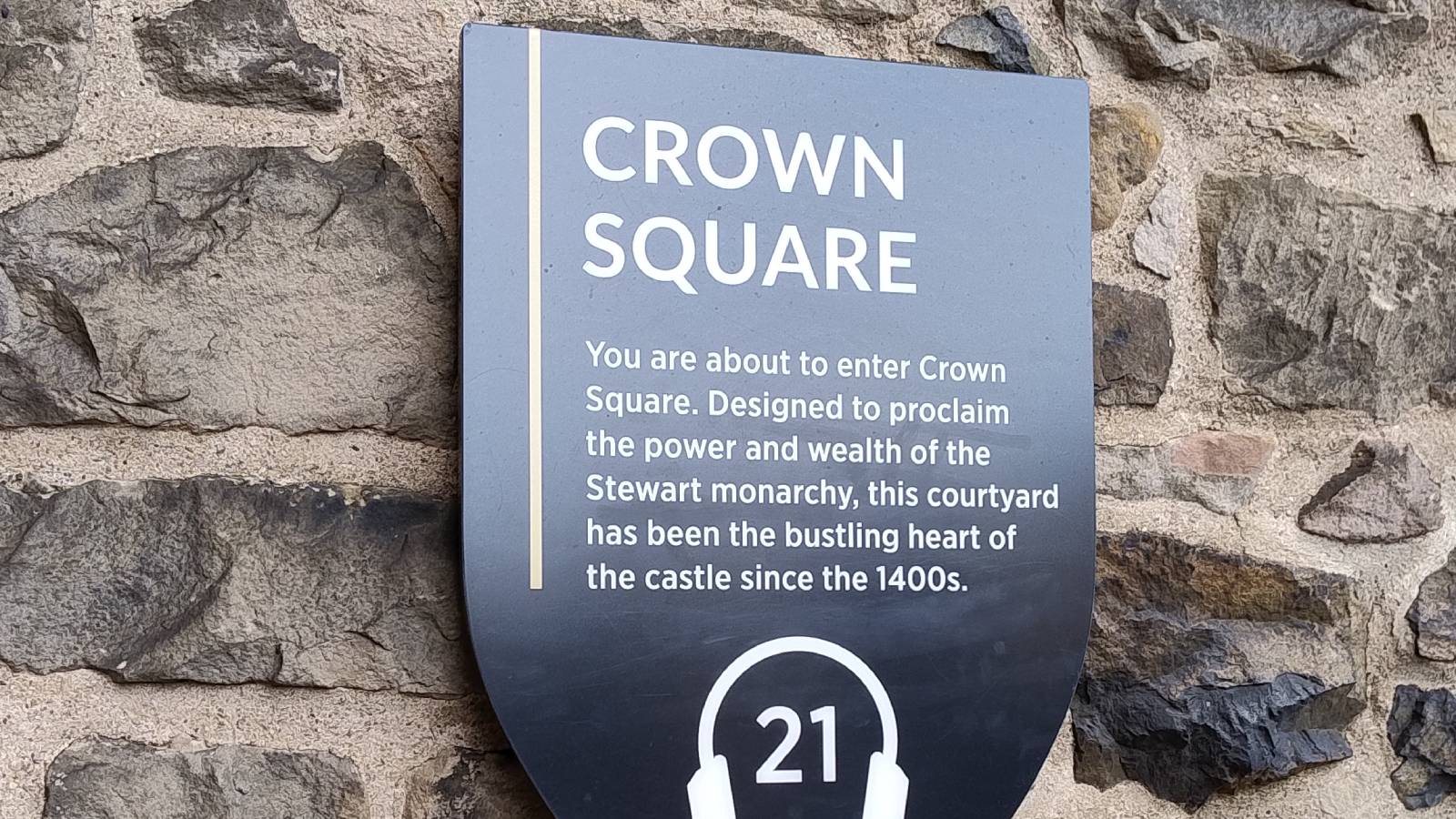
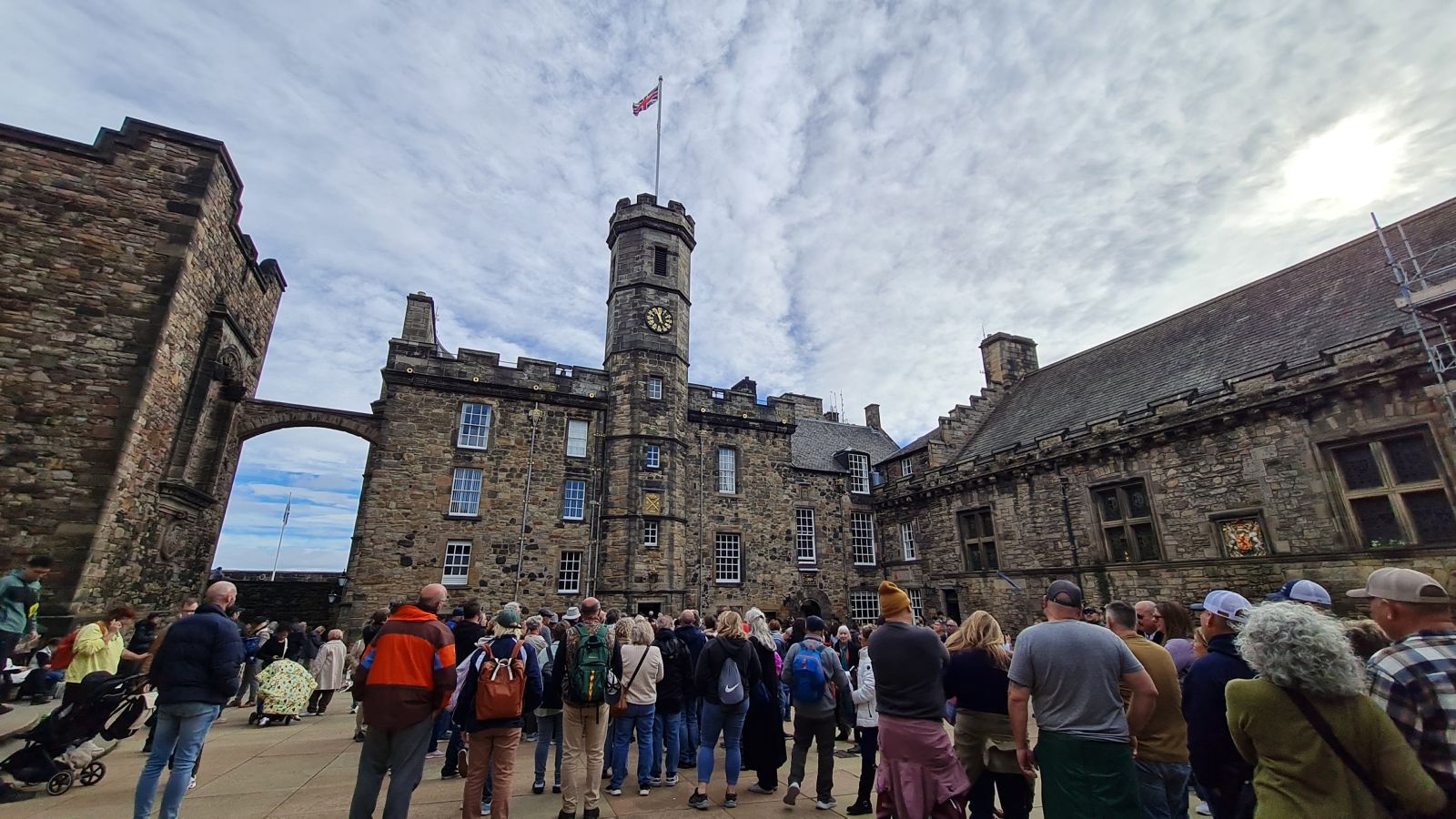
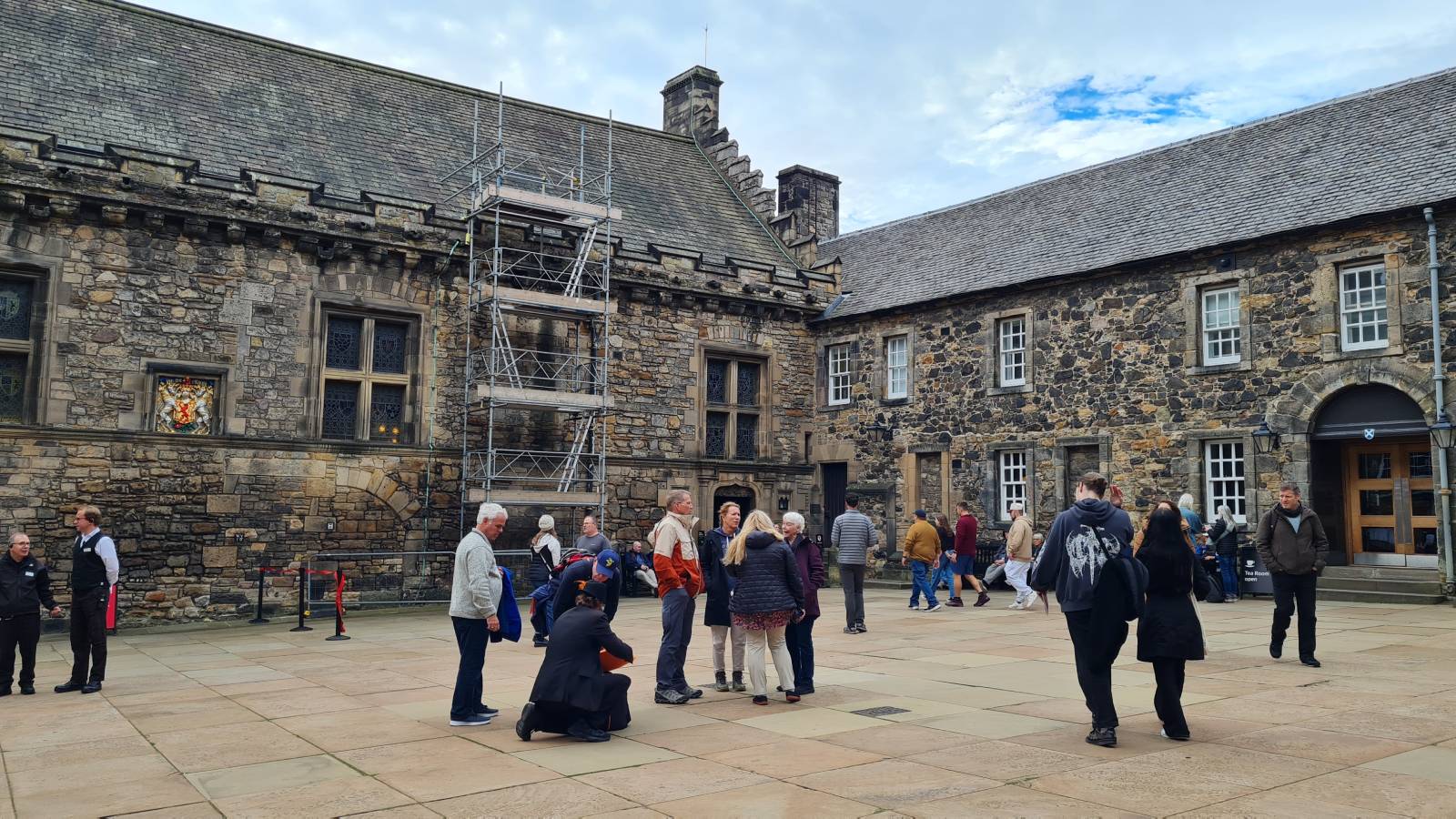
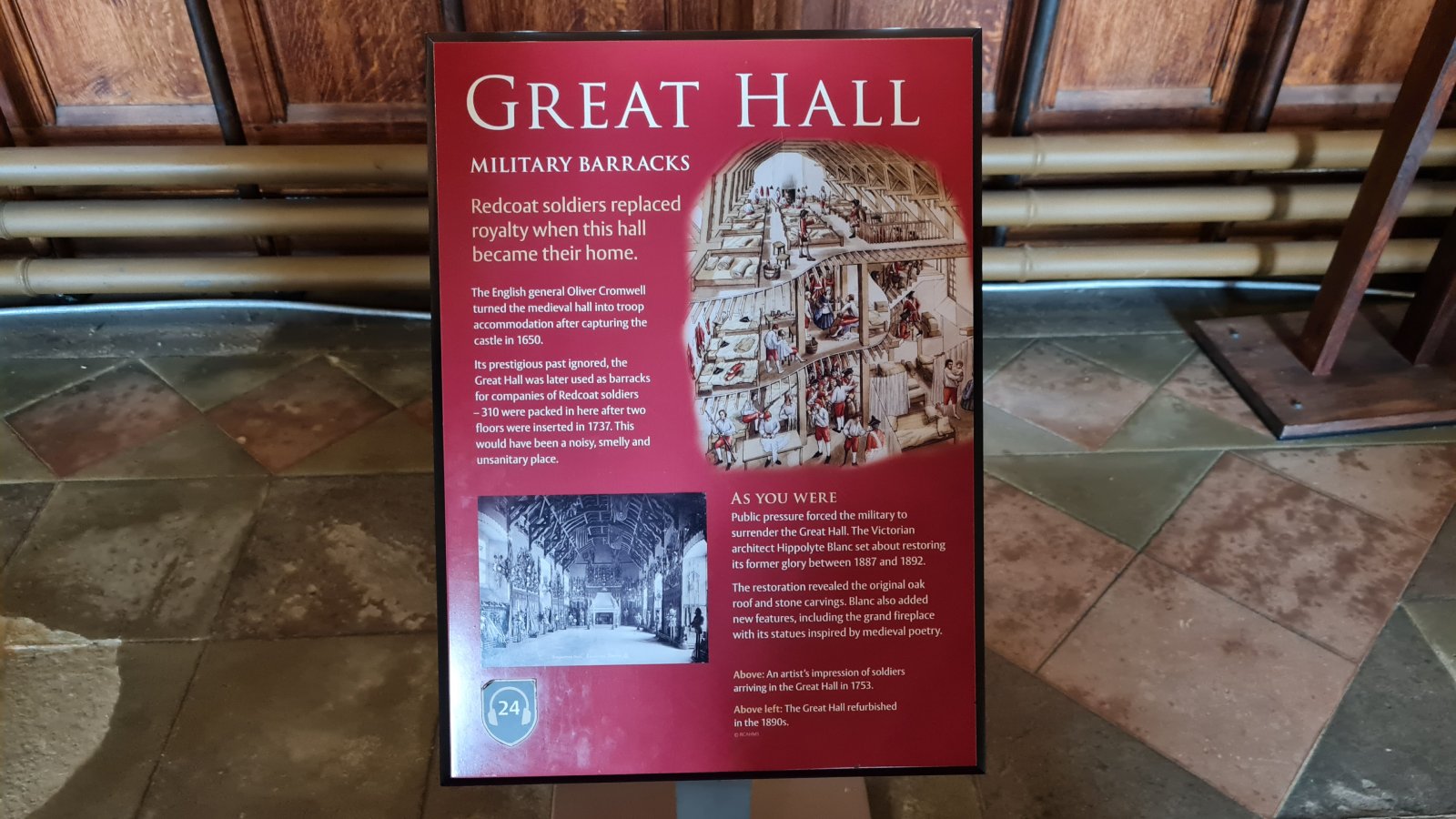
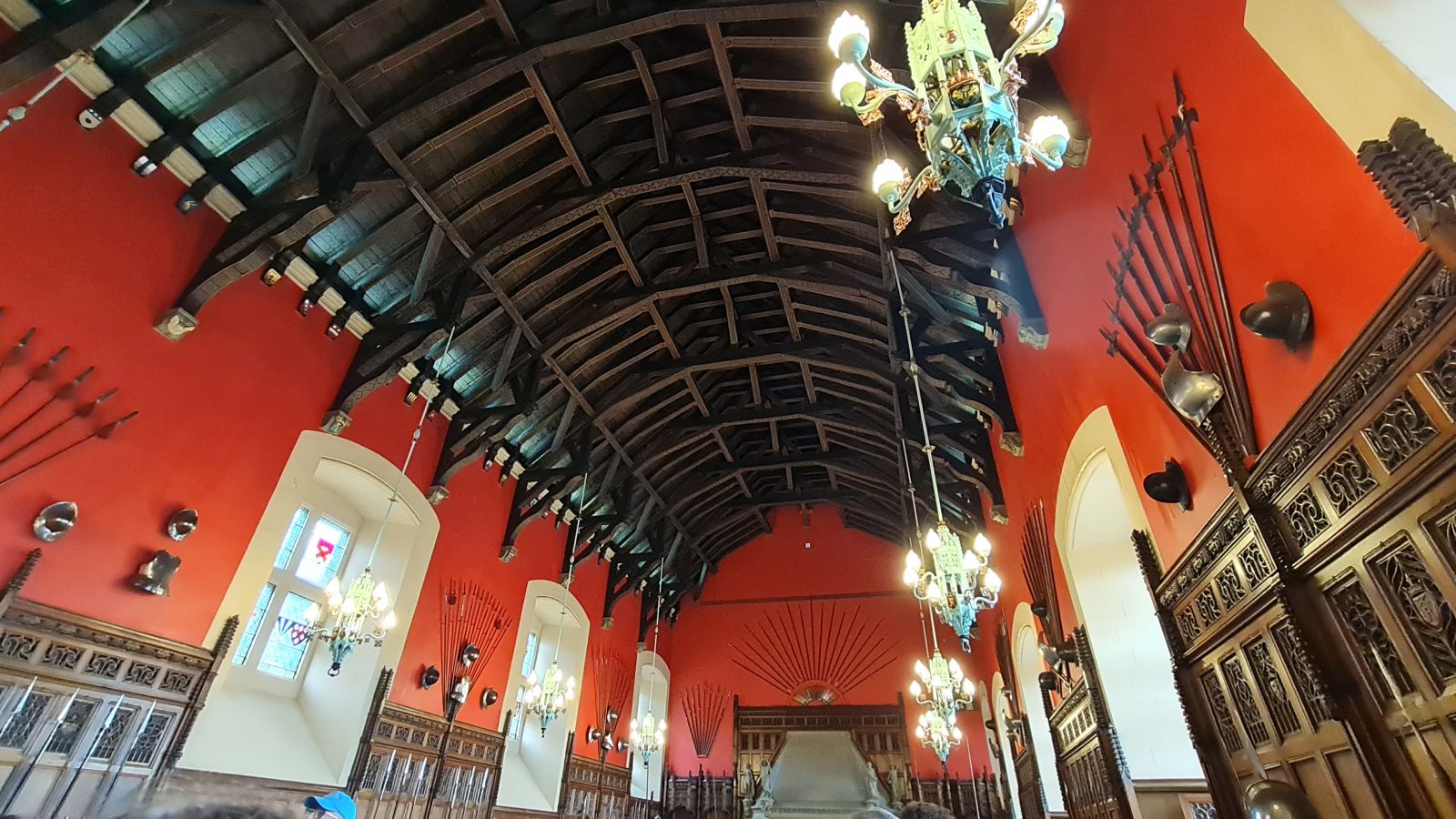
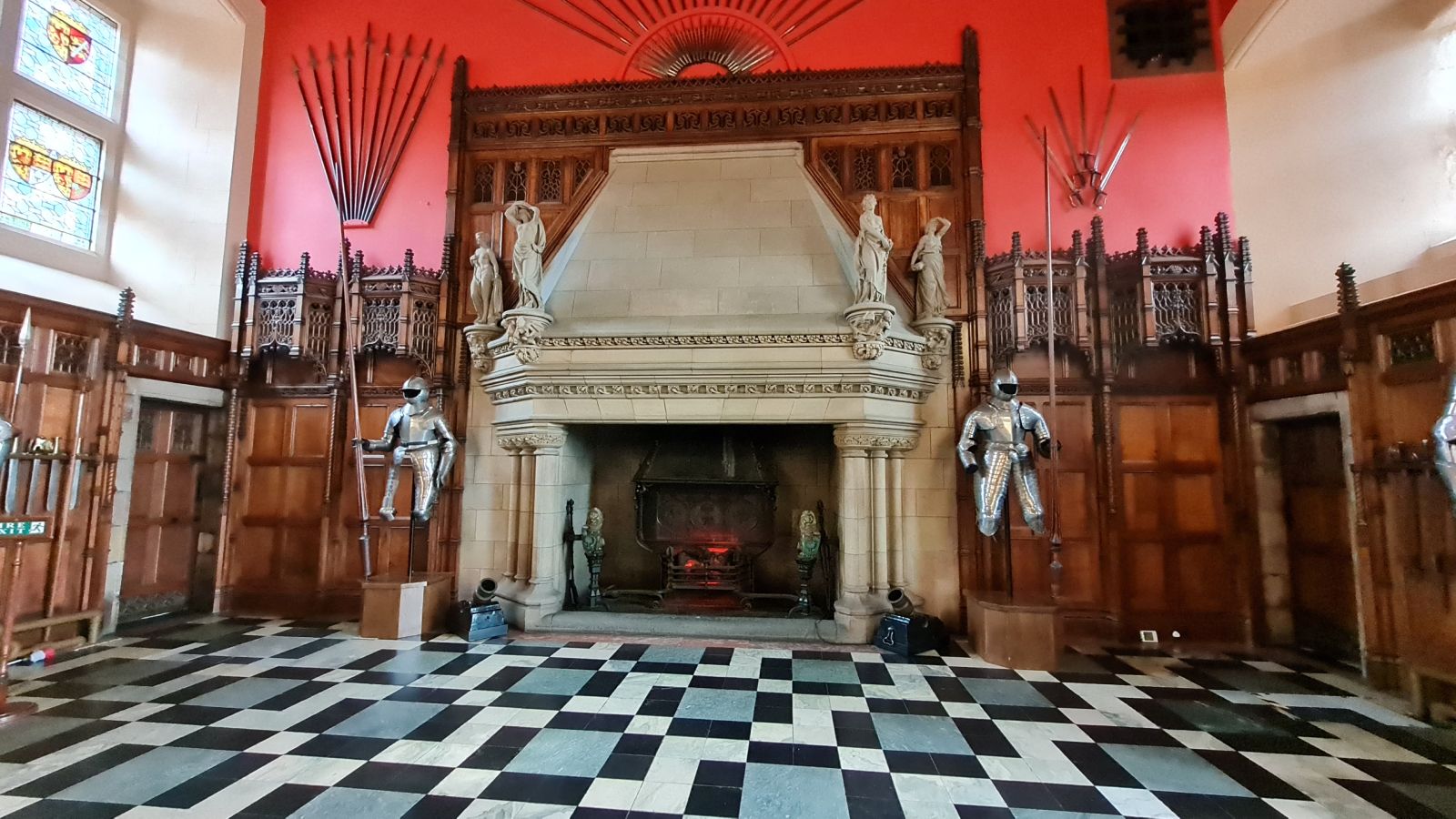
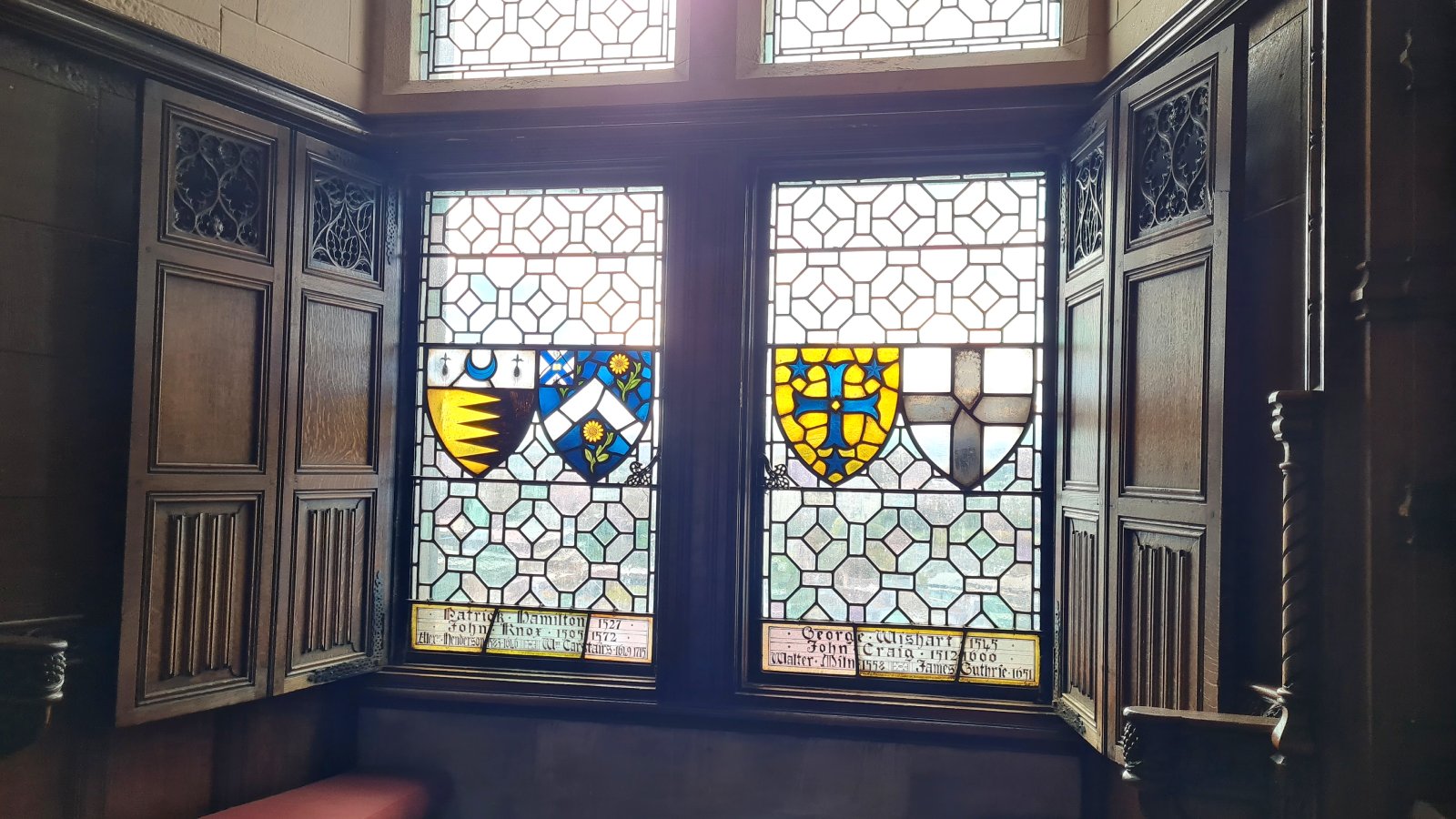
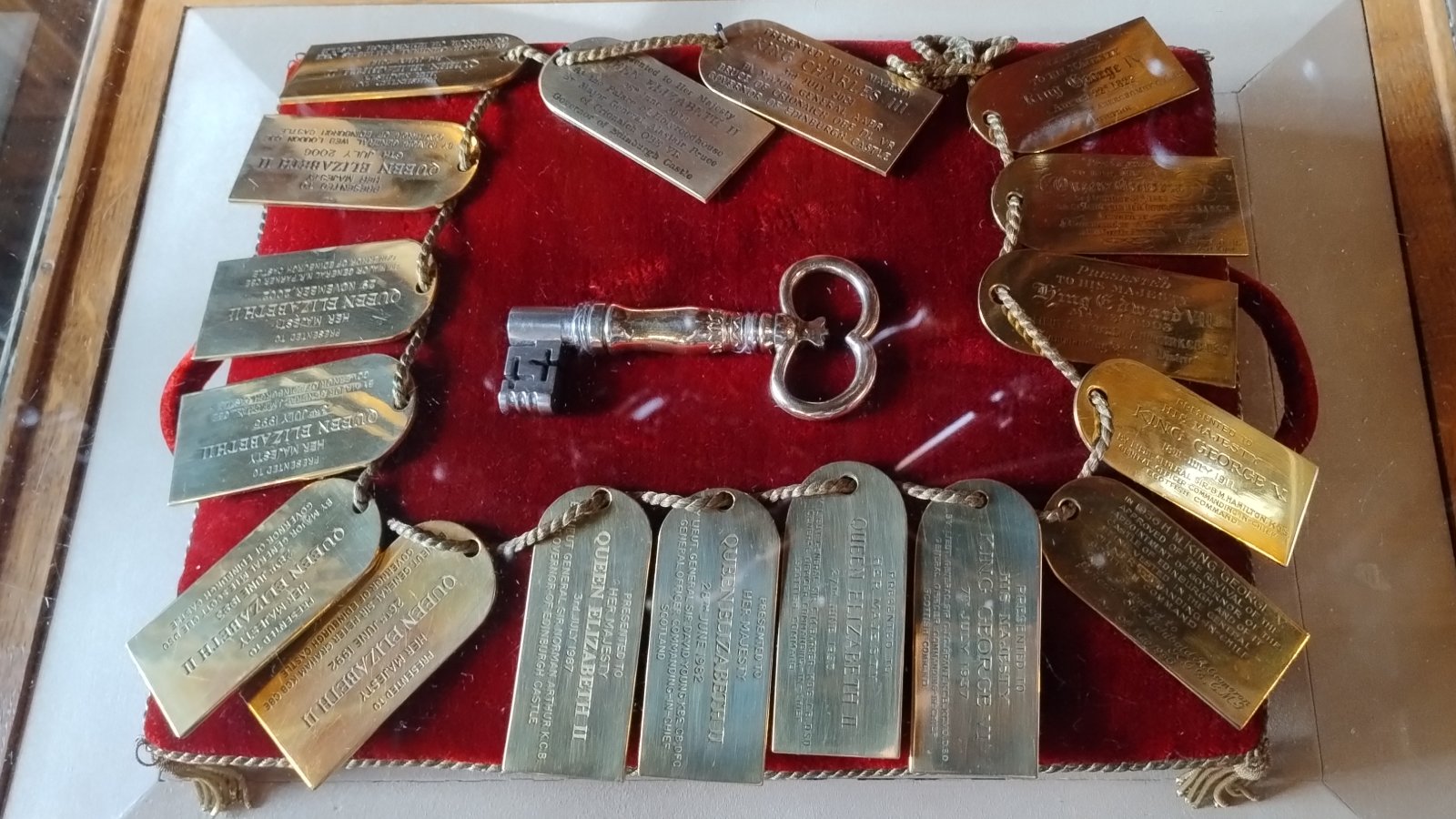
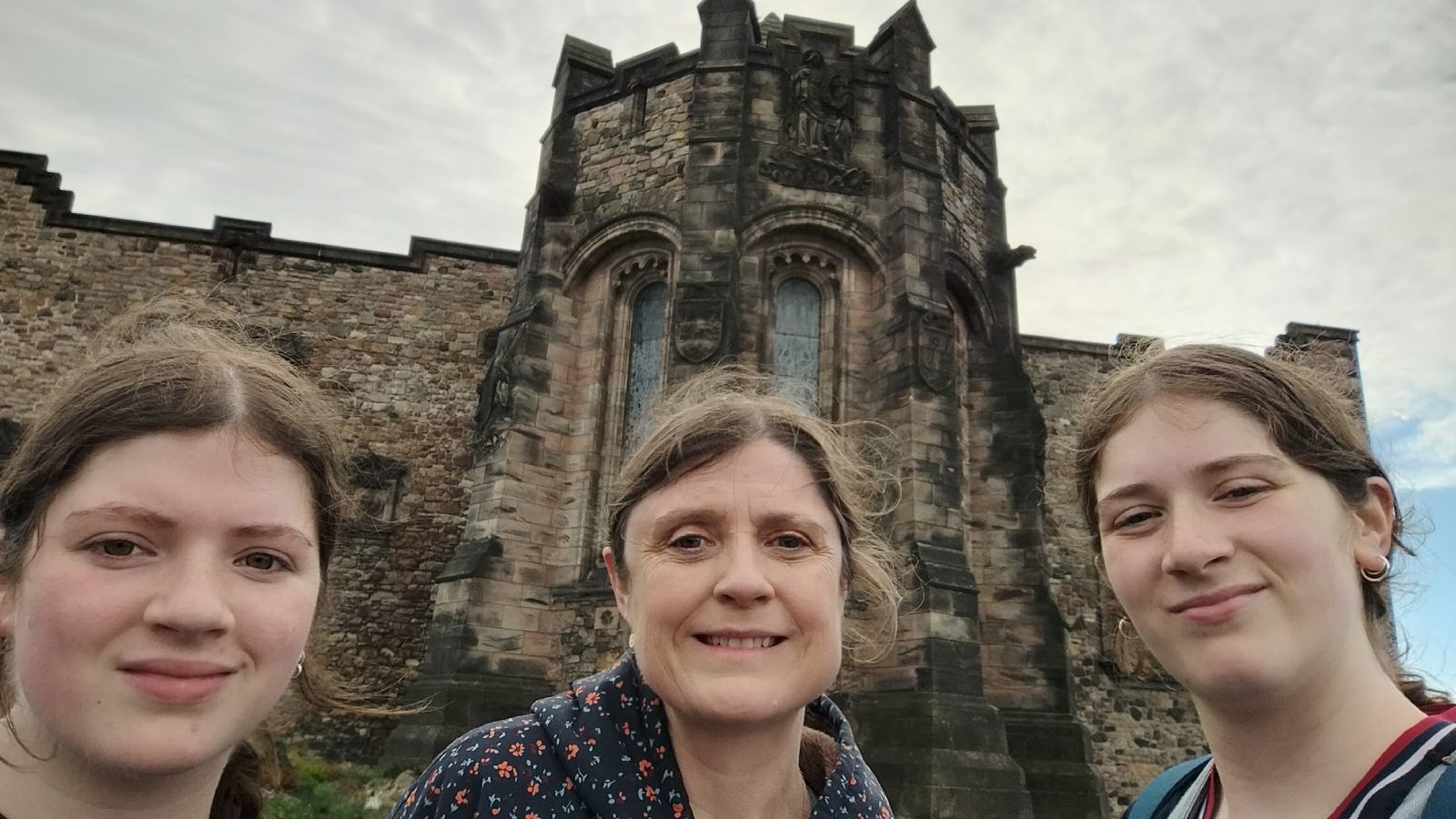
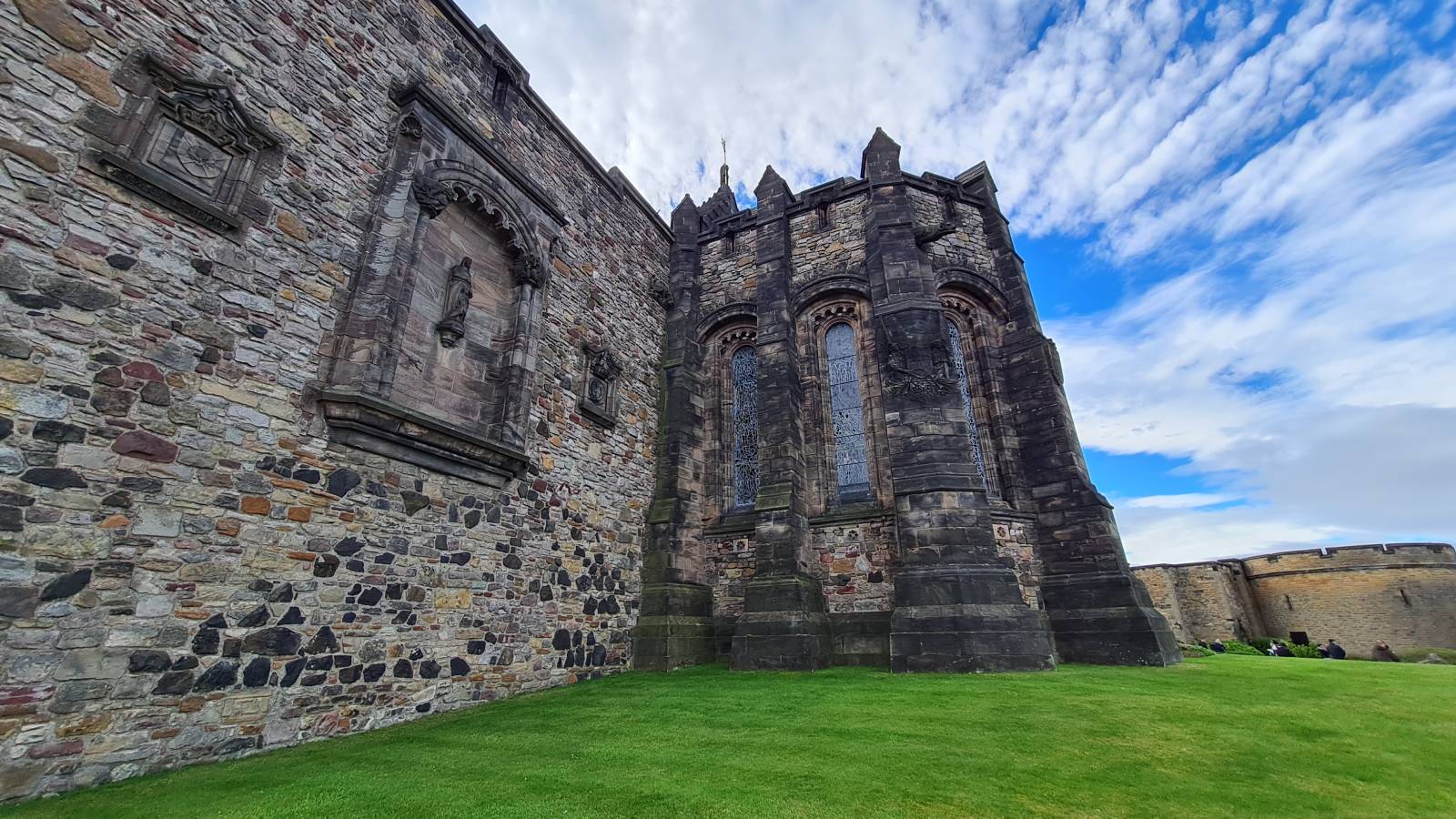
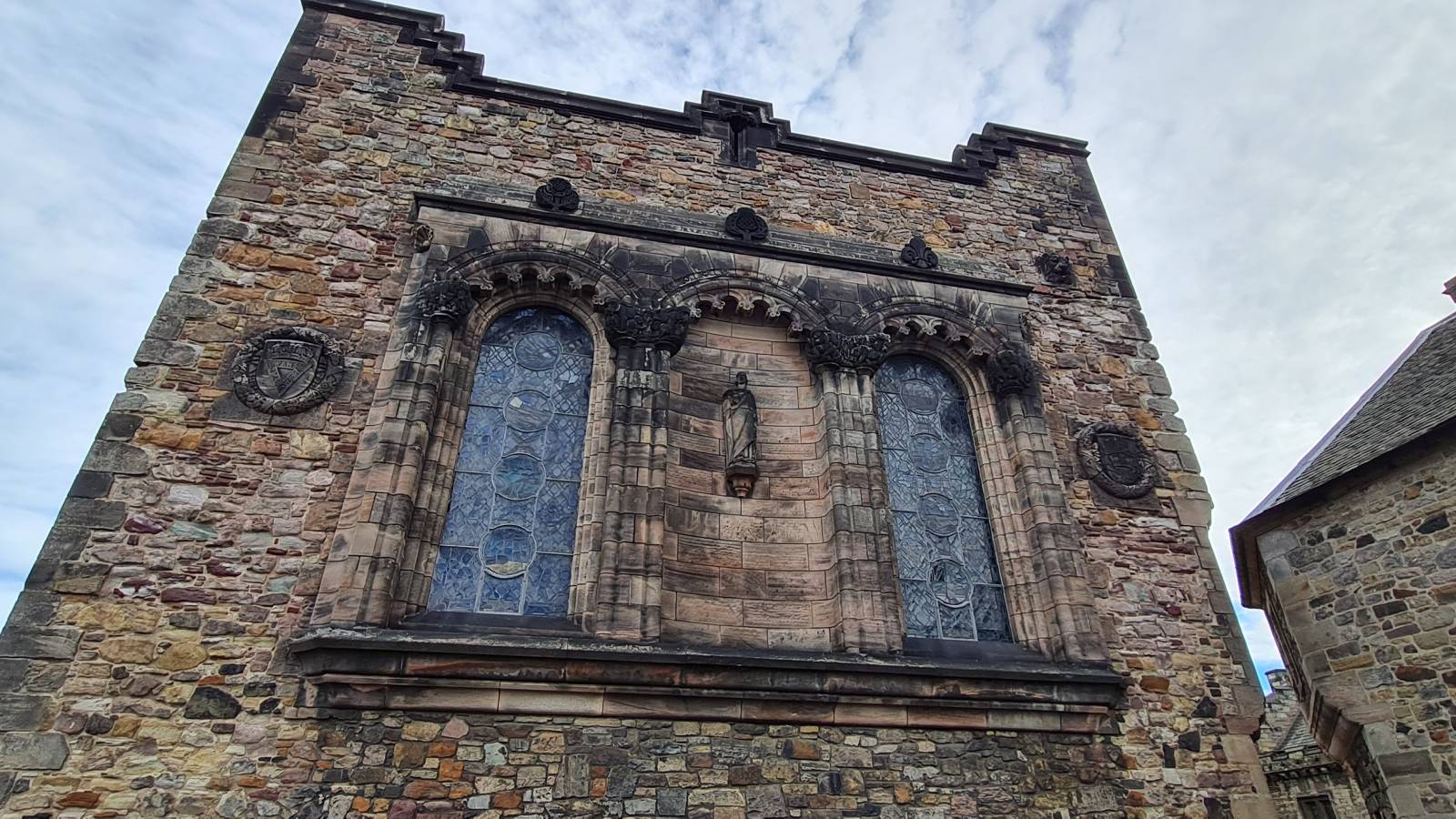
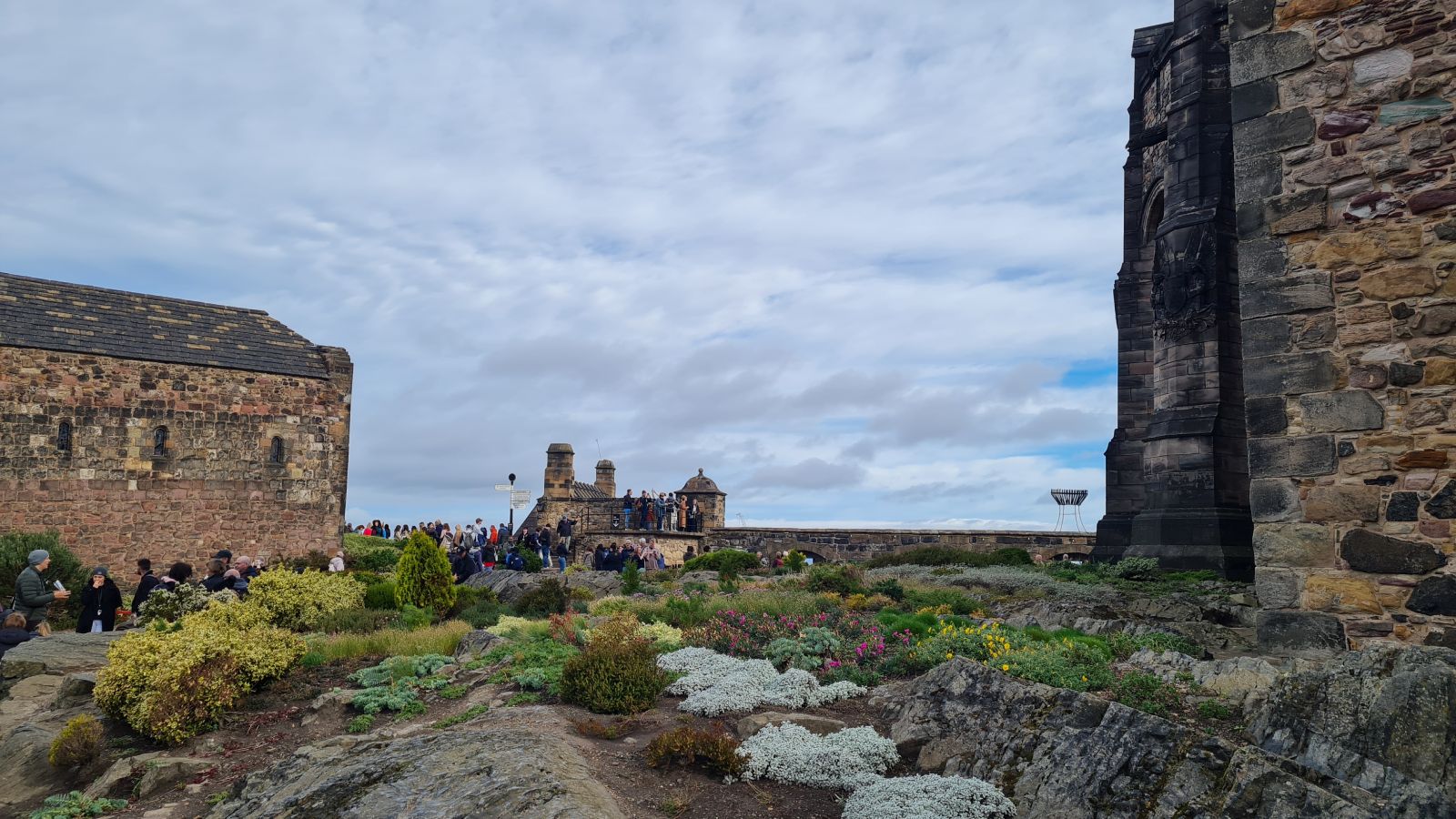
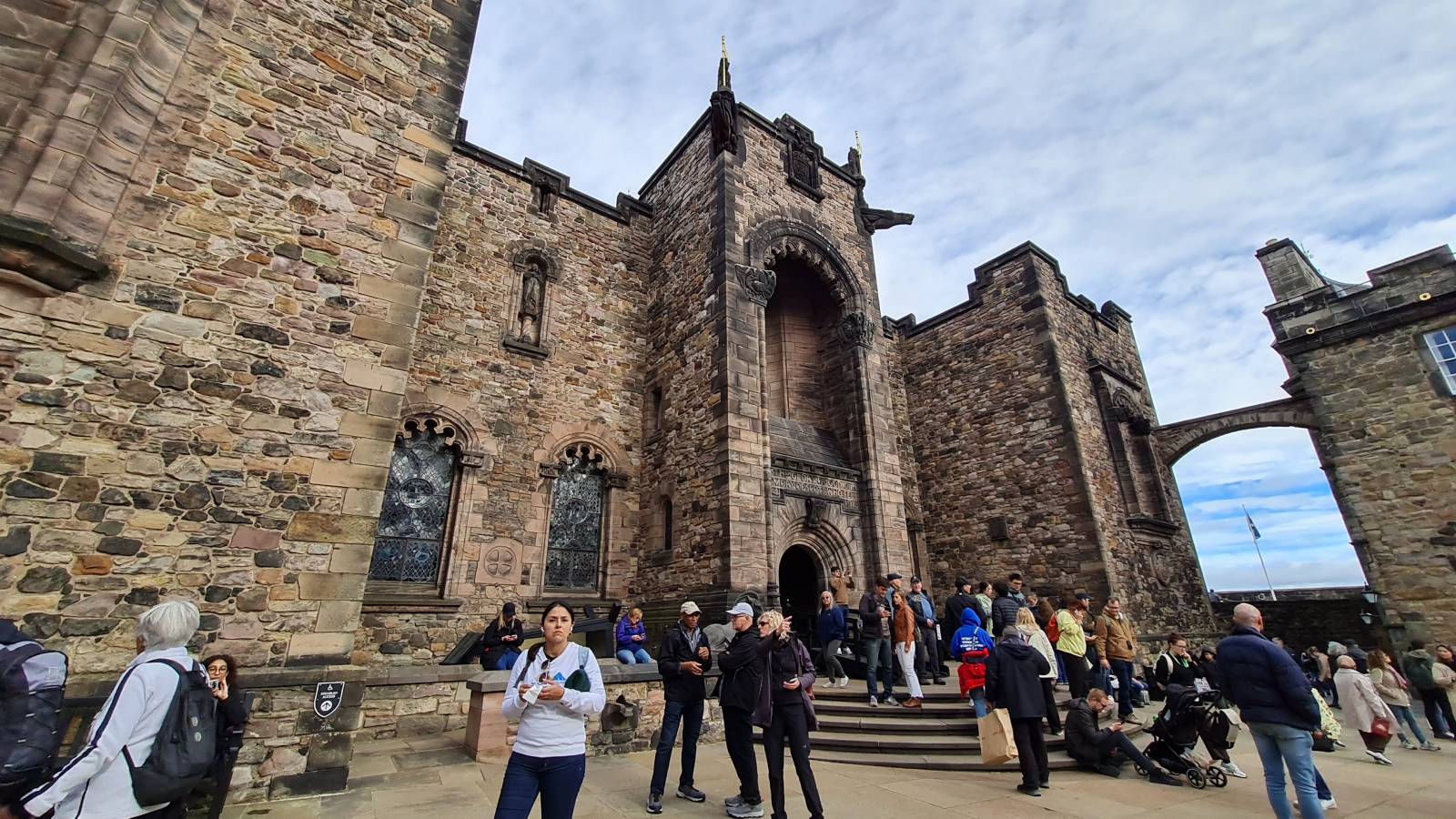
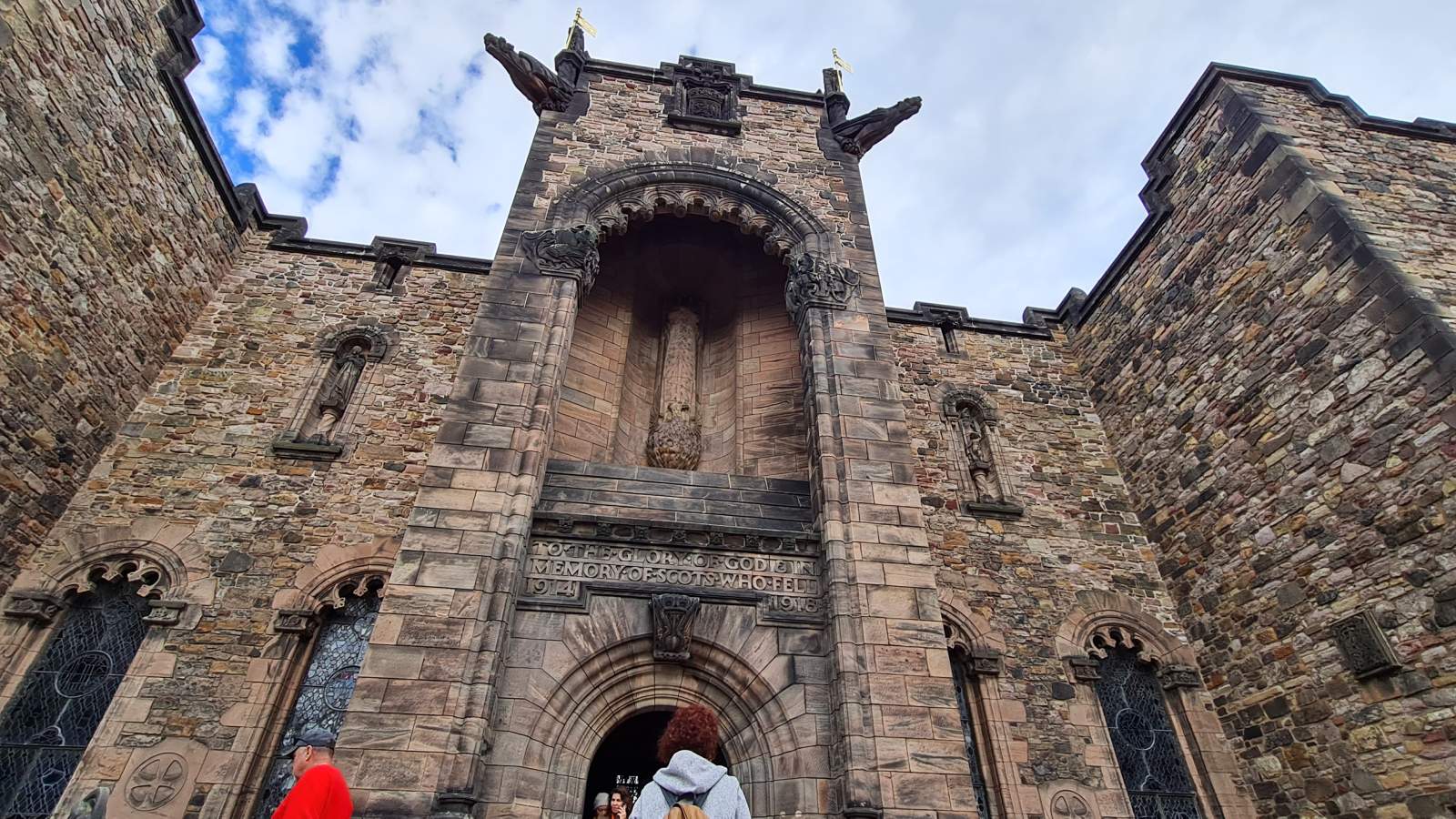
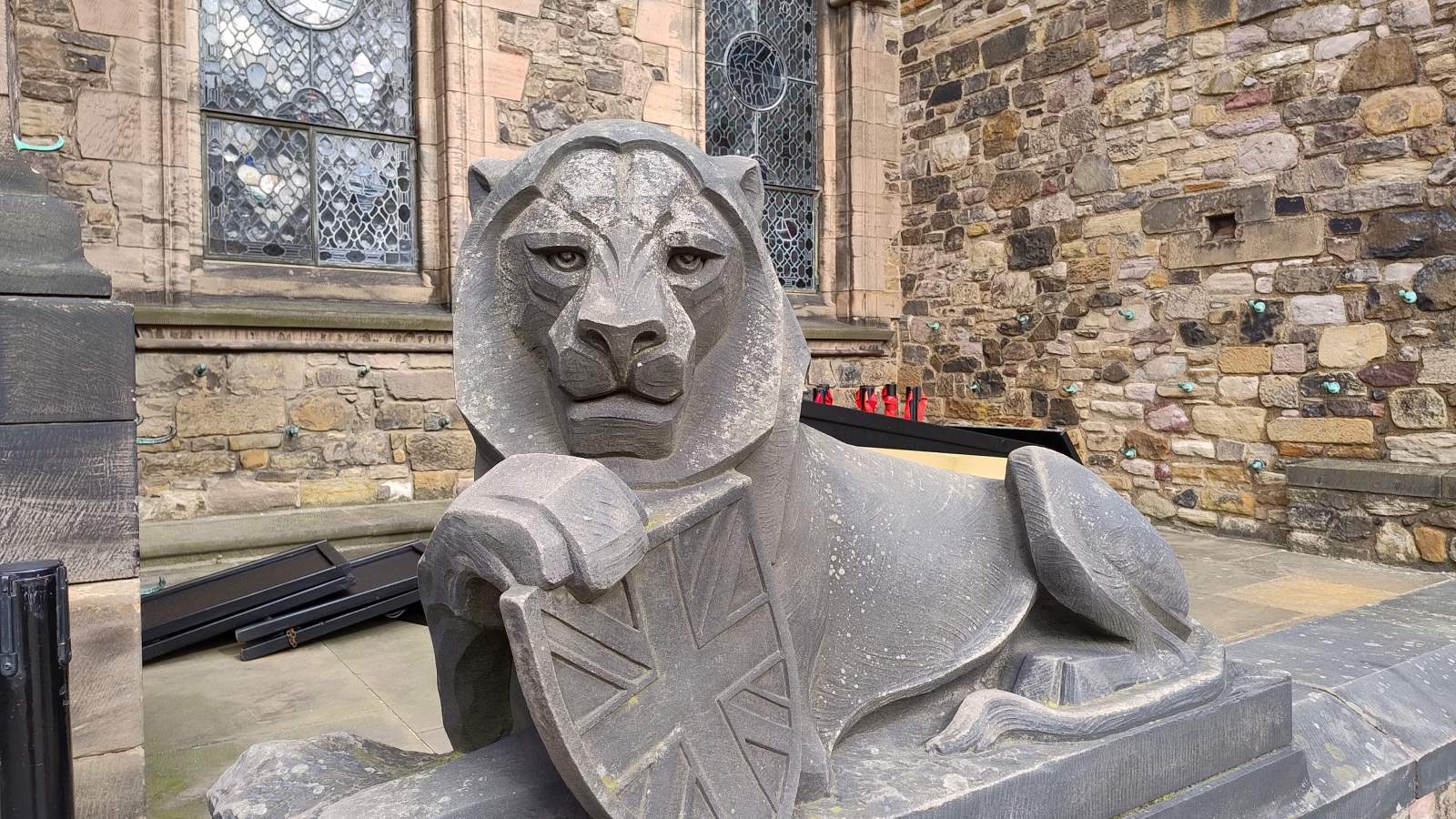
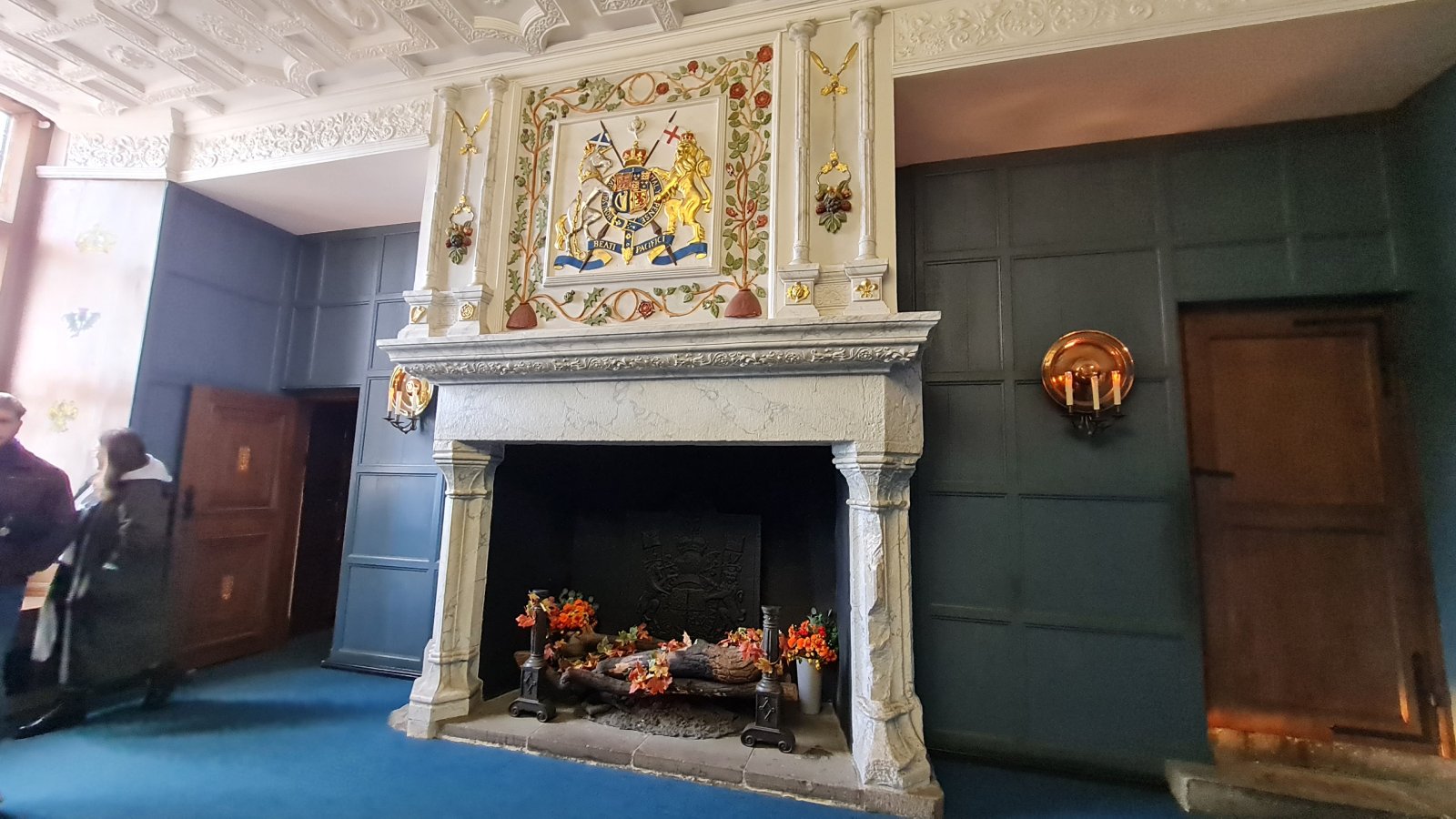
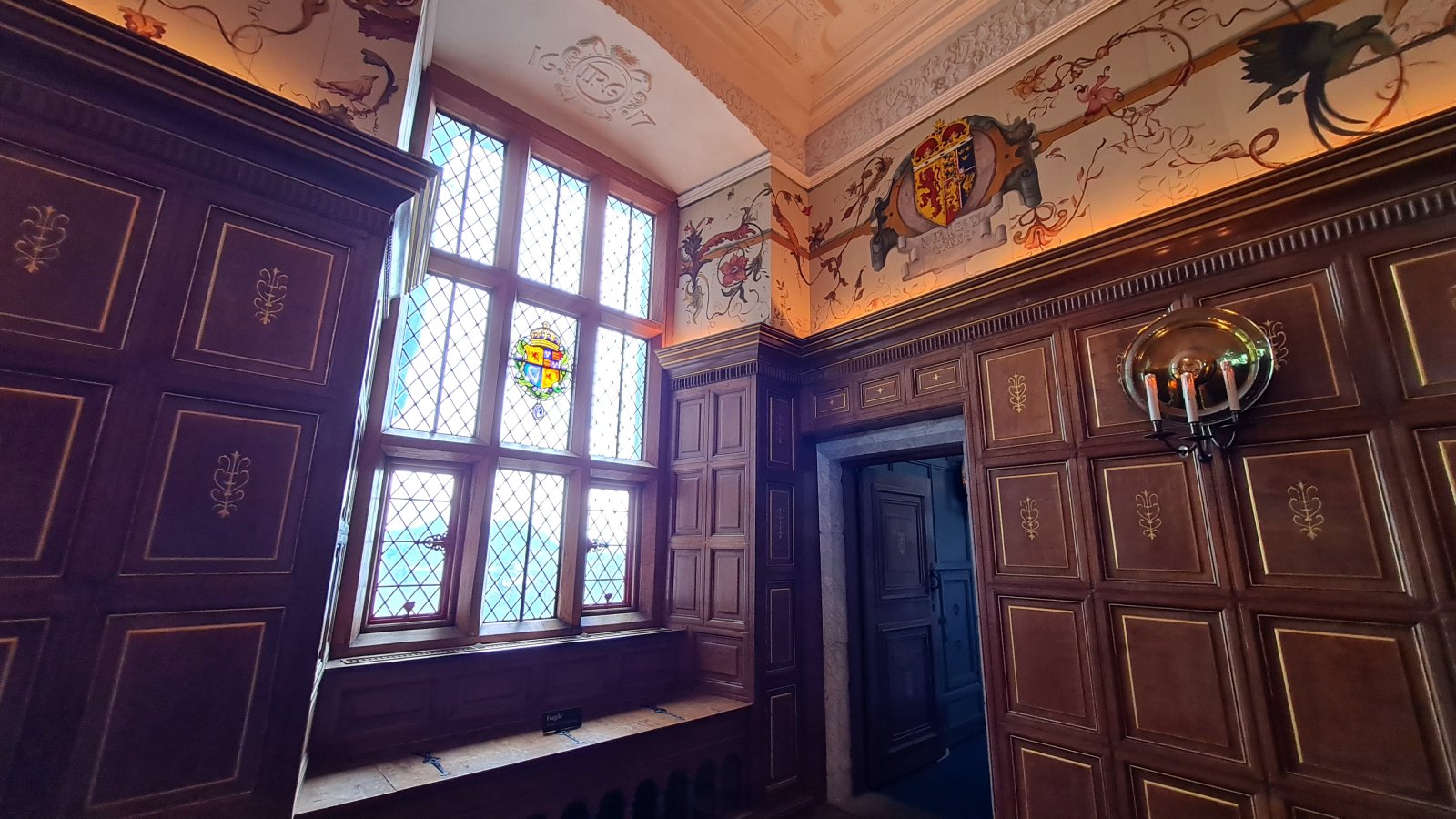
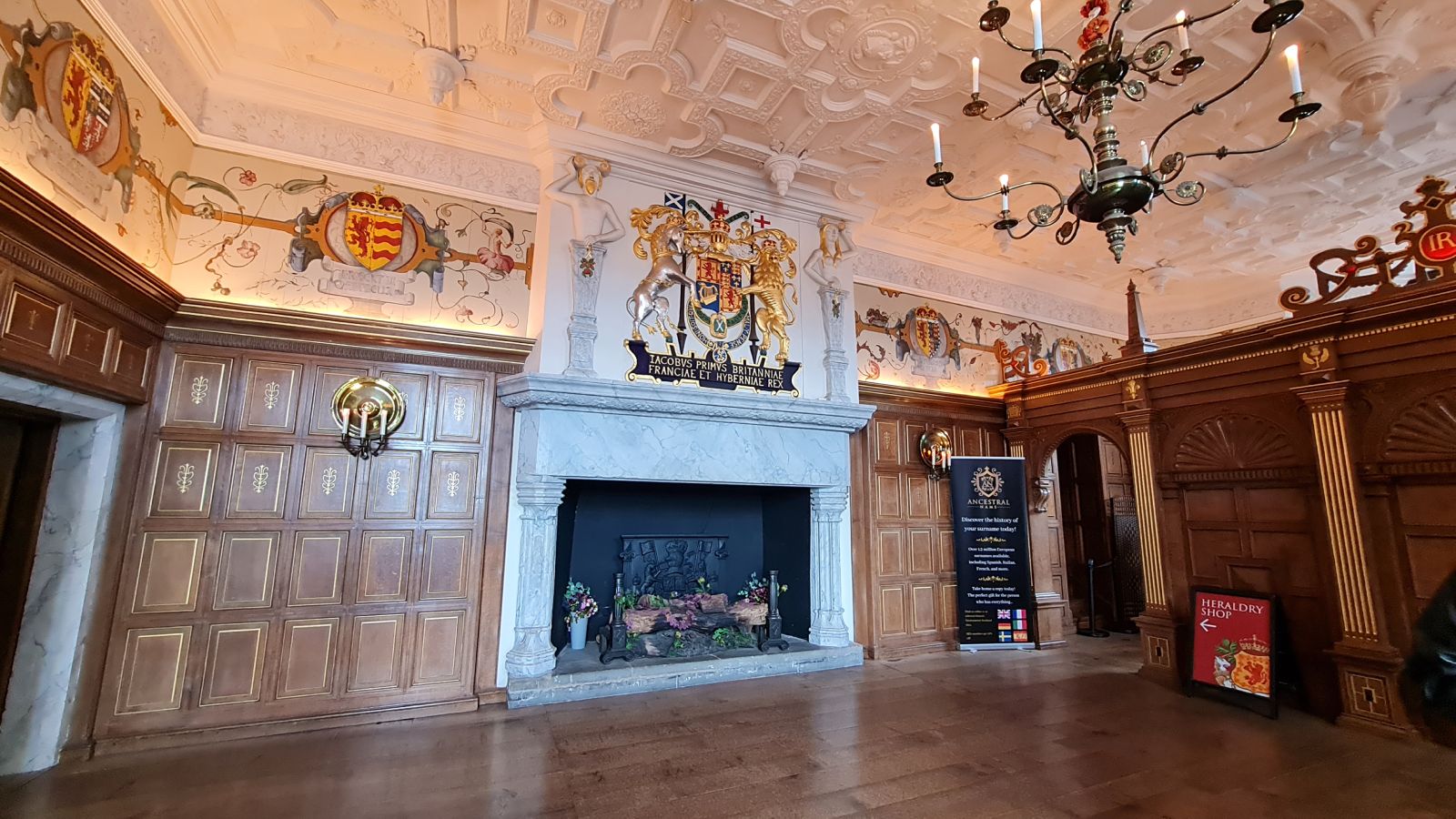
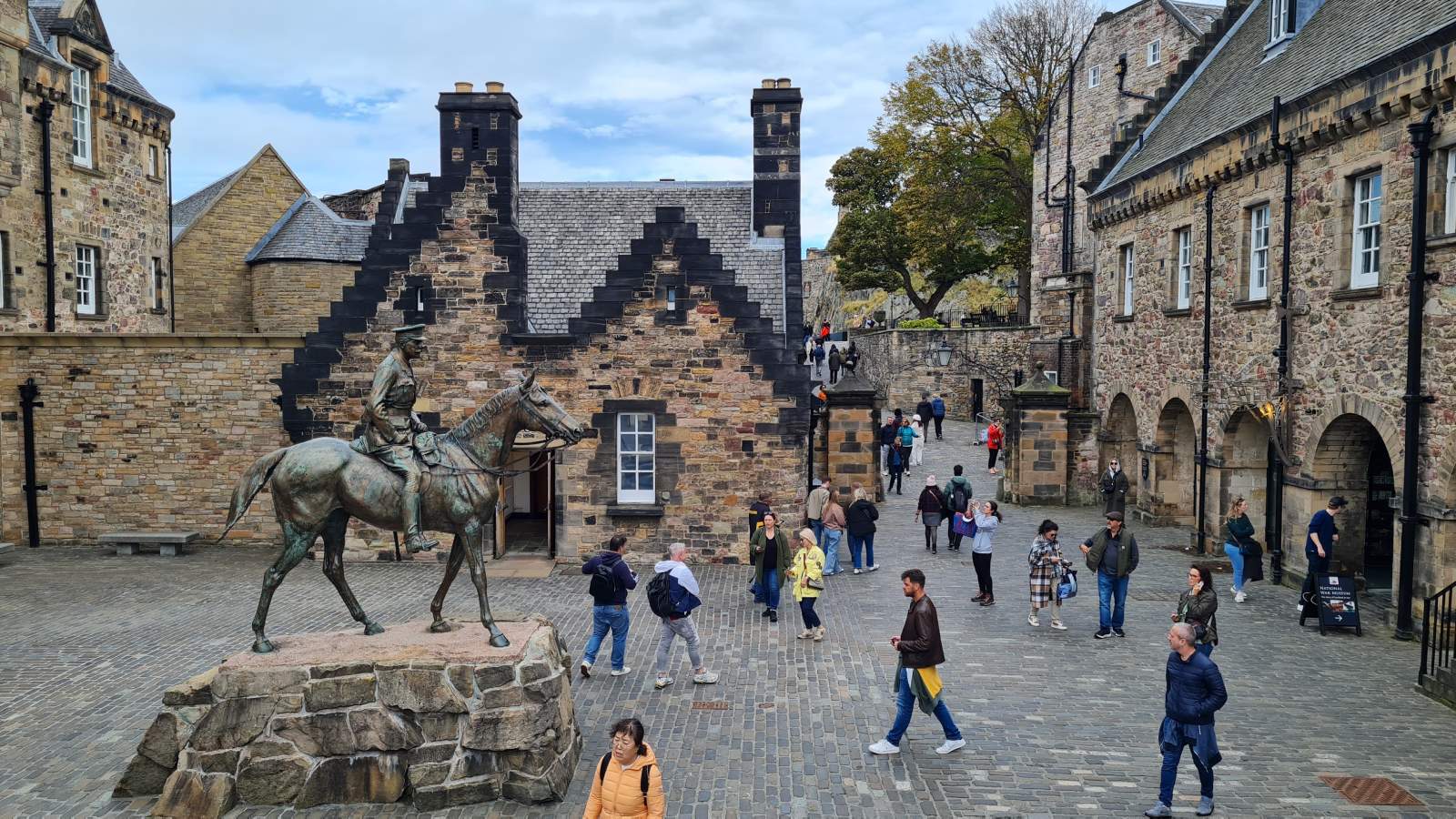
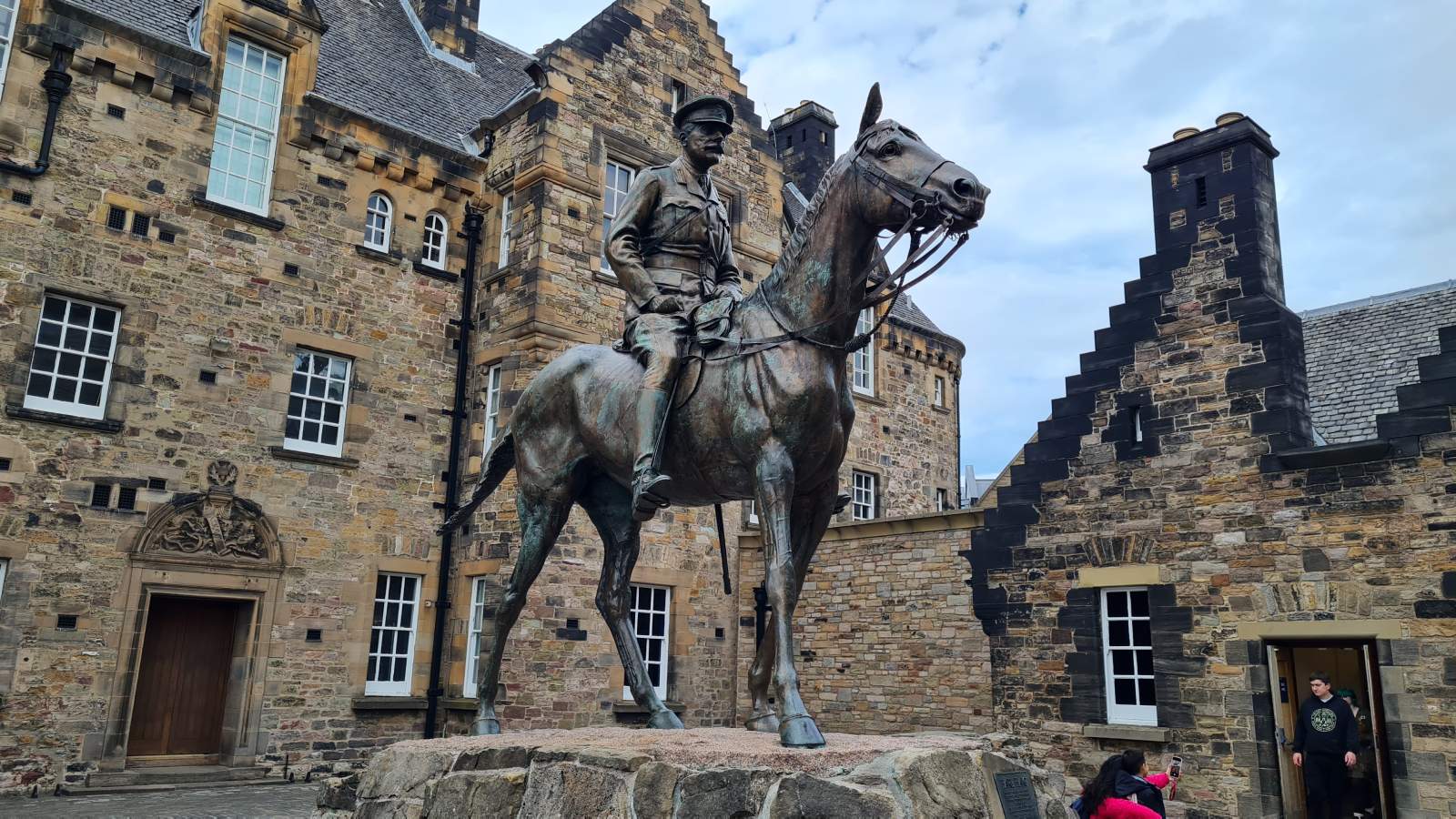
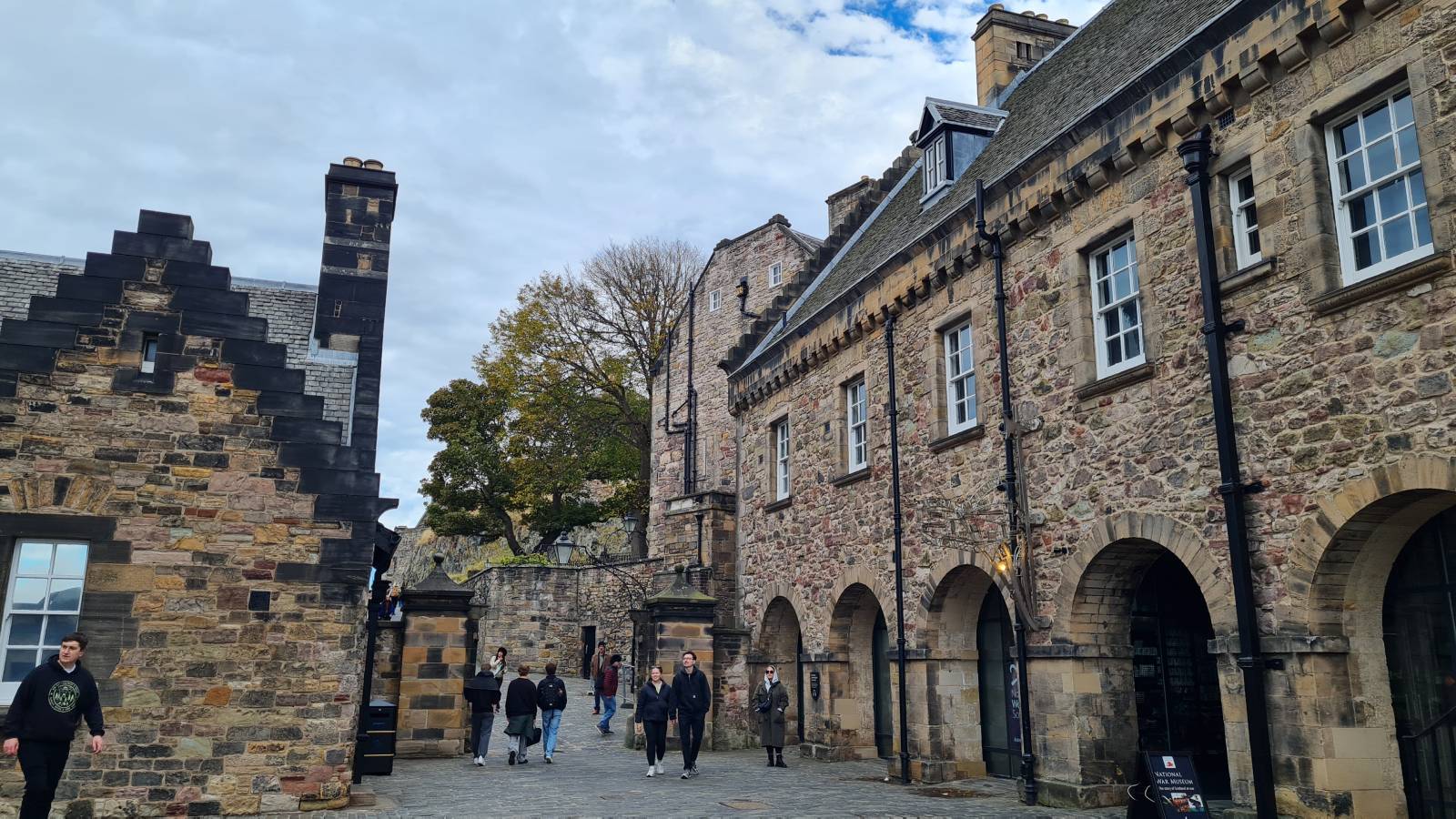
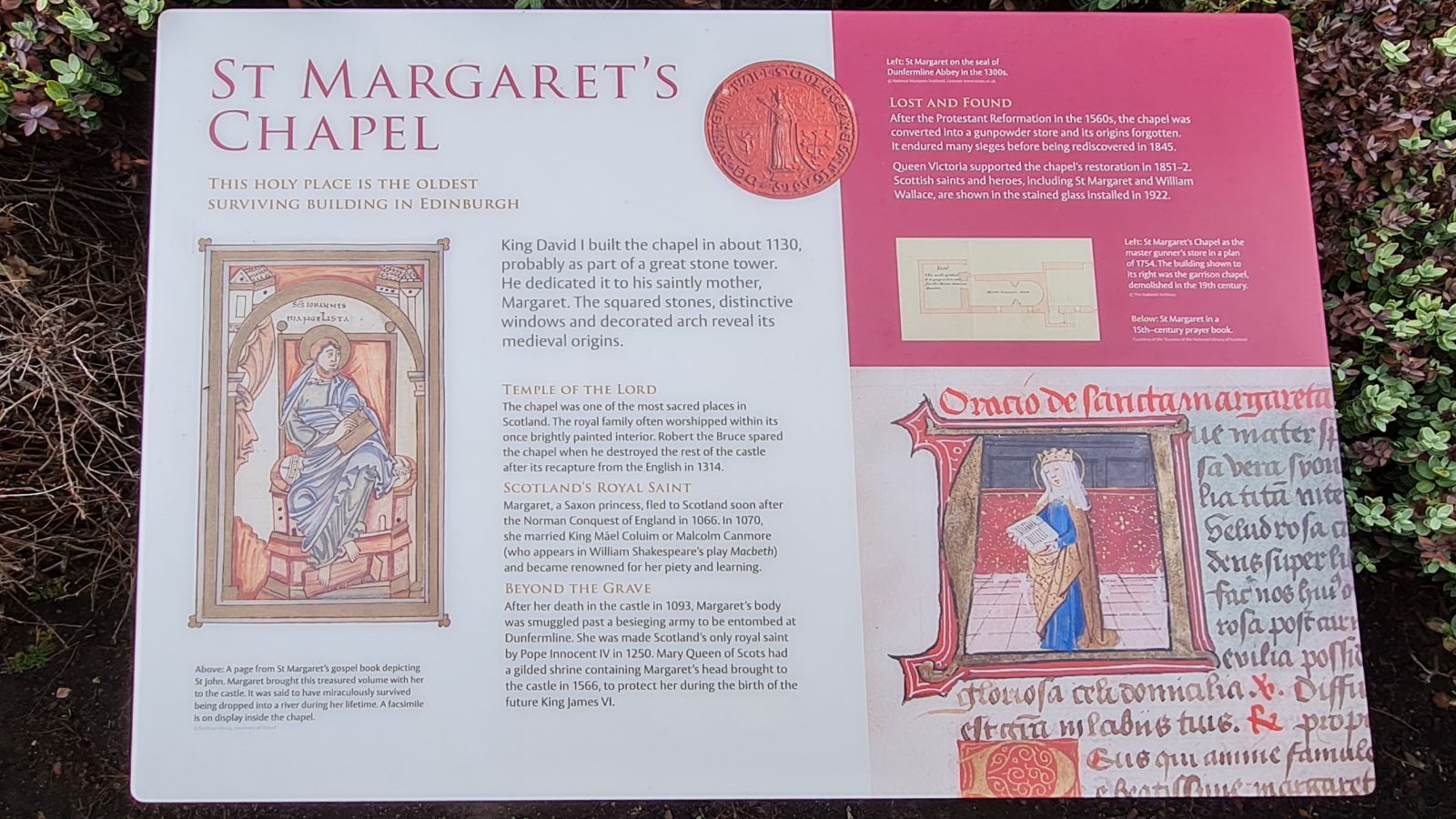
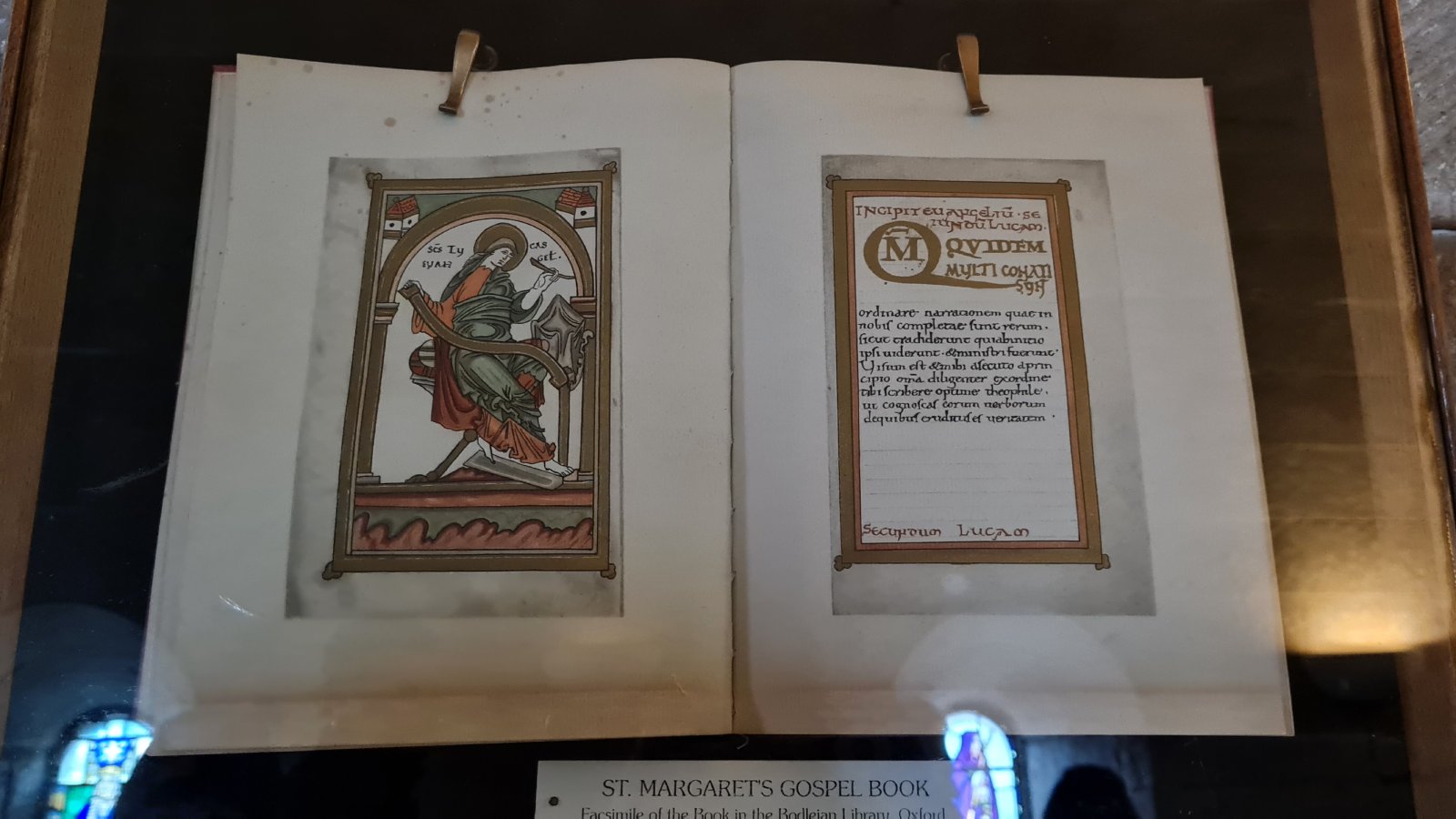
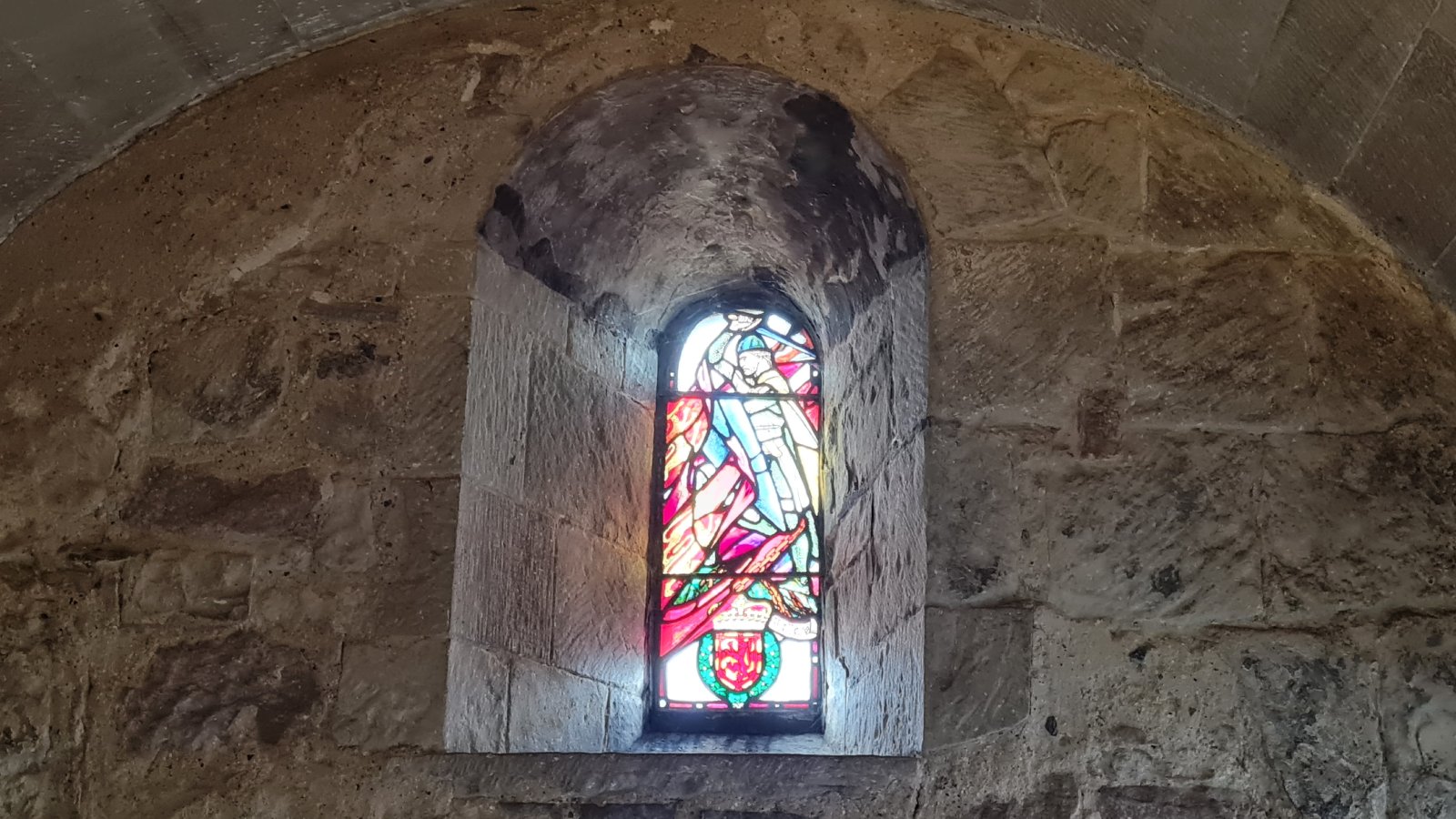
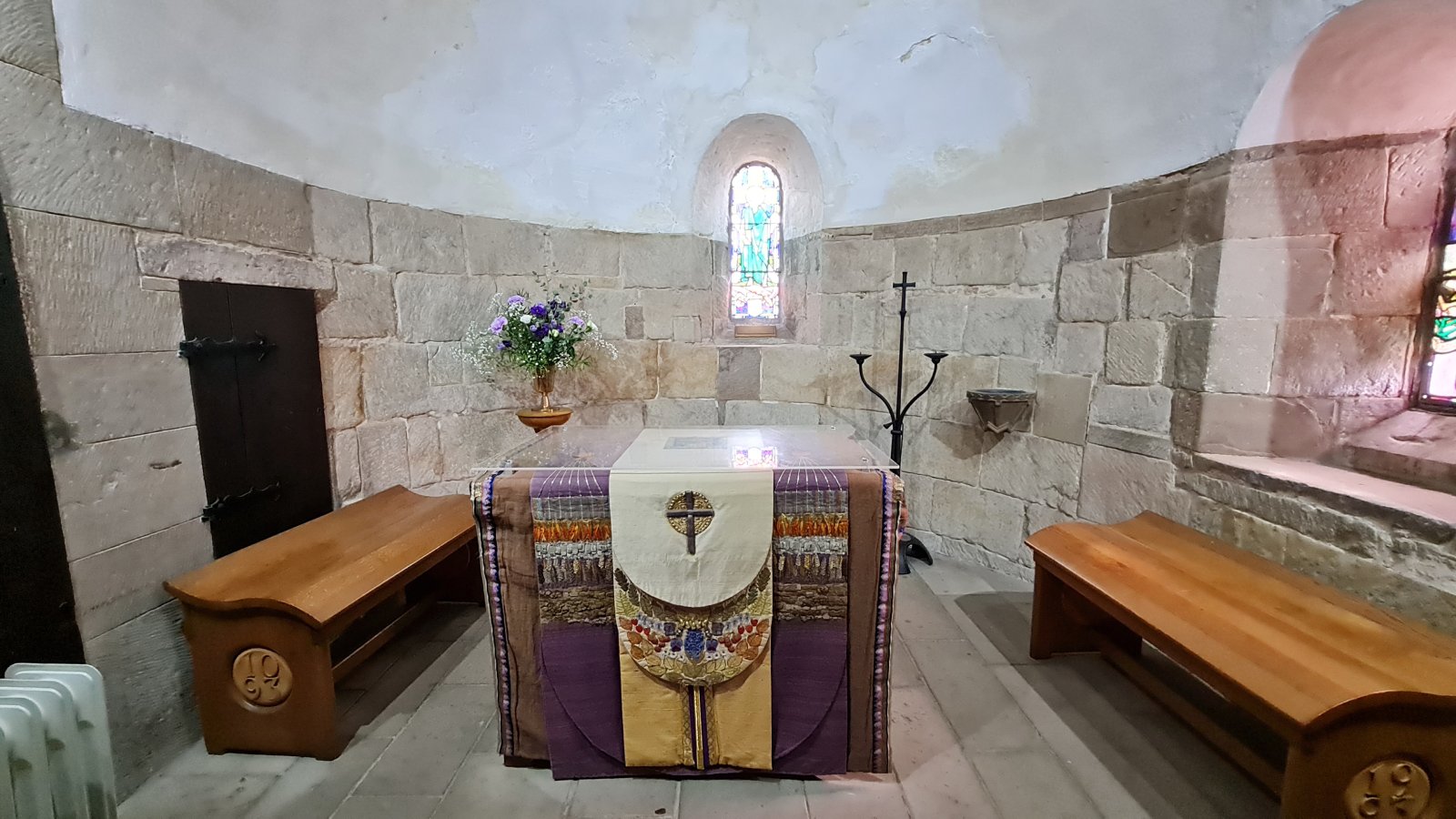
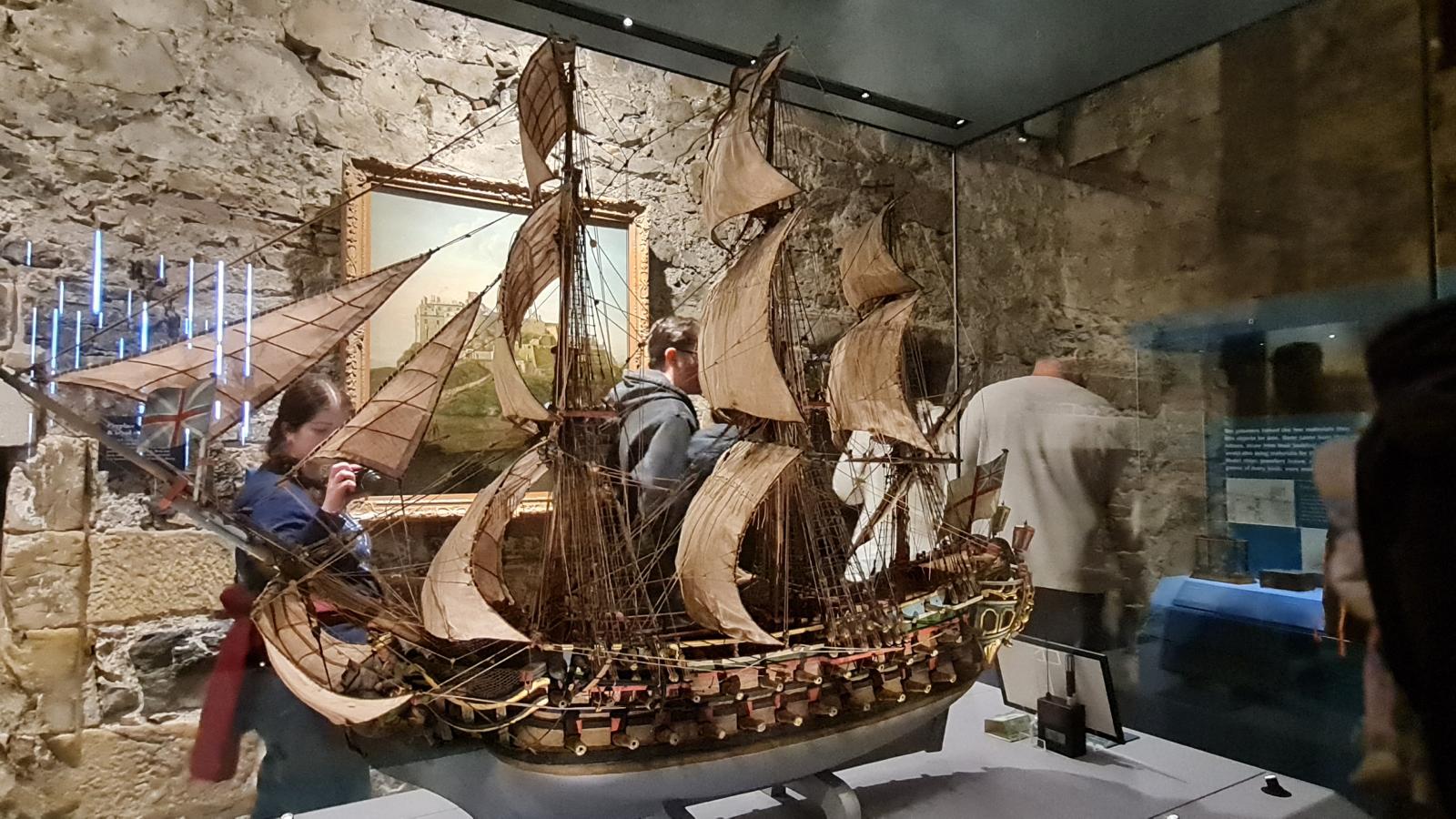
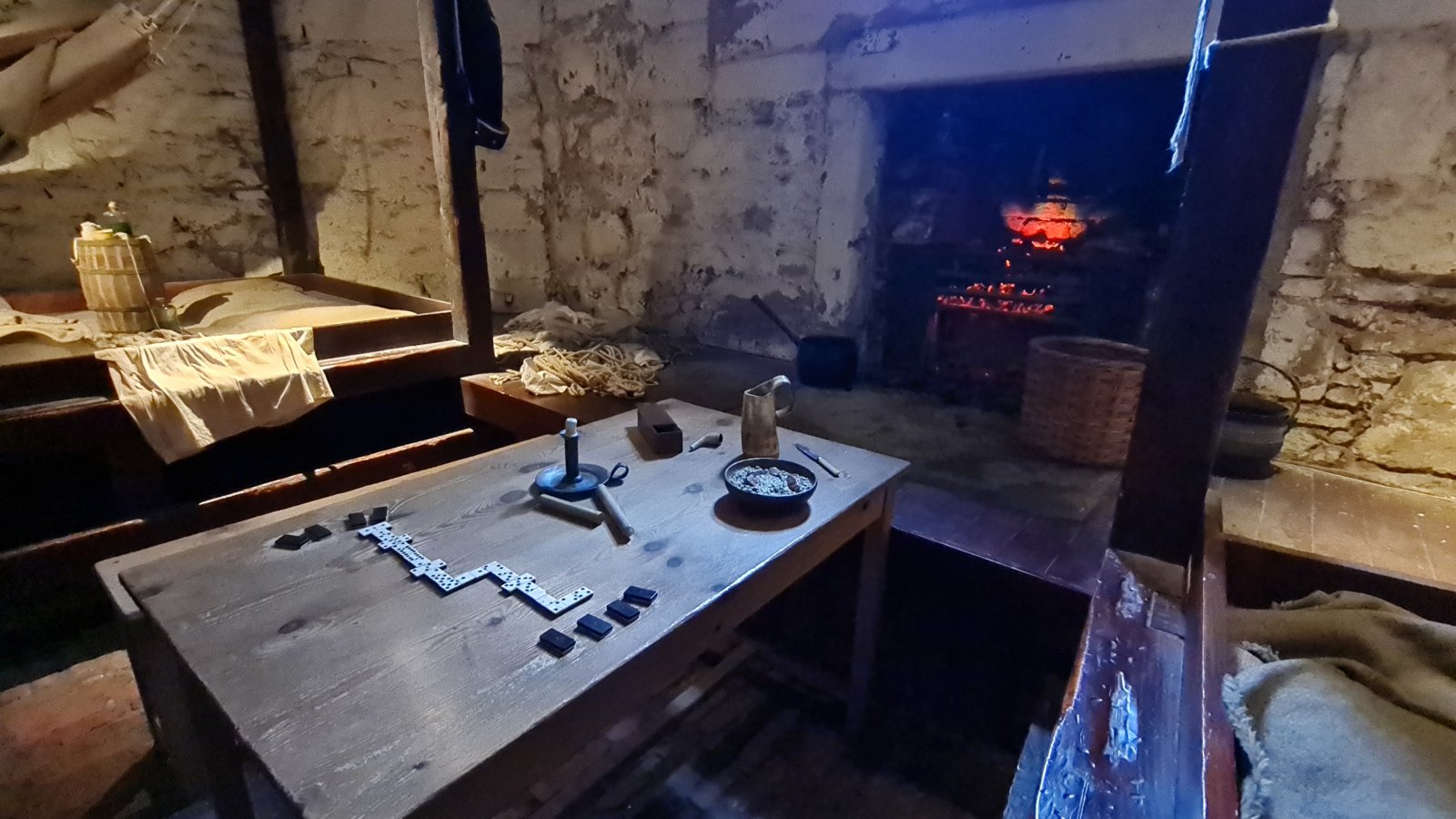
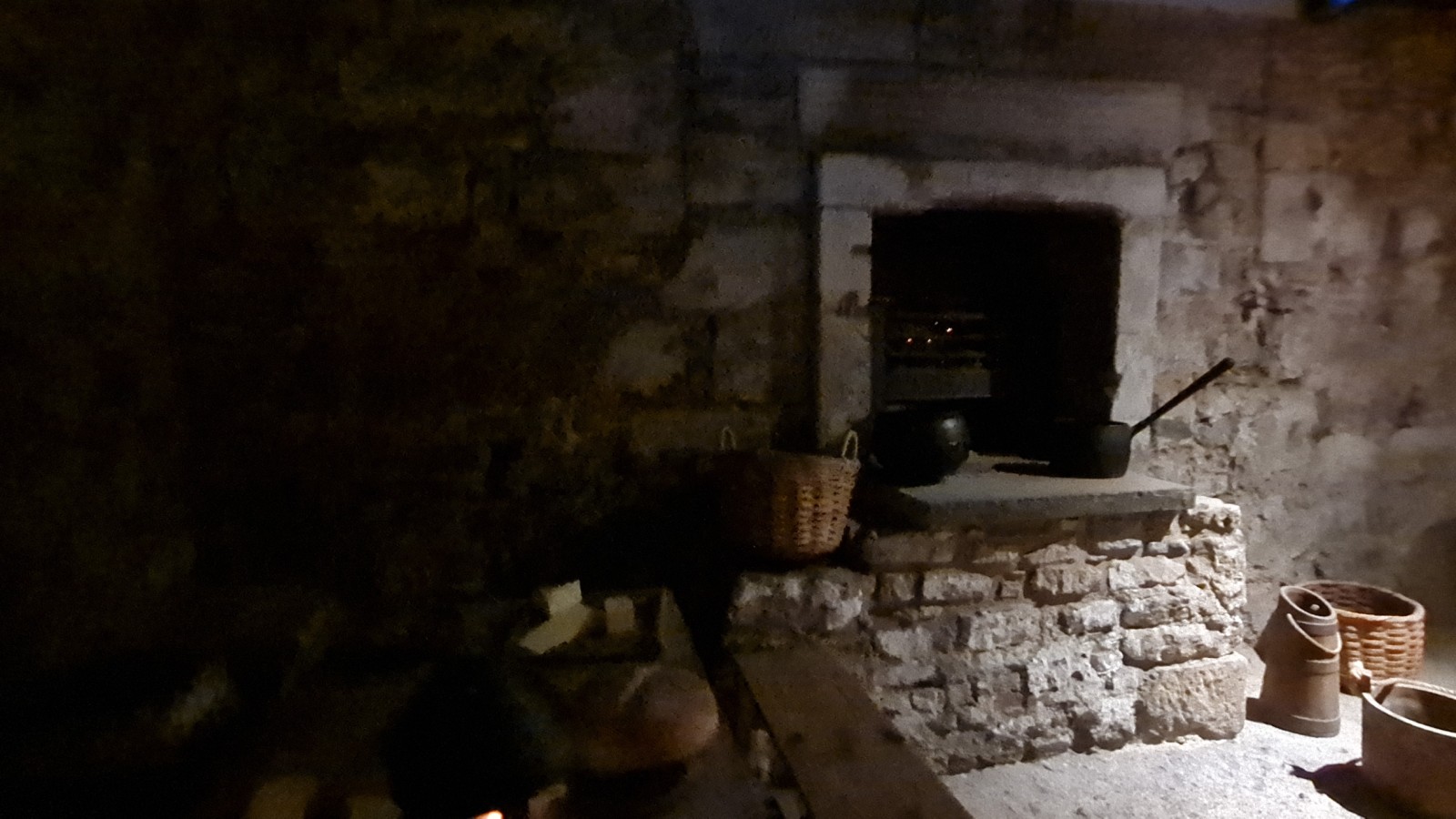
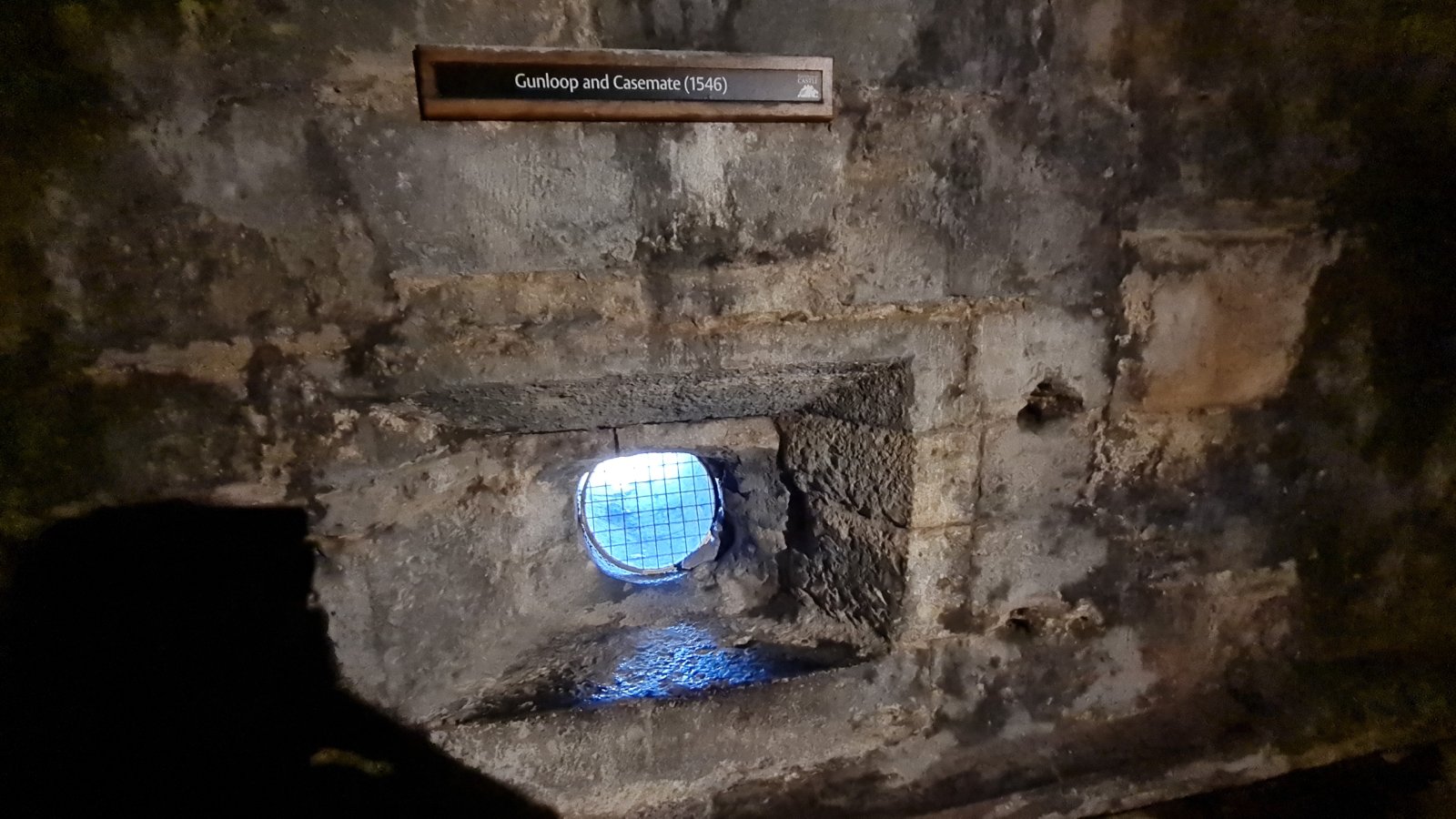
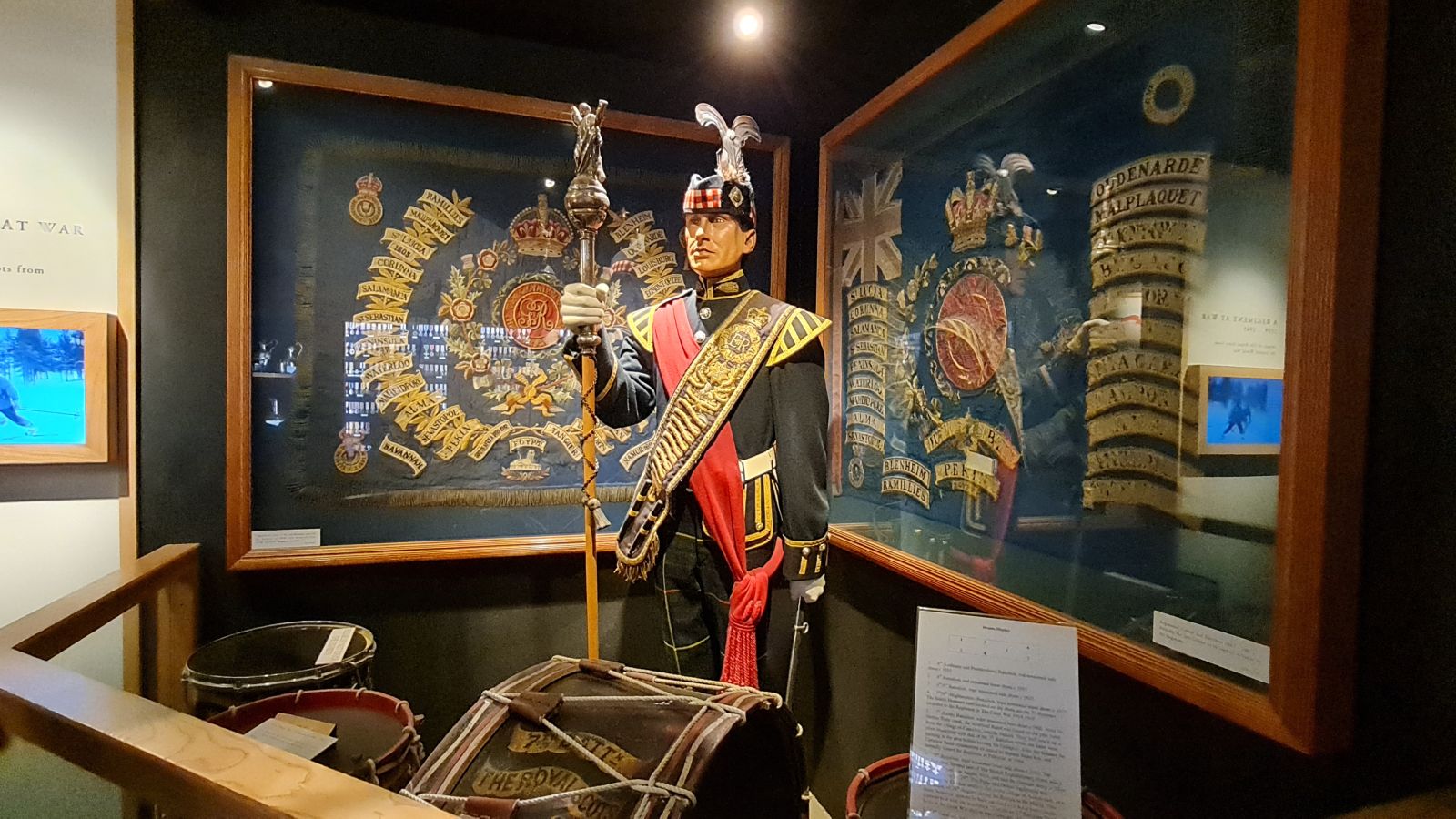
The below gallery shows a mix of photos from around the castle grounds, followed by photos of St Mary’s Chapel which dates back to about 1130 and is the oldest building in Edinburgh. There are also photos from the vaults beneath the castle where various prisoners of war have been held over the centuries and the last photo is from one of the castle’s military museums.
I’d love to come back and see the Royal Edinburgh Military Tattoo some day on a future visit.