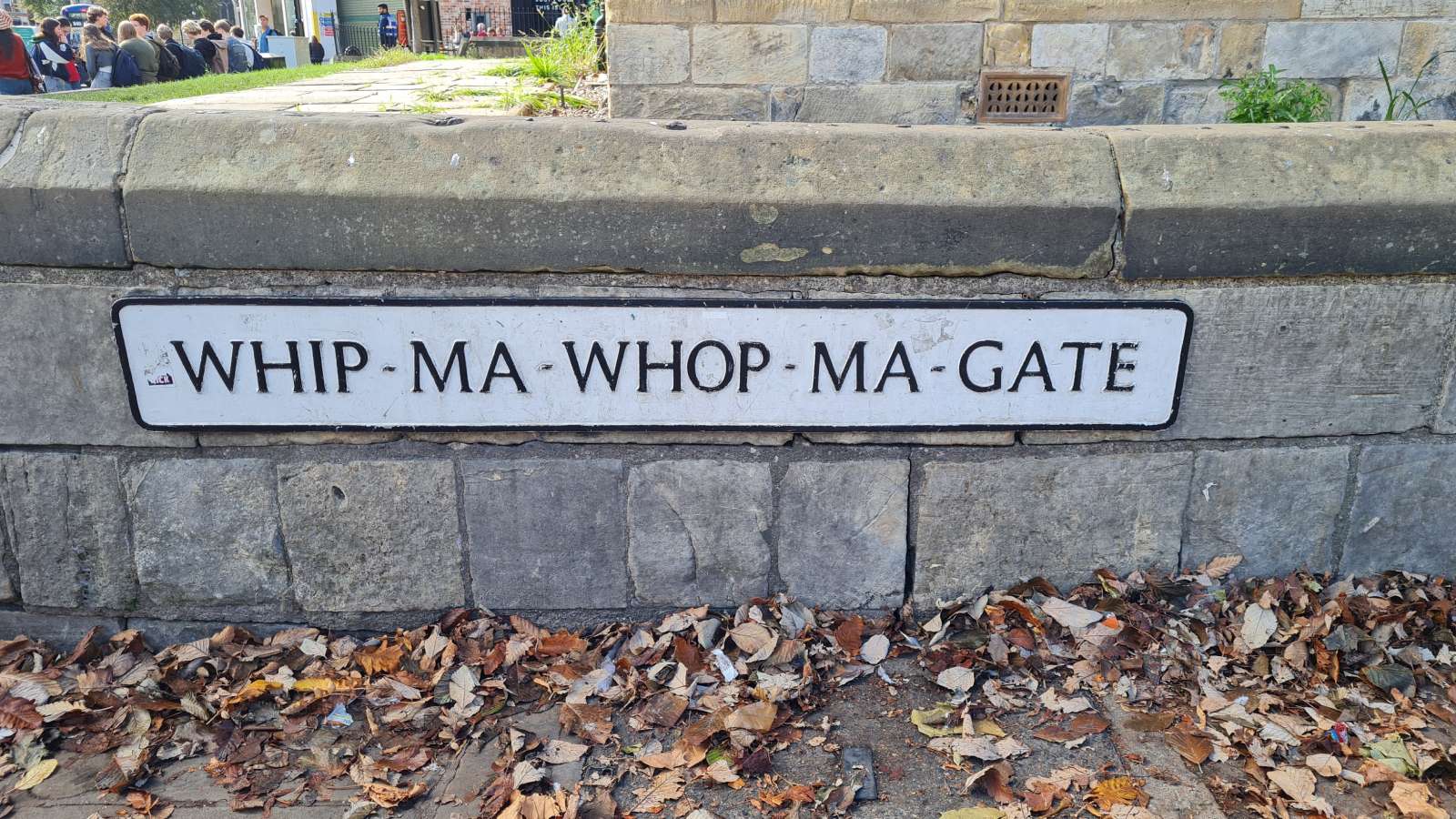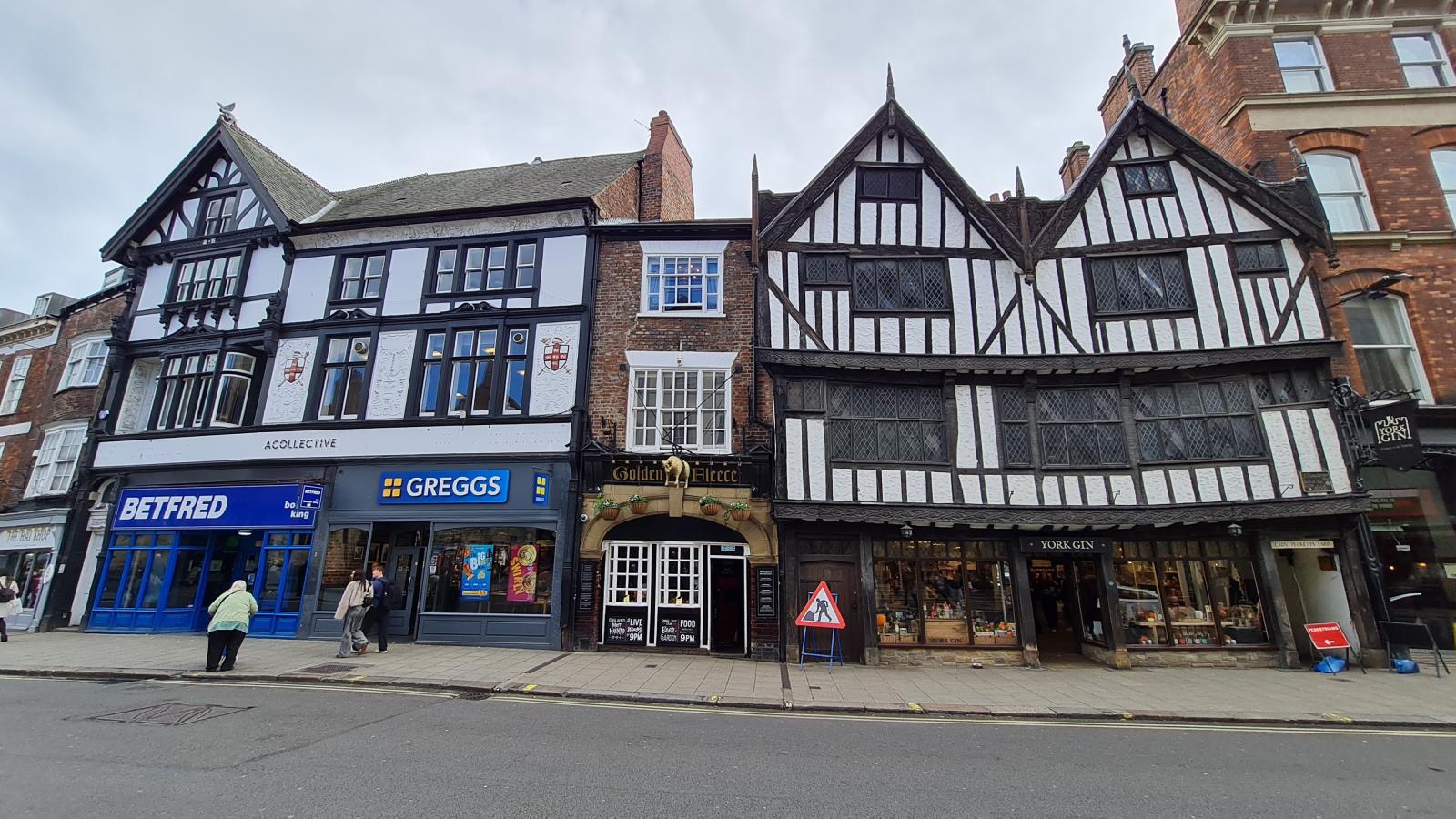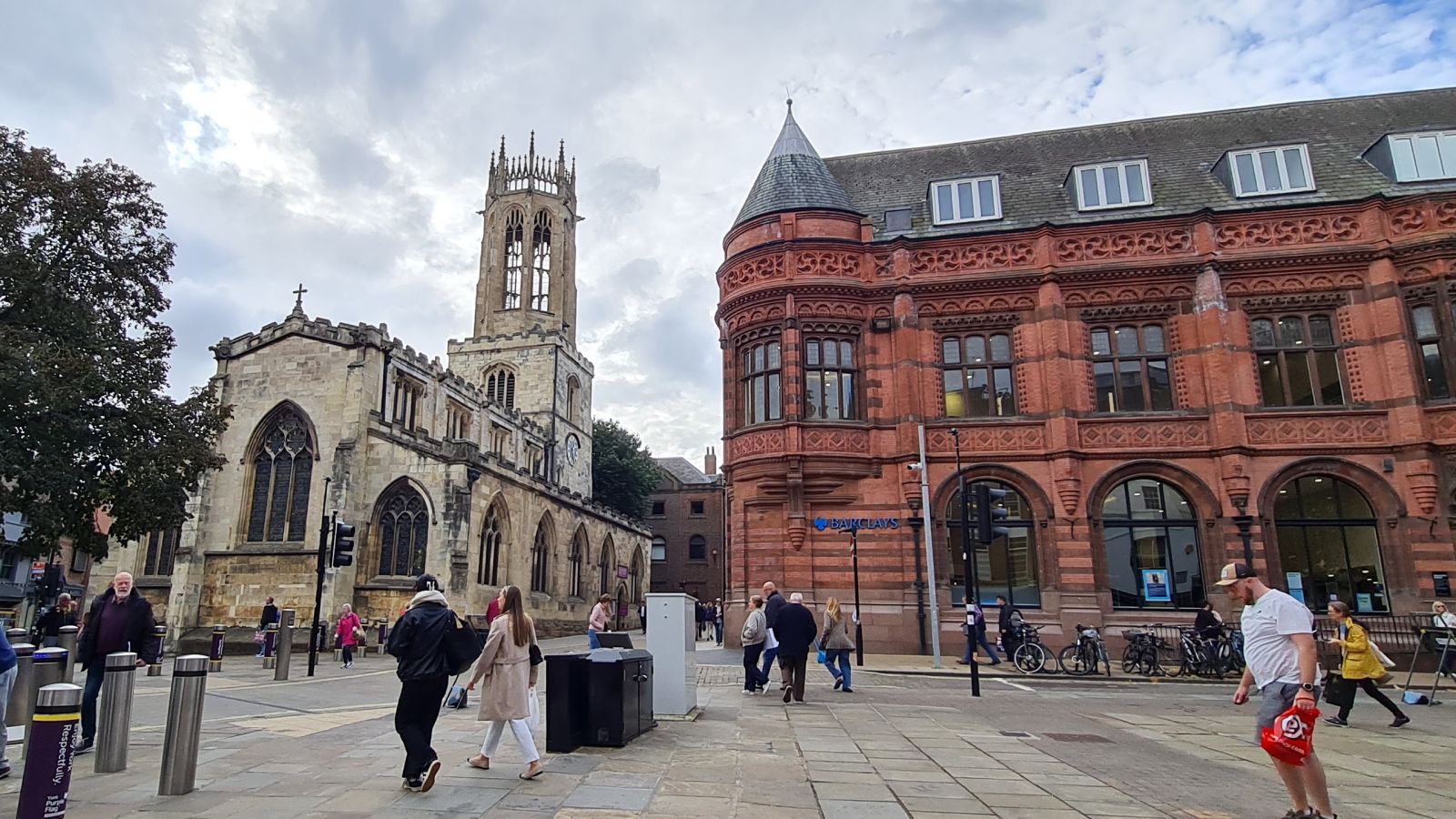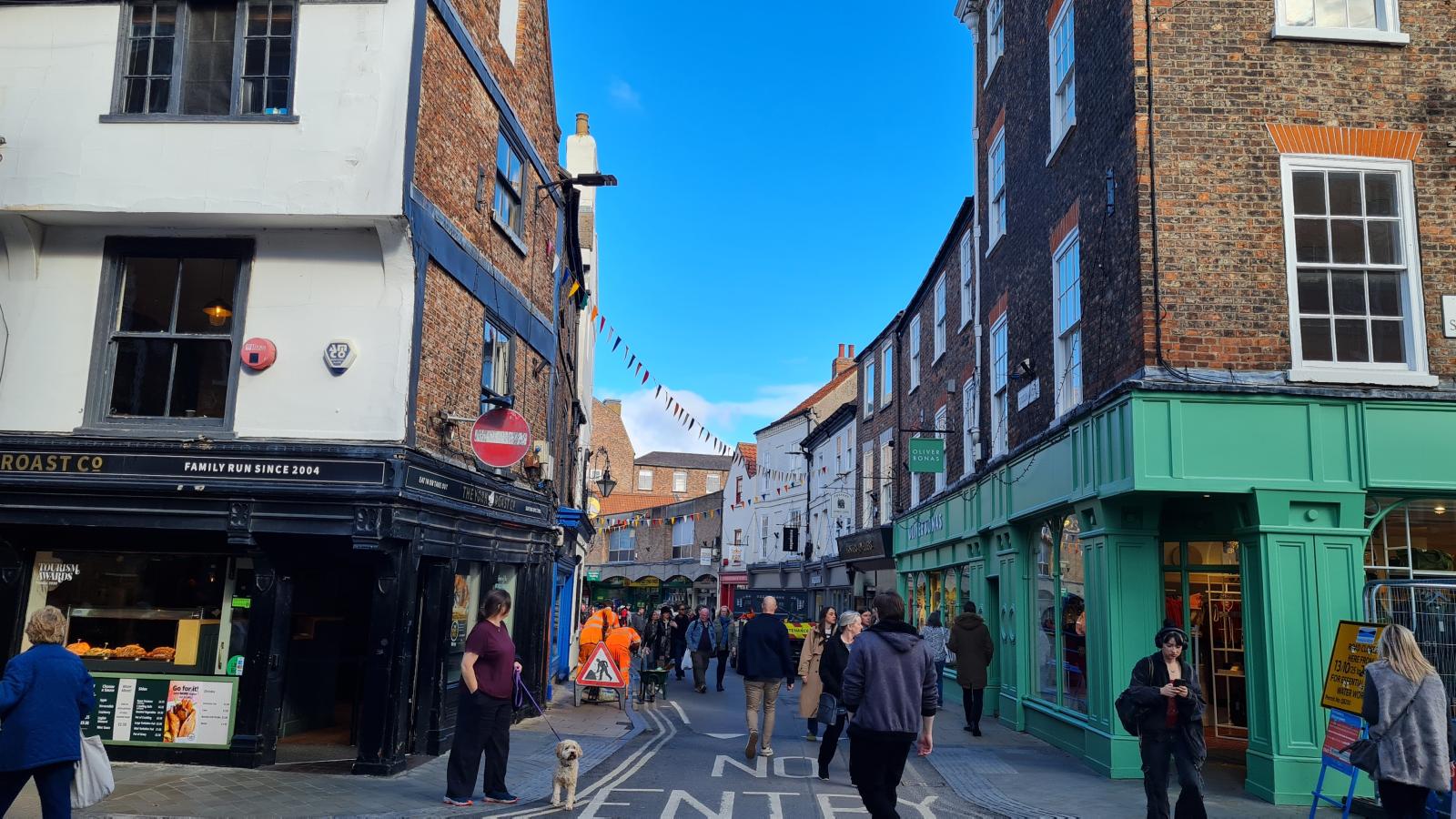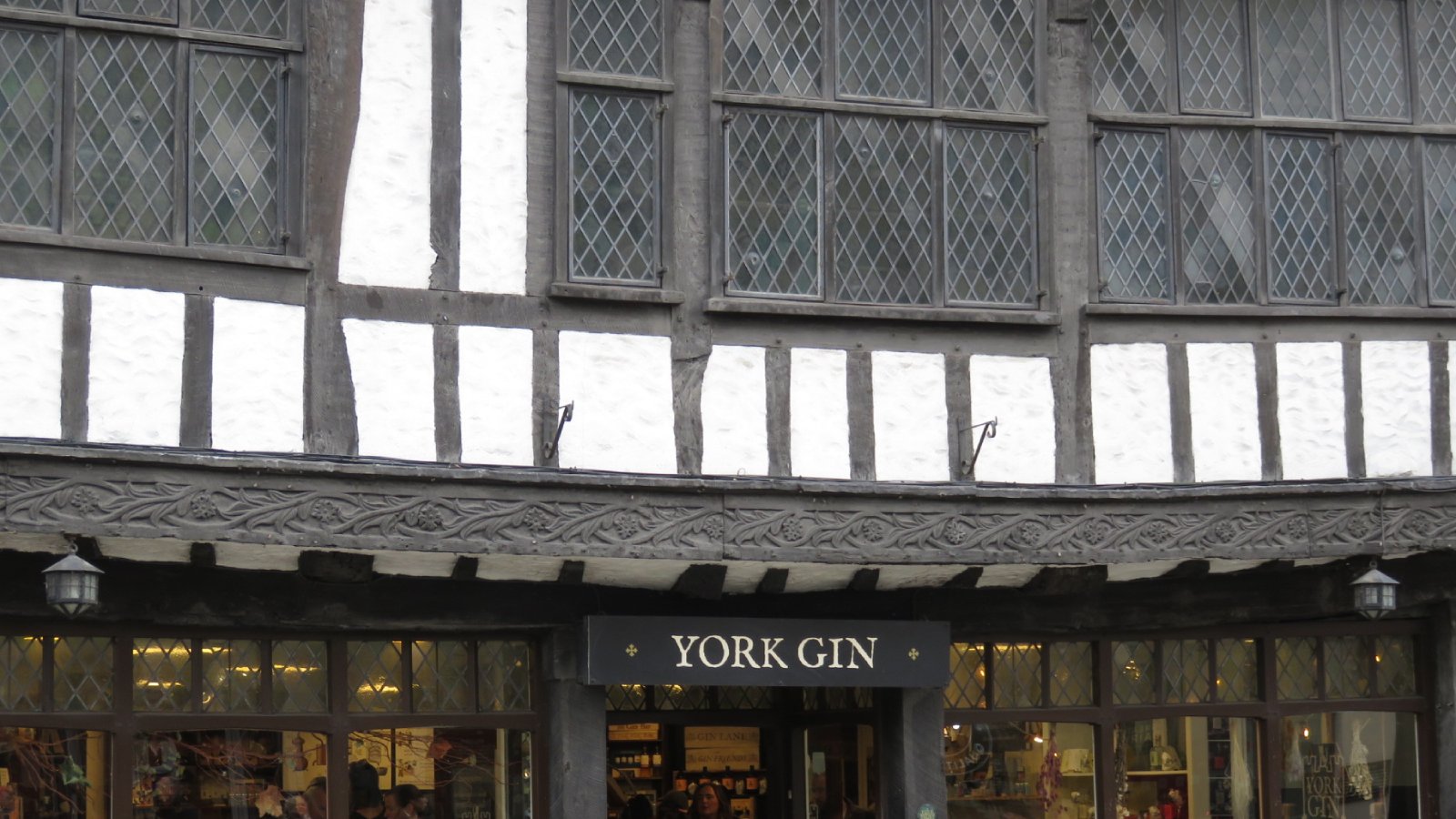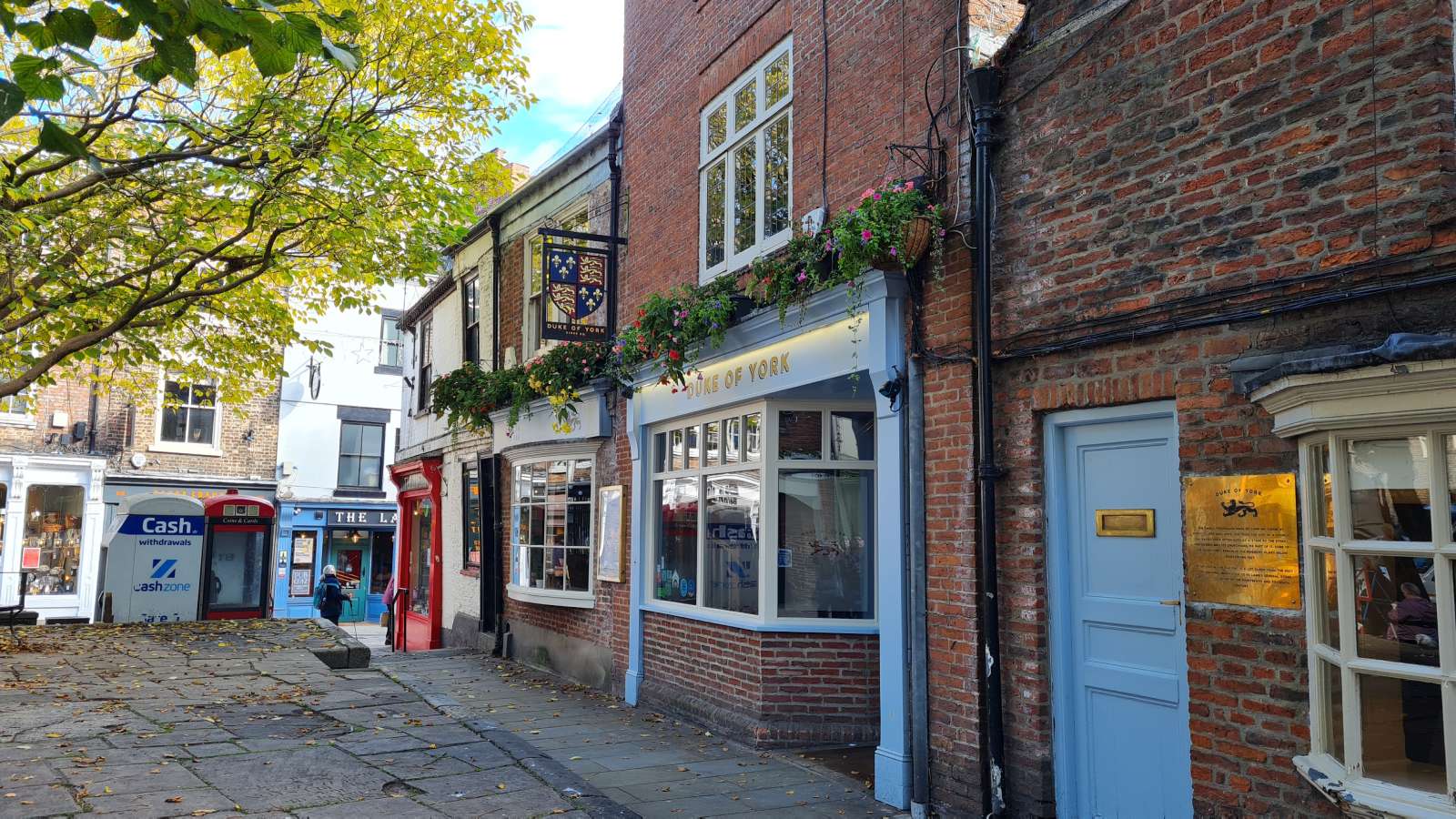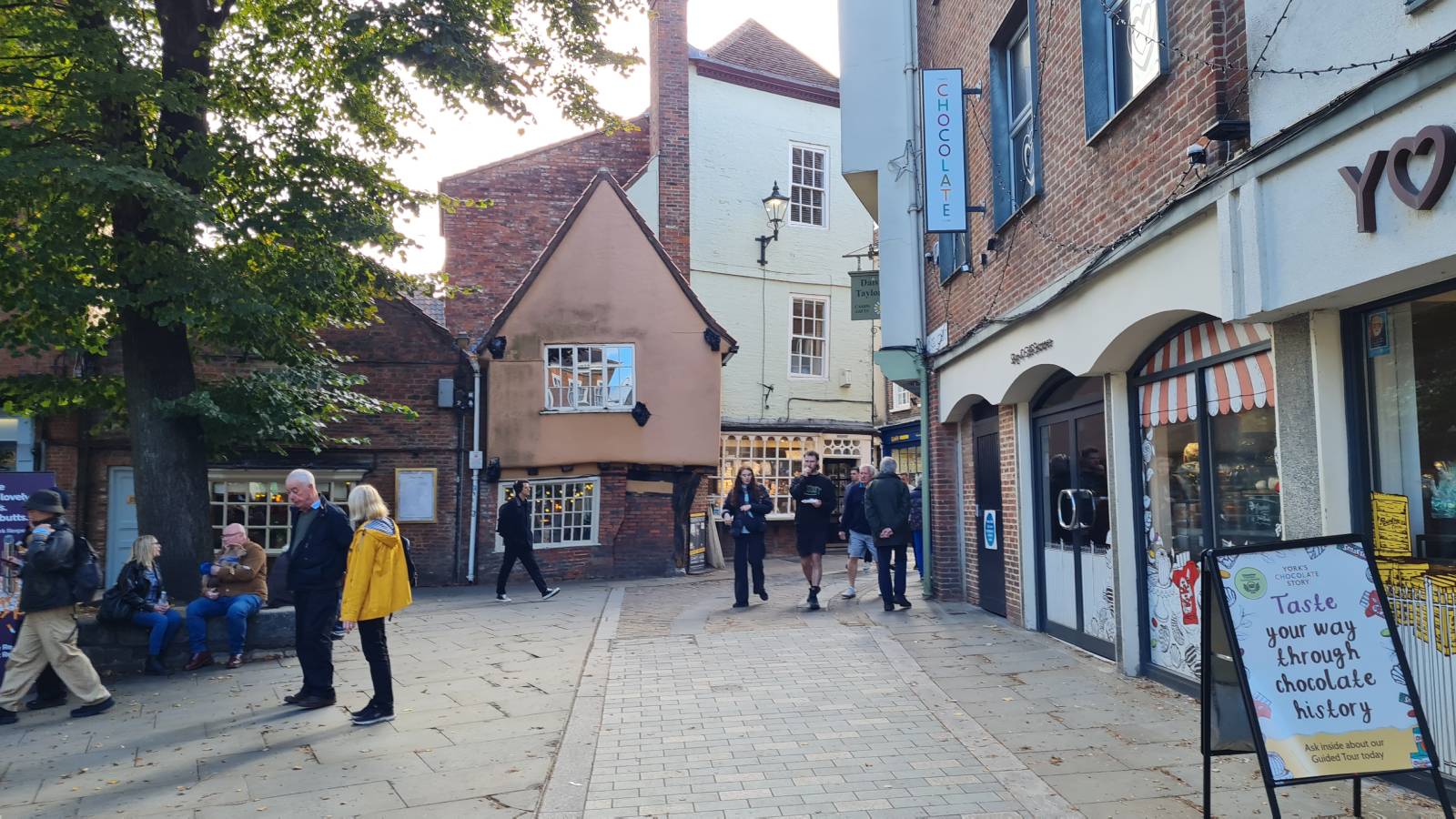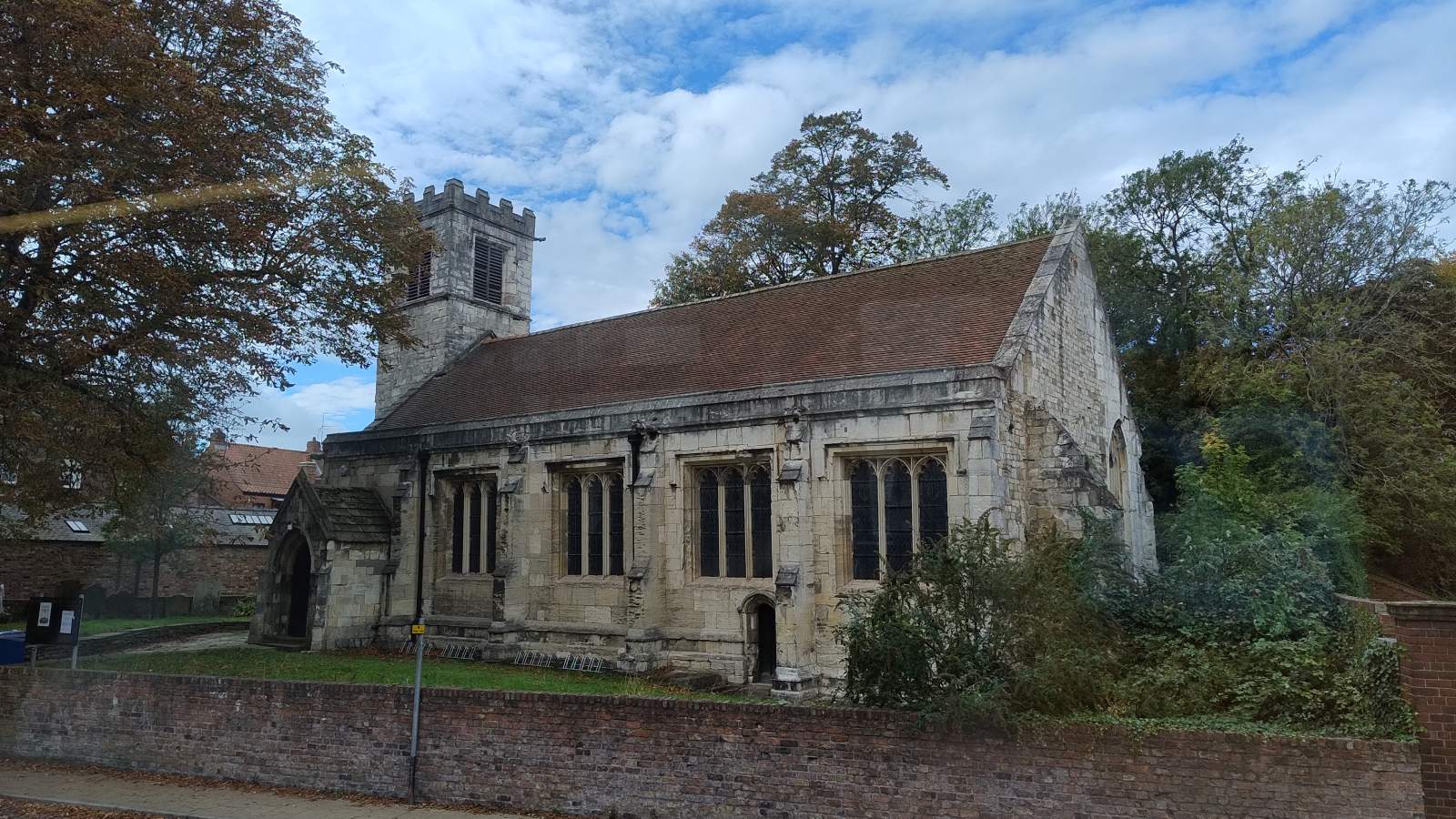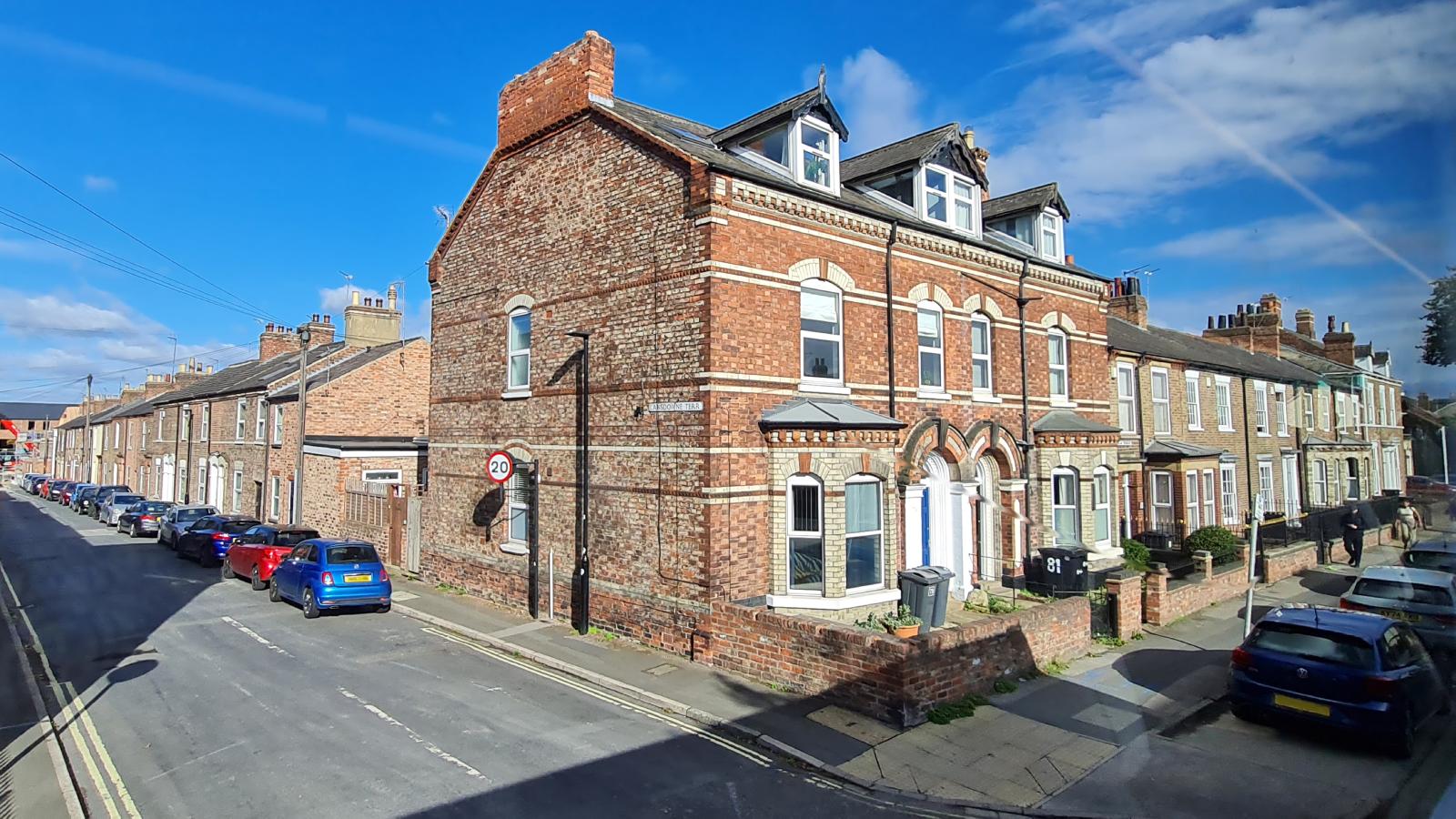
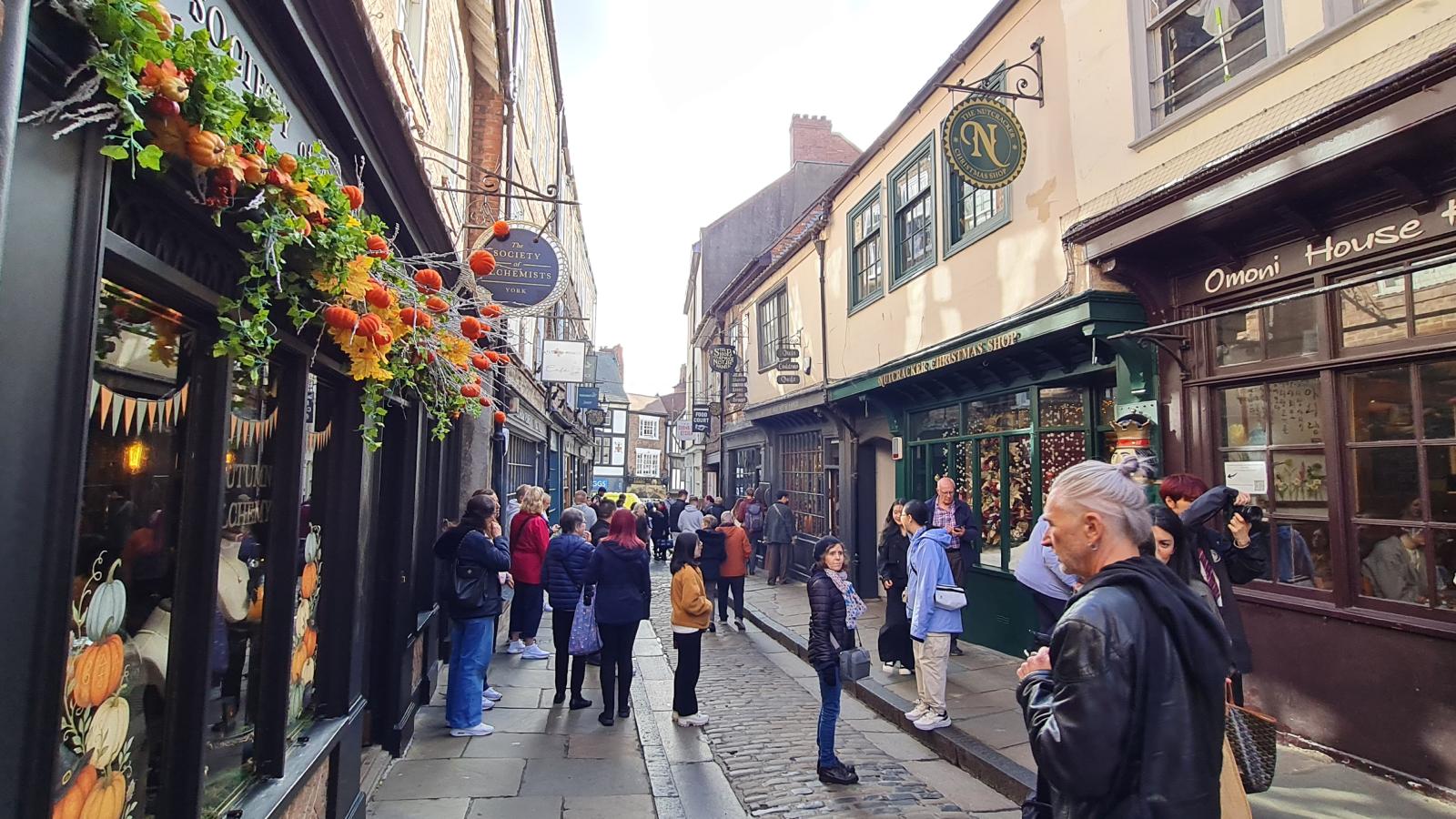
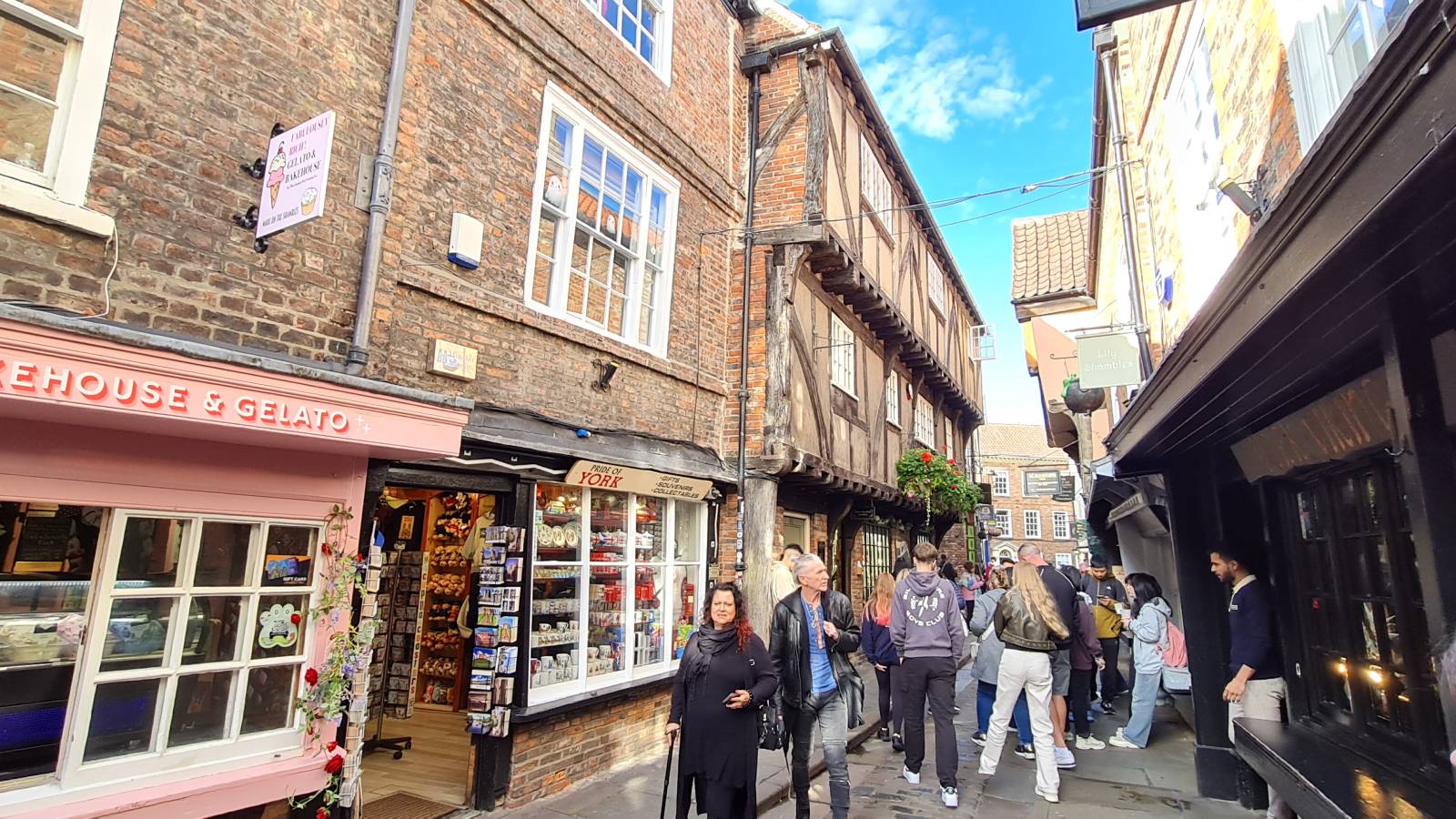
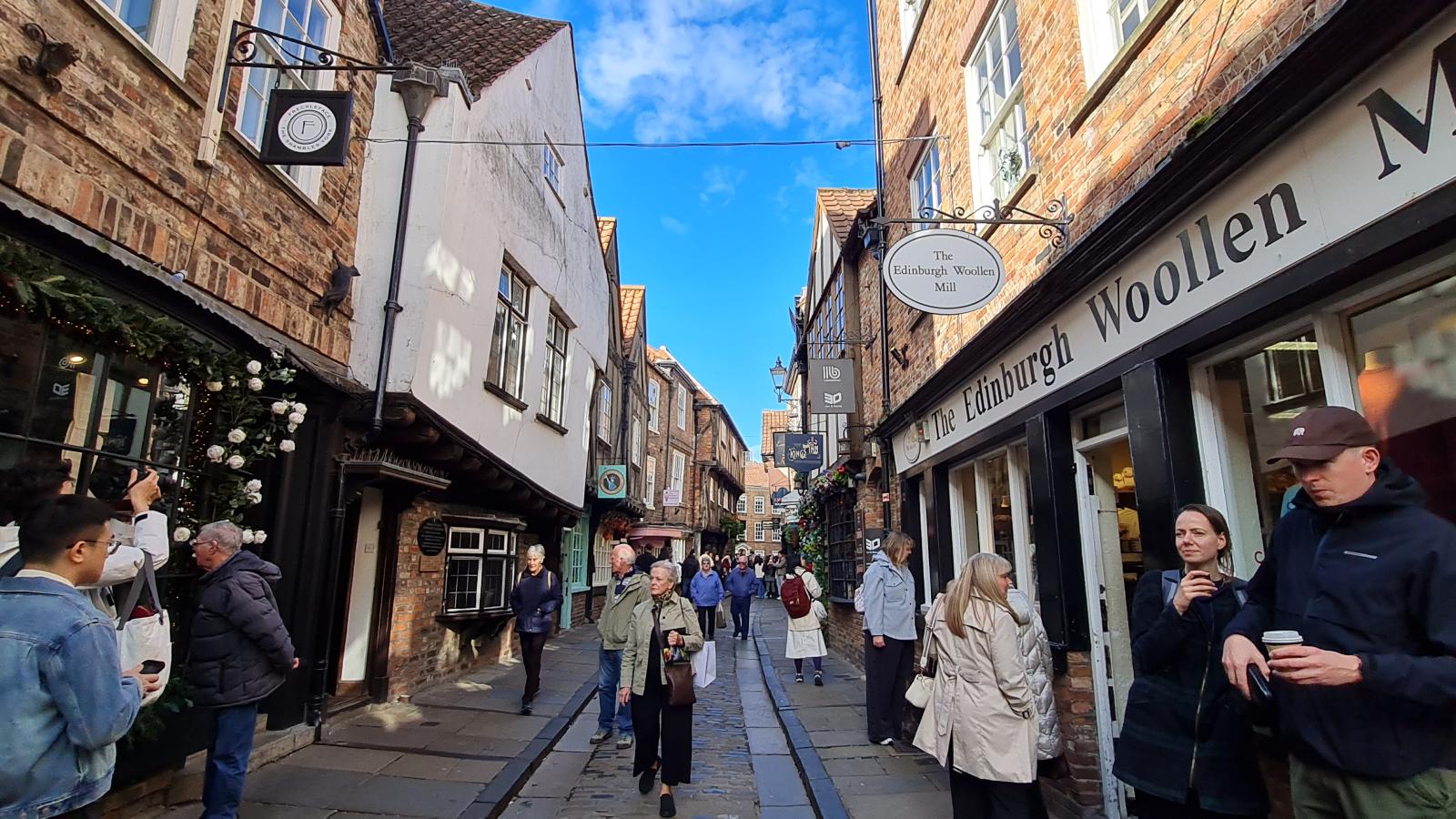
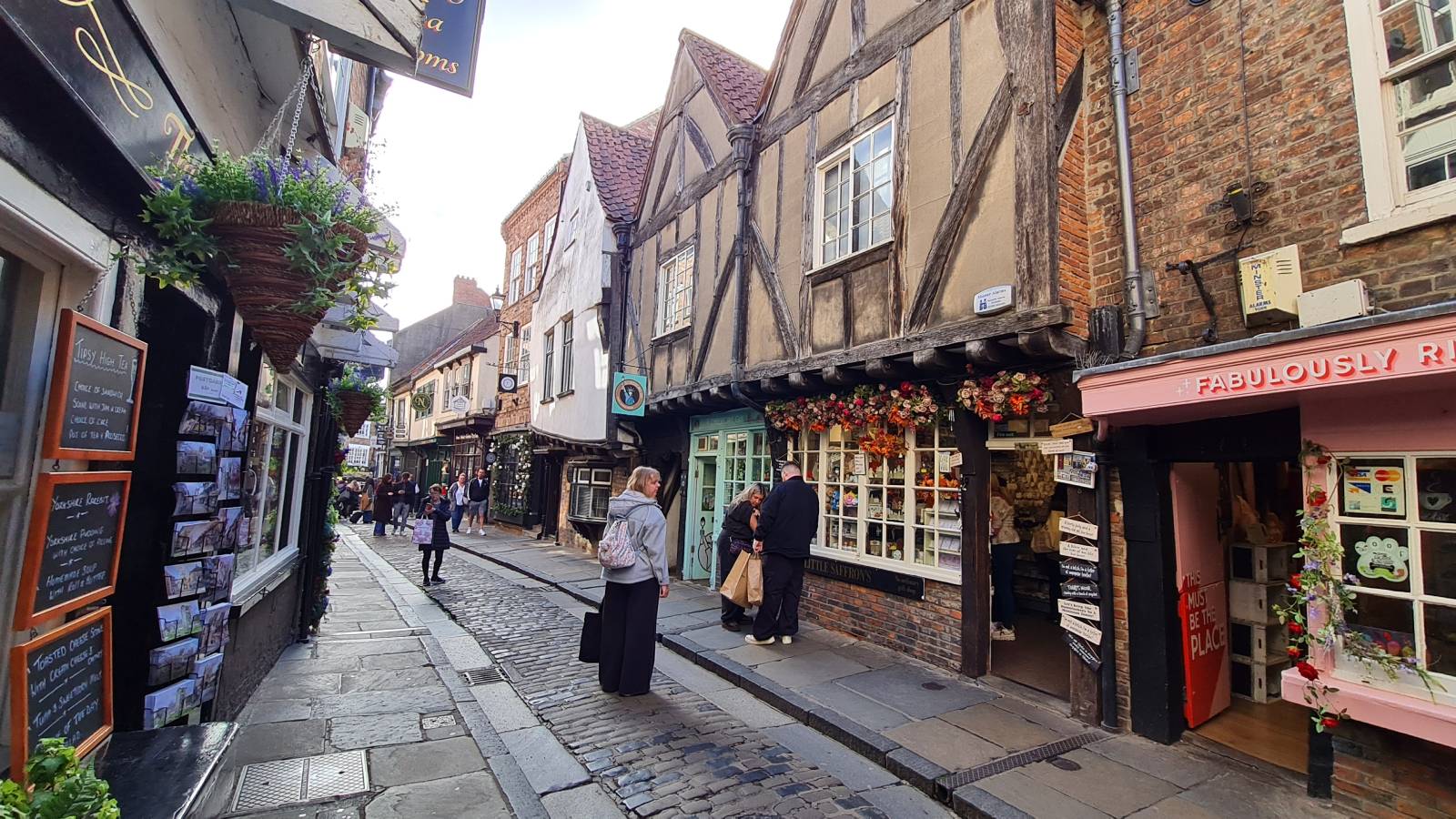
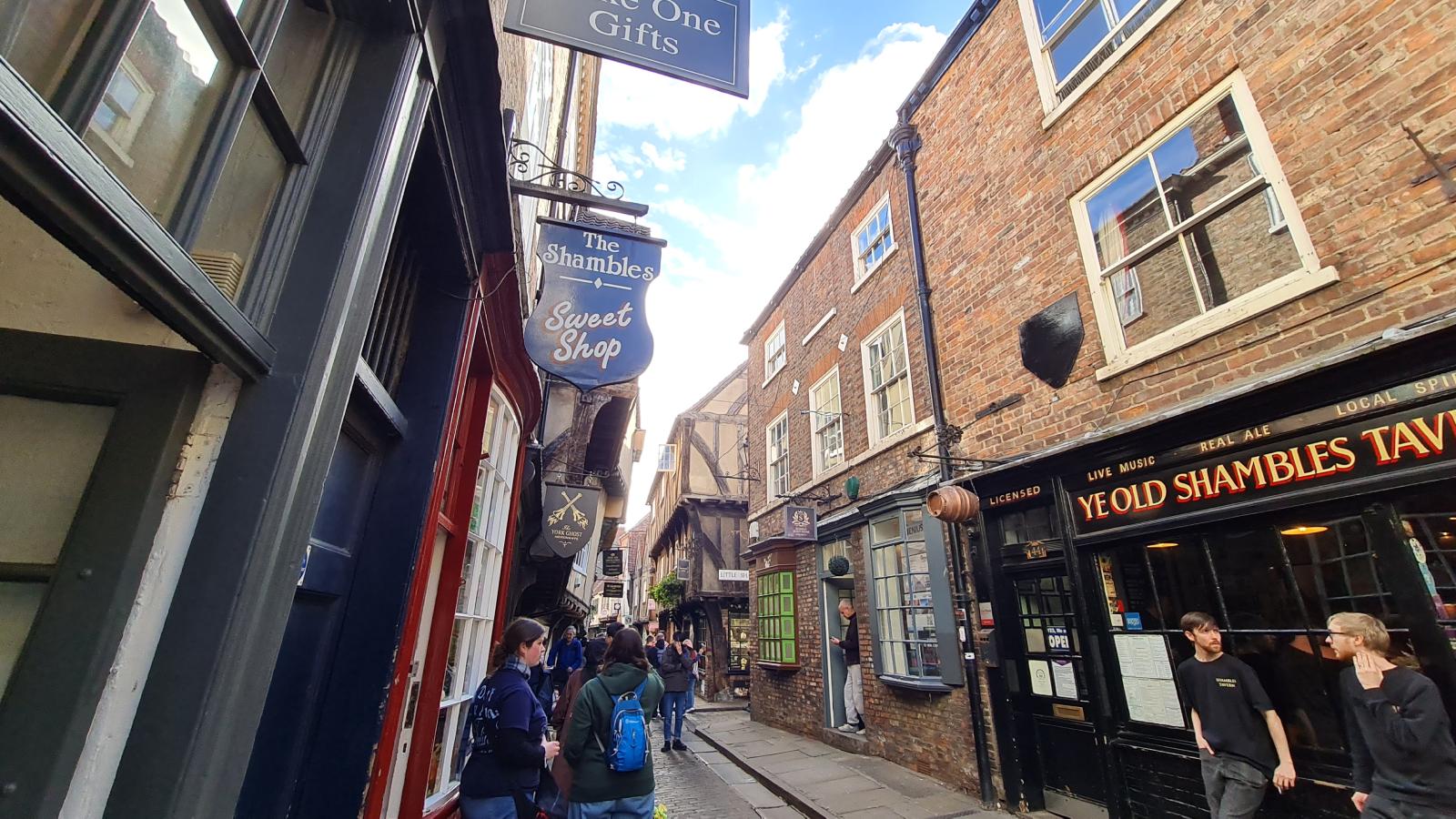
We stopped at a park and ride outside York and caught a bus in to explore the city centre. With roots in both Roman and Viking history, it had a unique vibe - see photos above and below.
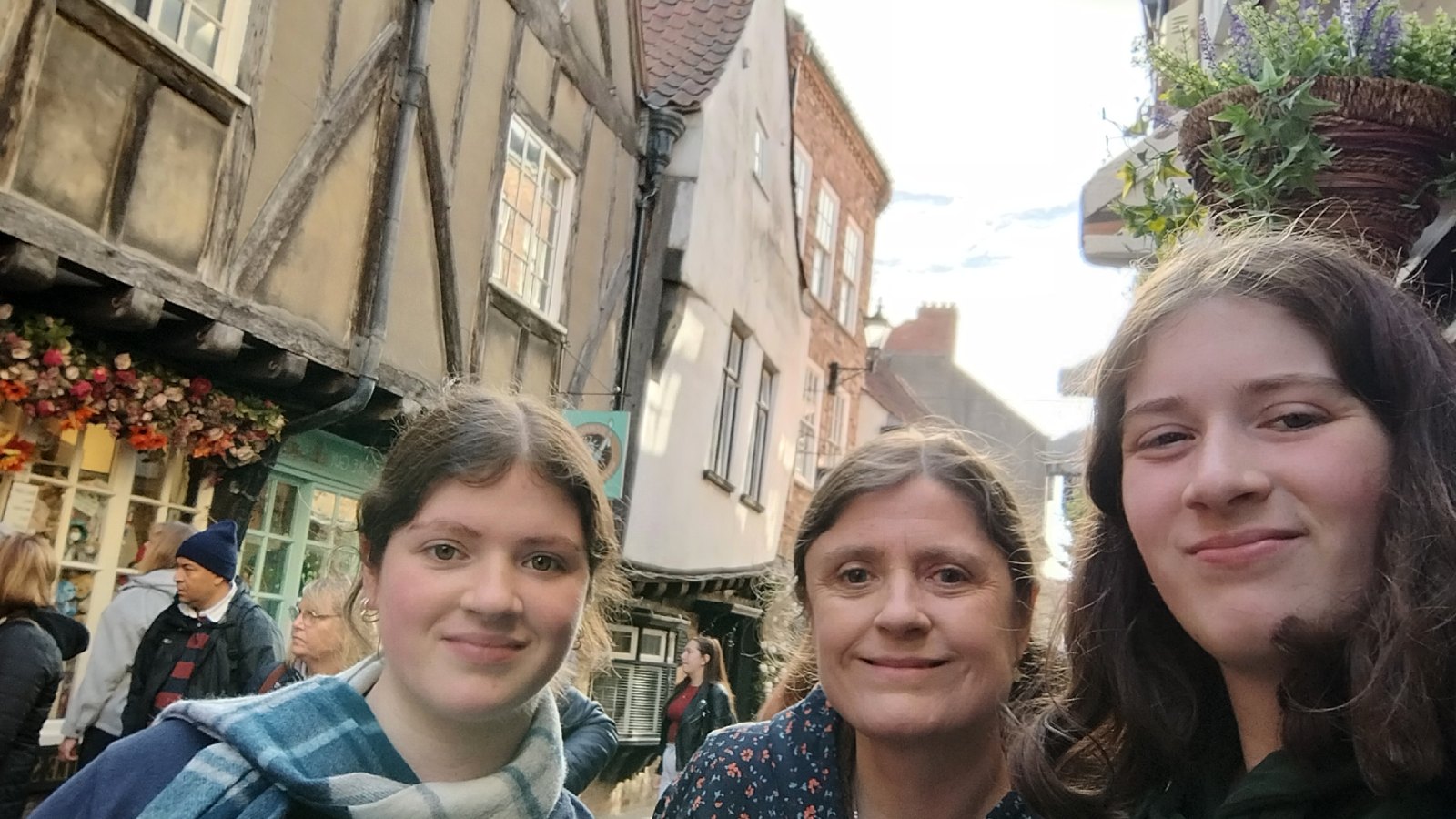
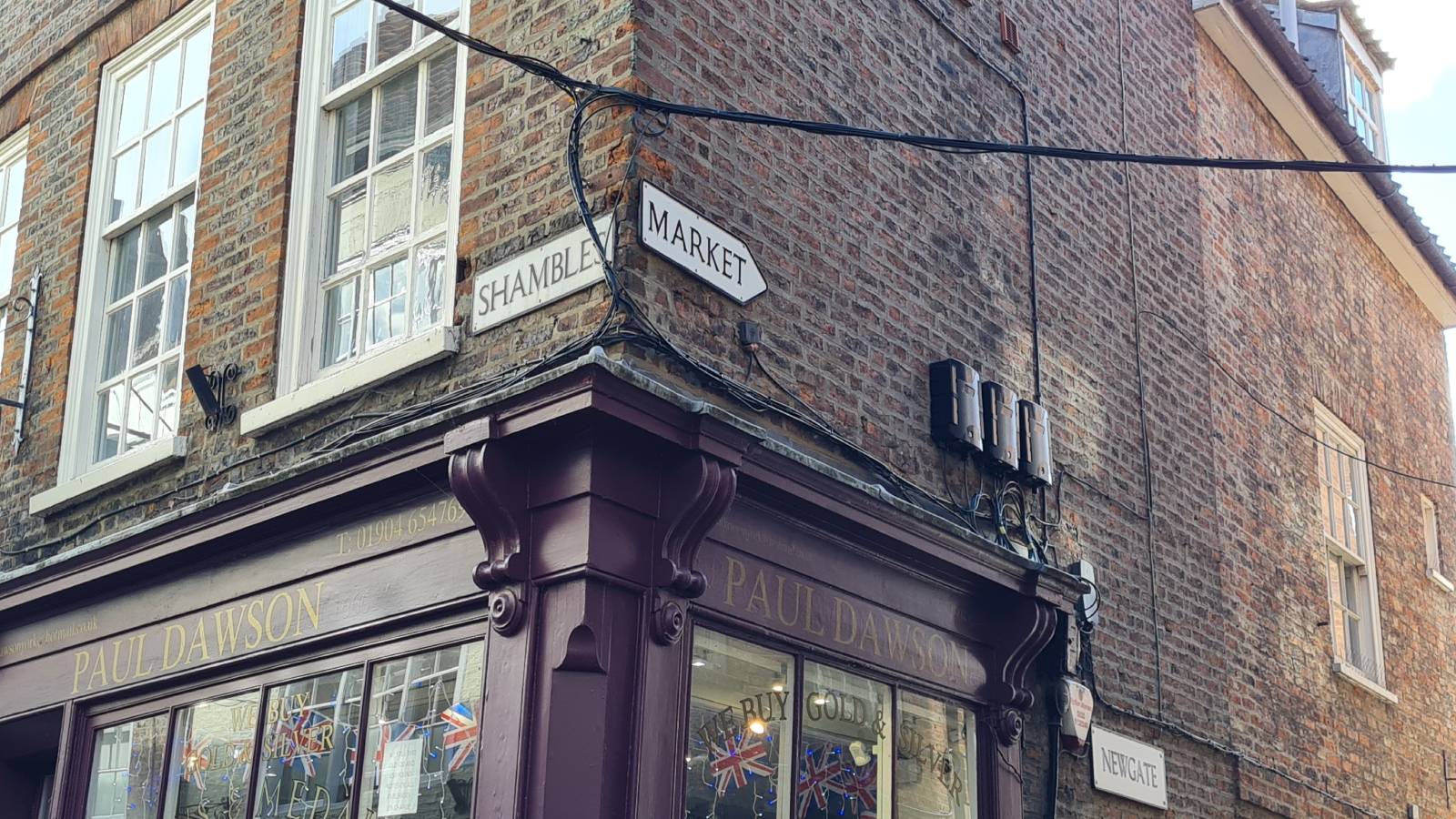
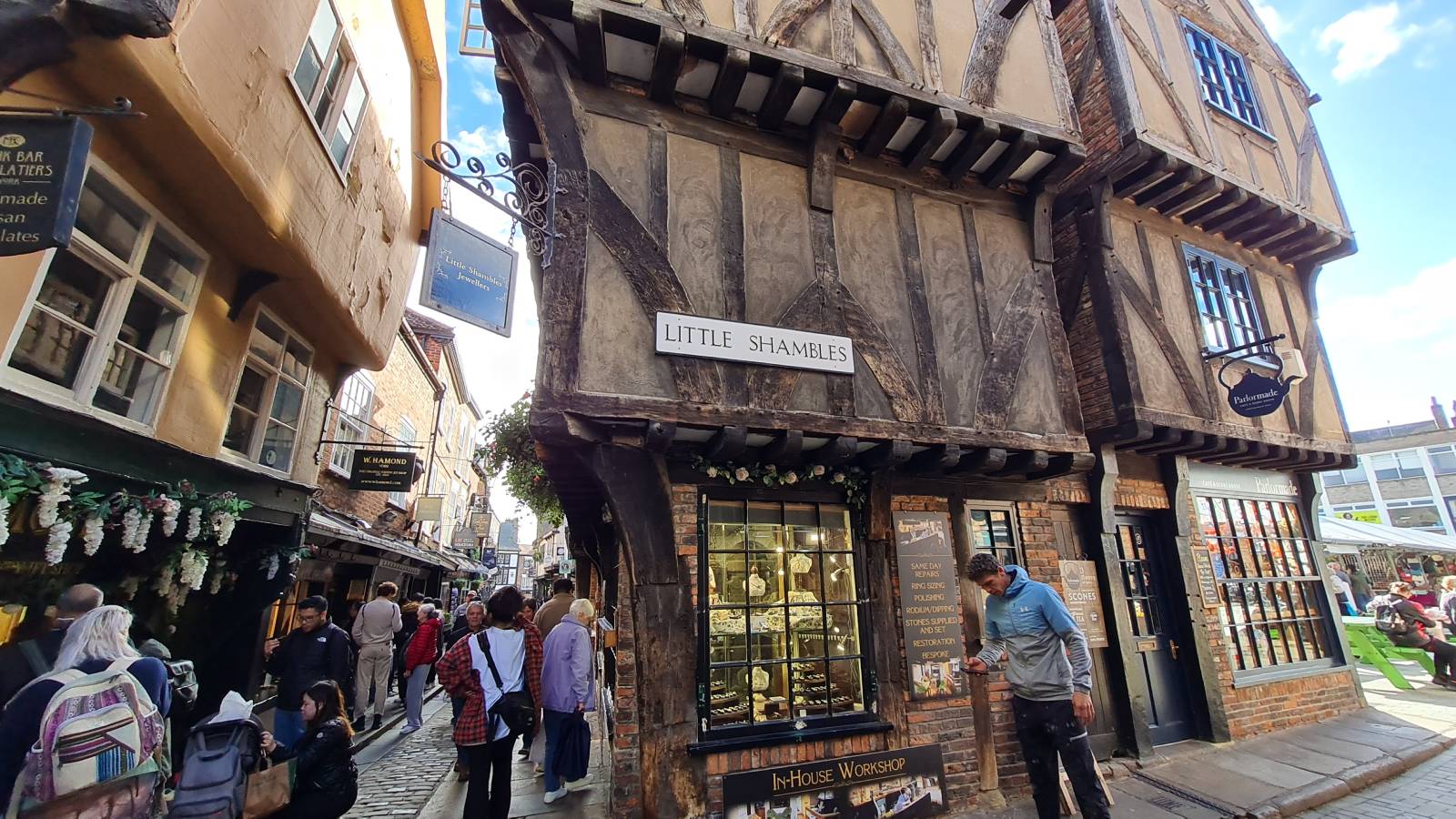
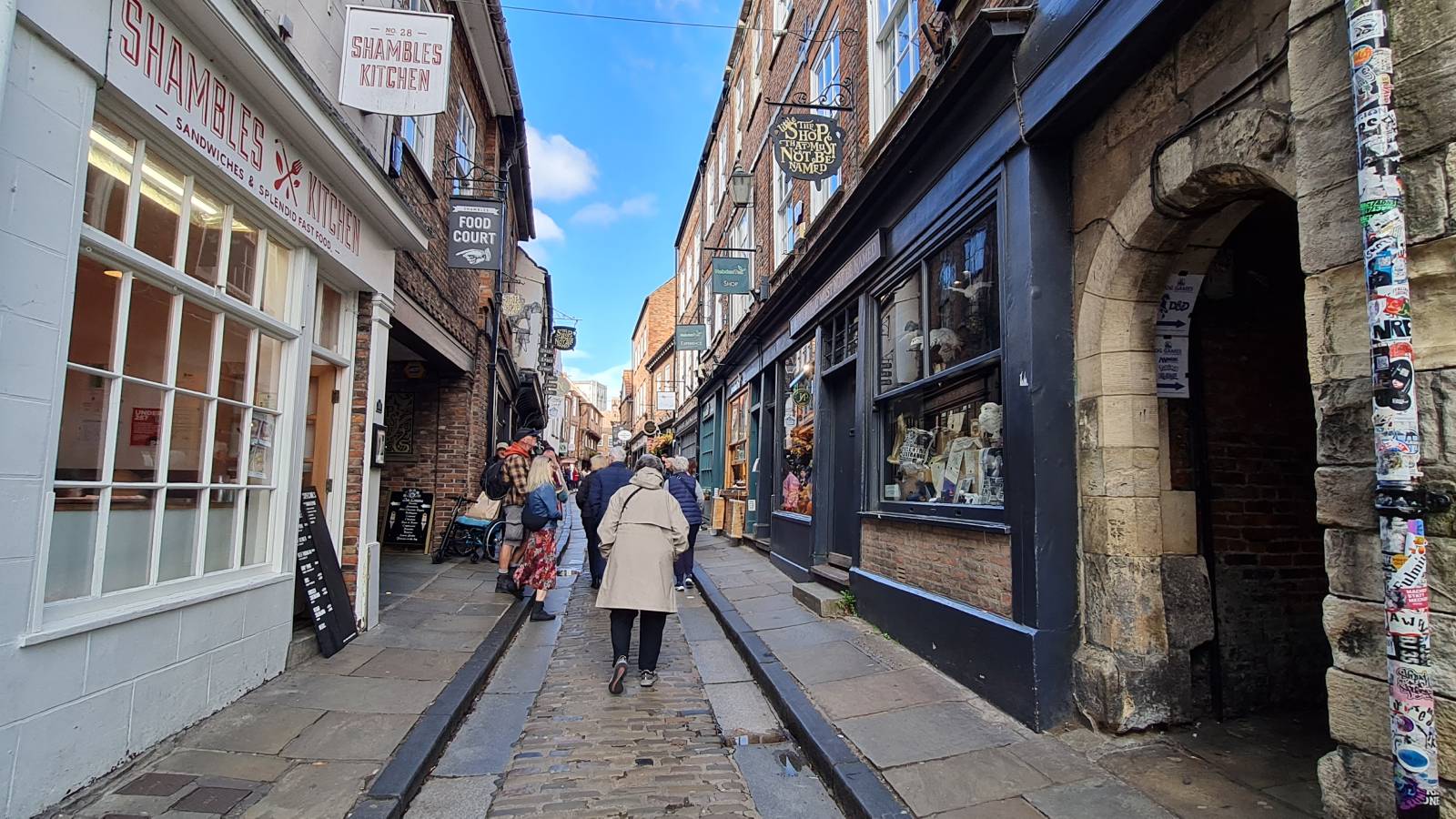
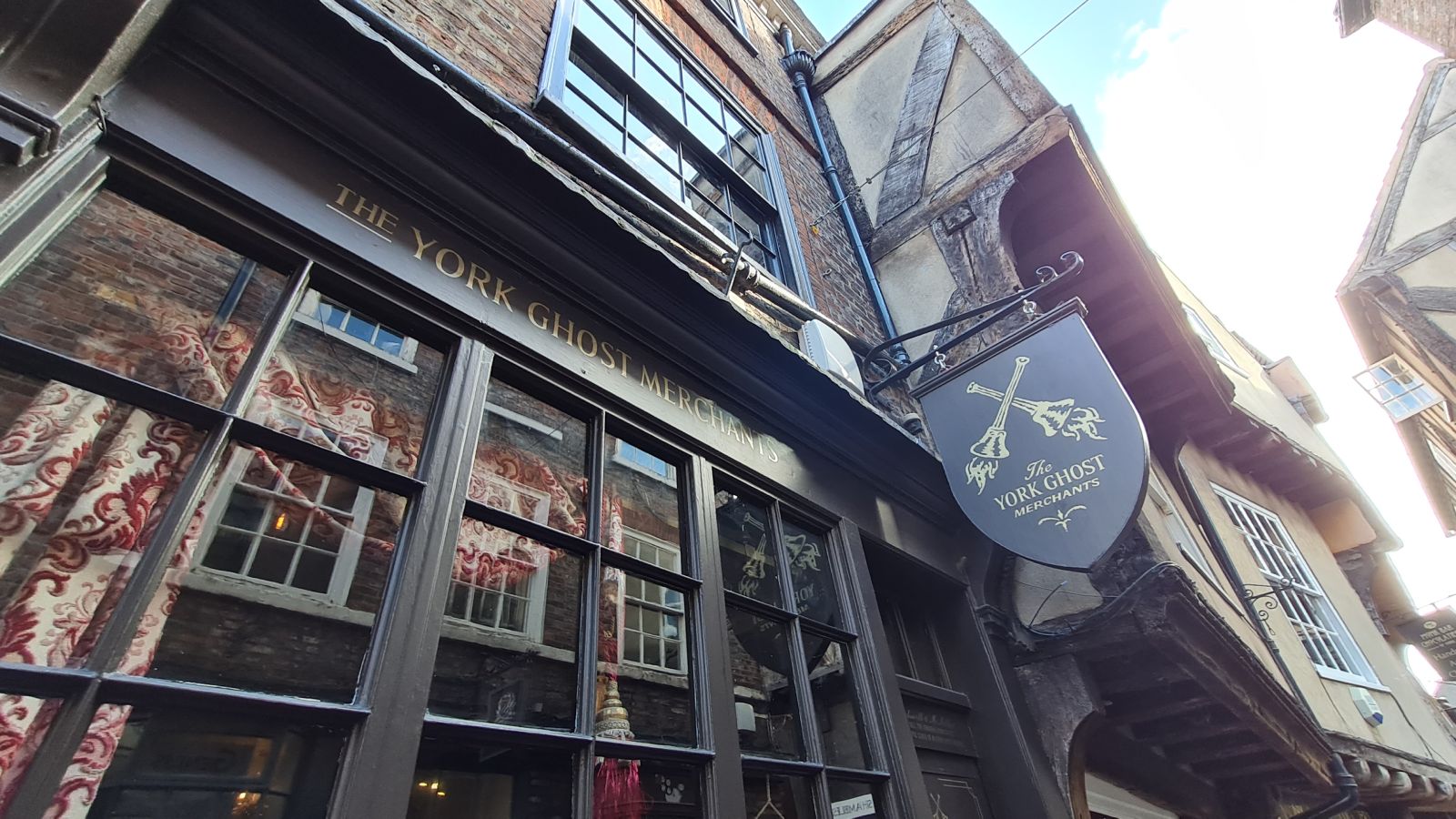
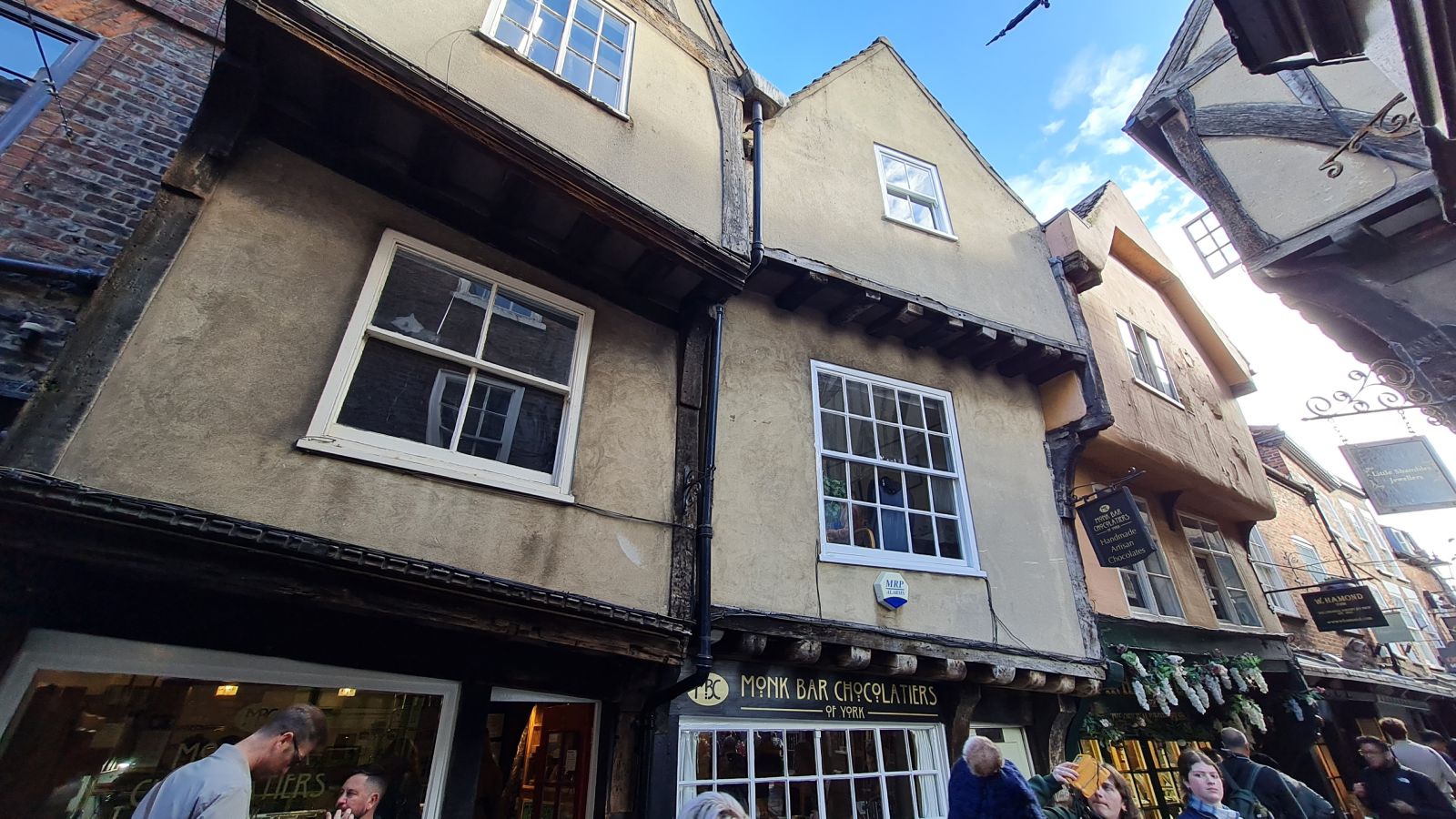
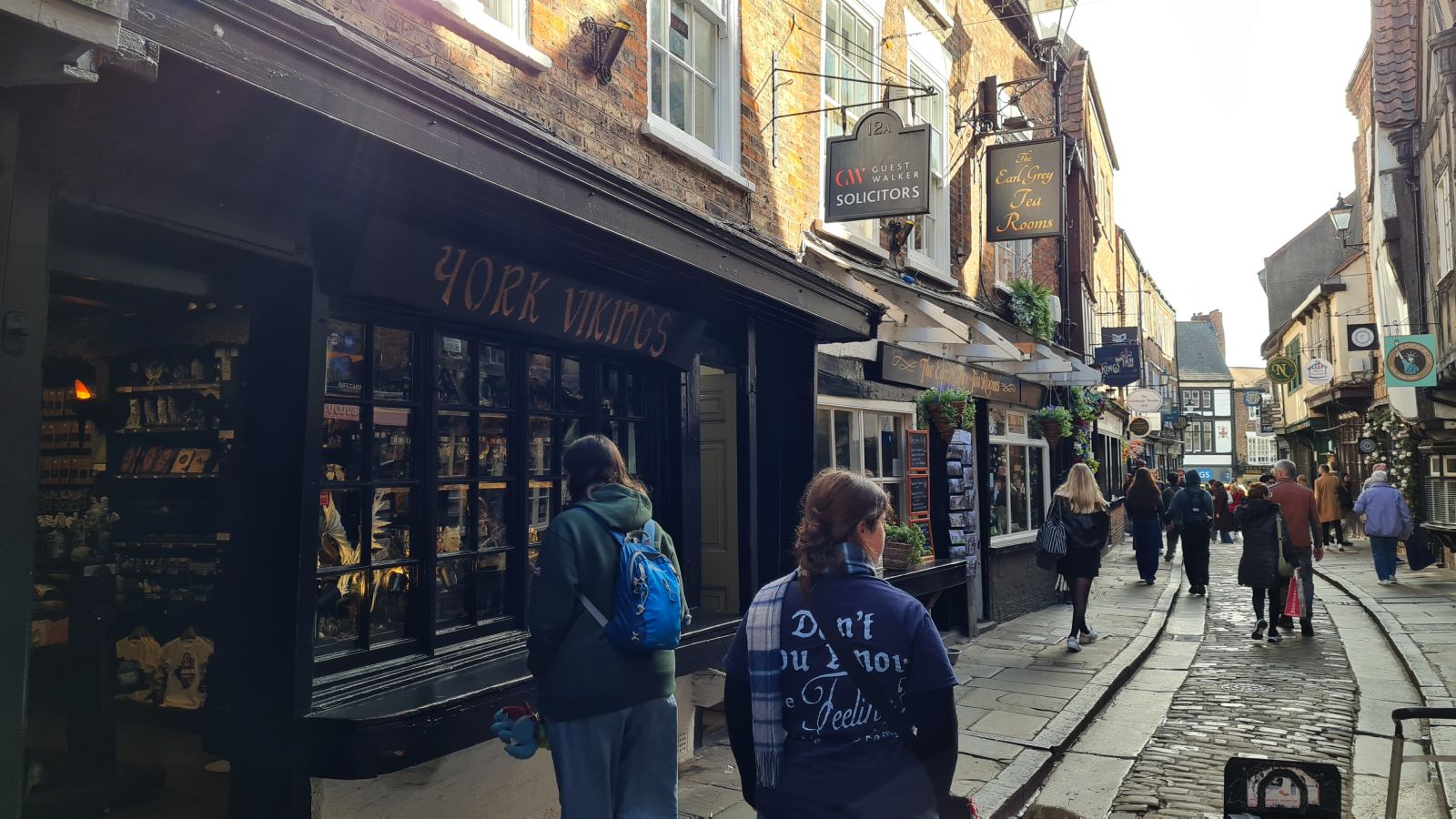
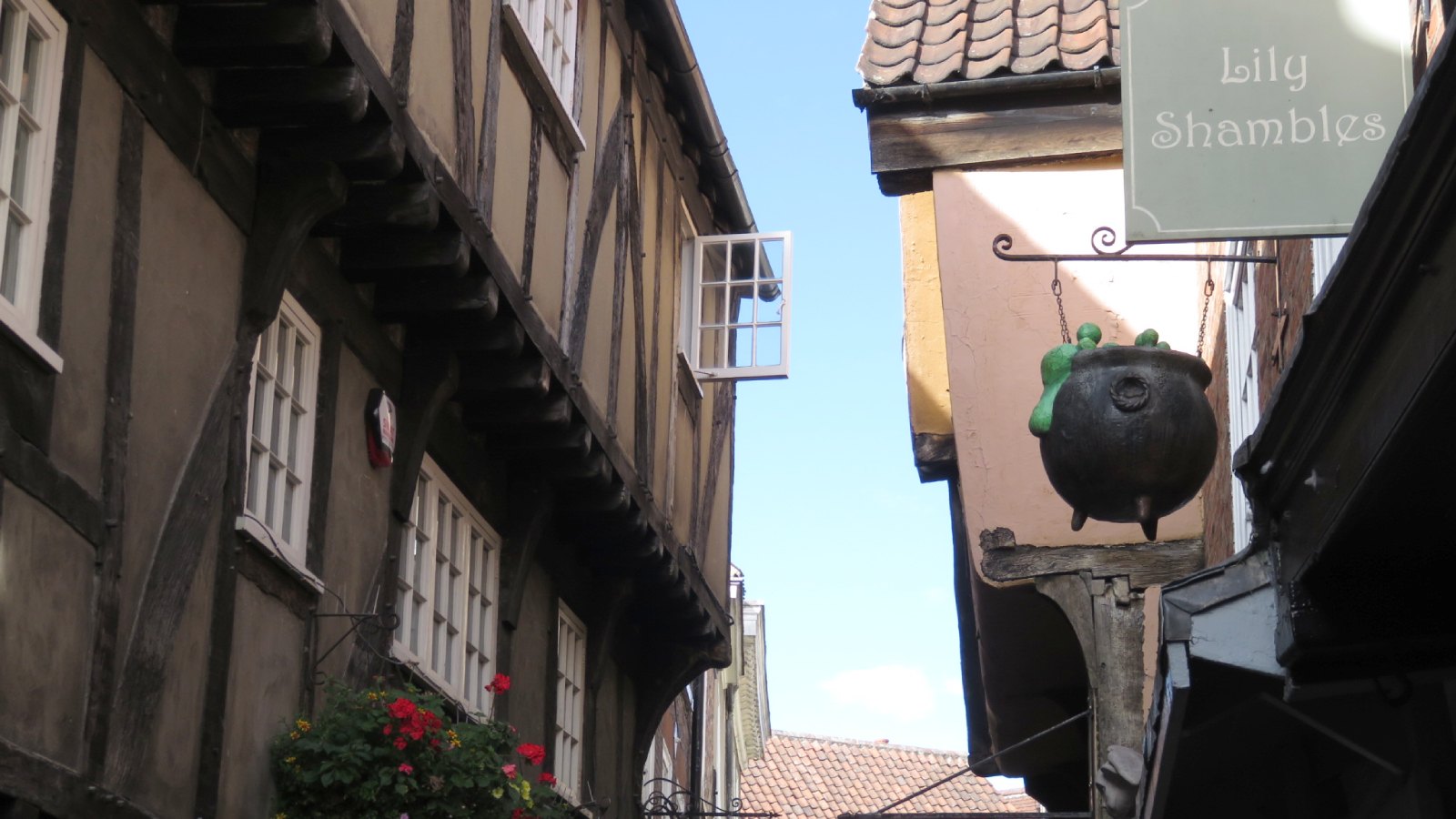
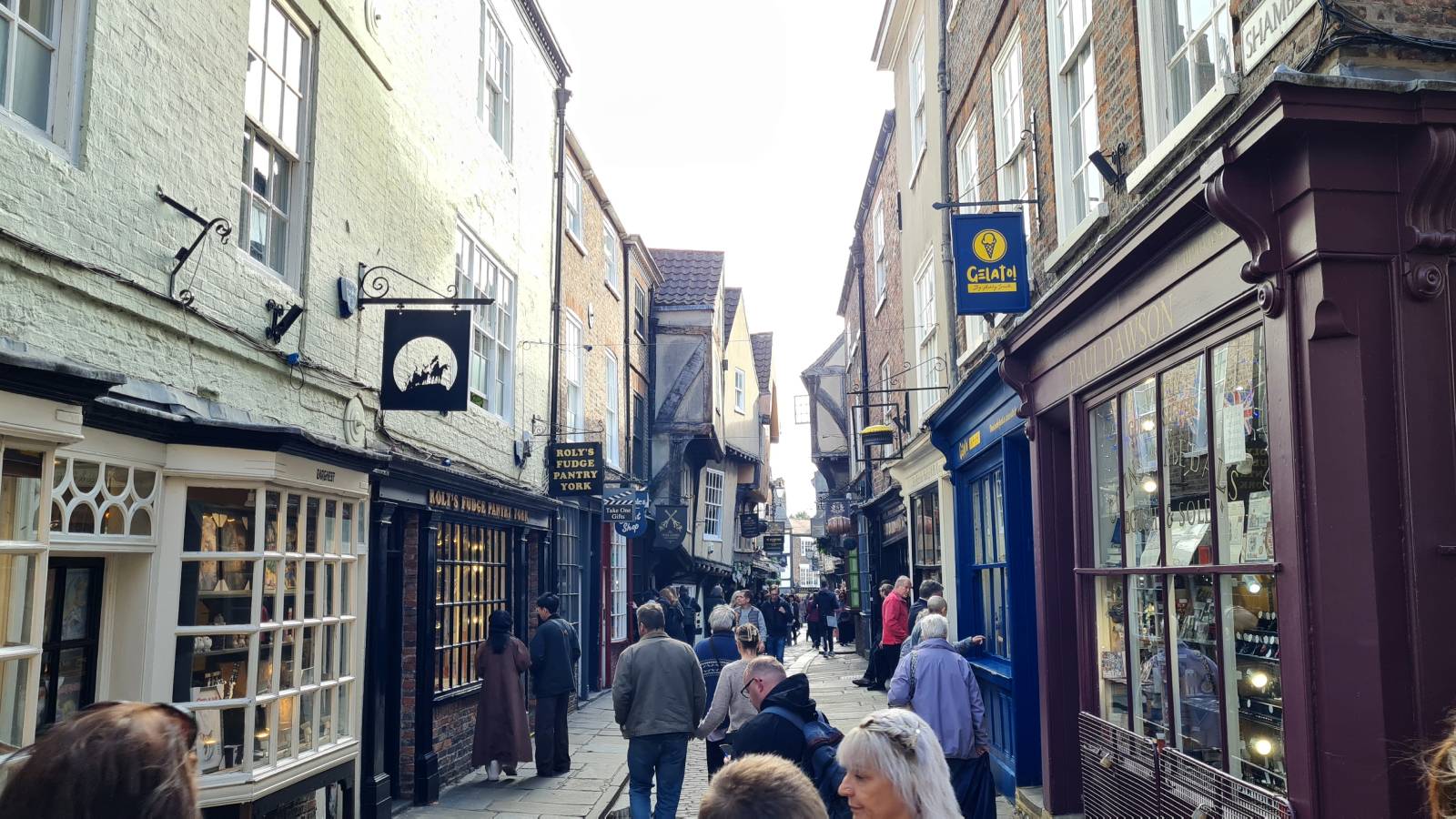
The main place we wanted to look at was the Shambles (above), a narrow, cobblestoned street full of medieval buildings. Many of these used the technique called 'jettying' - when the top storey overhangs the bottom to create more internal space within a smaller building footprint, thus minimising the land tax (photo 3 above is a great example).
The Shambles was originally a strip of butcher shops which, as a vegetarian, I chose not to think about while we were here. These days it is packed full of tourists exploring all sorts of quirky stores and cafes, which is a little more pleasant!
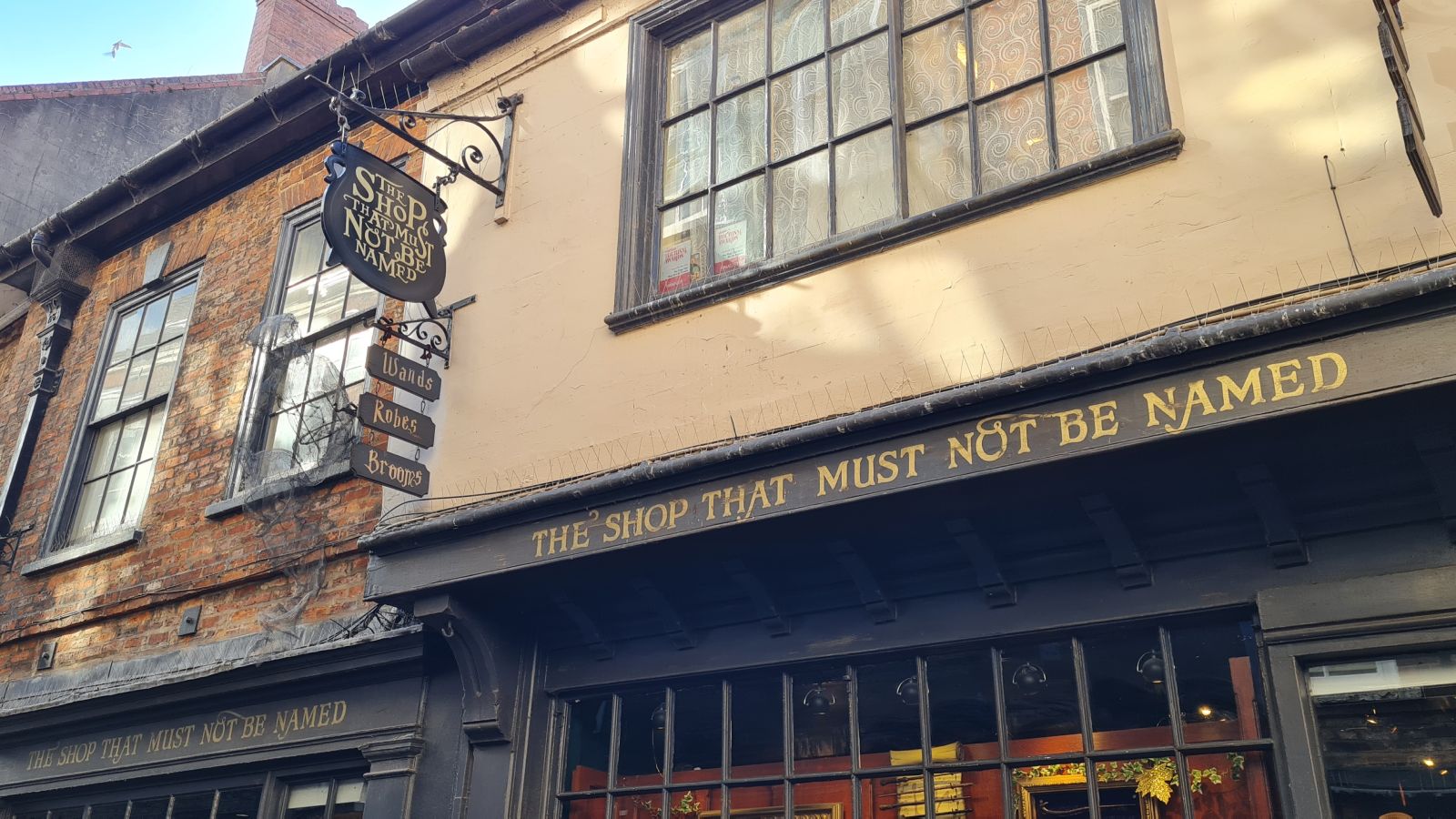
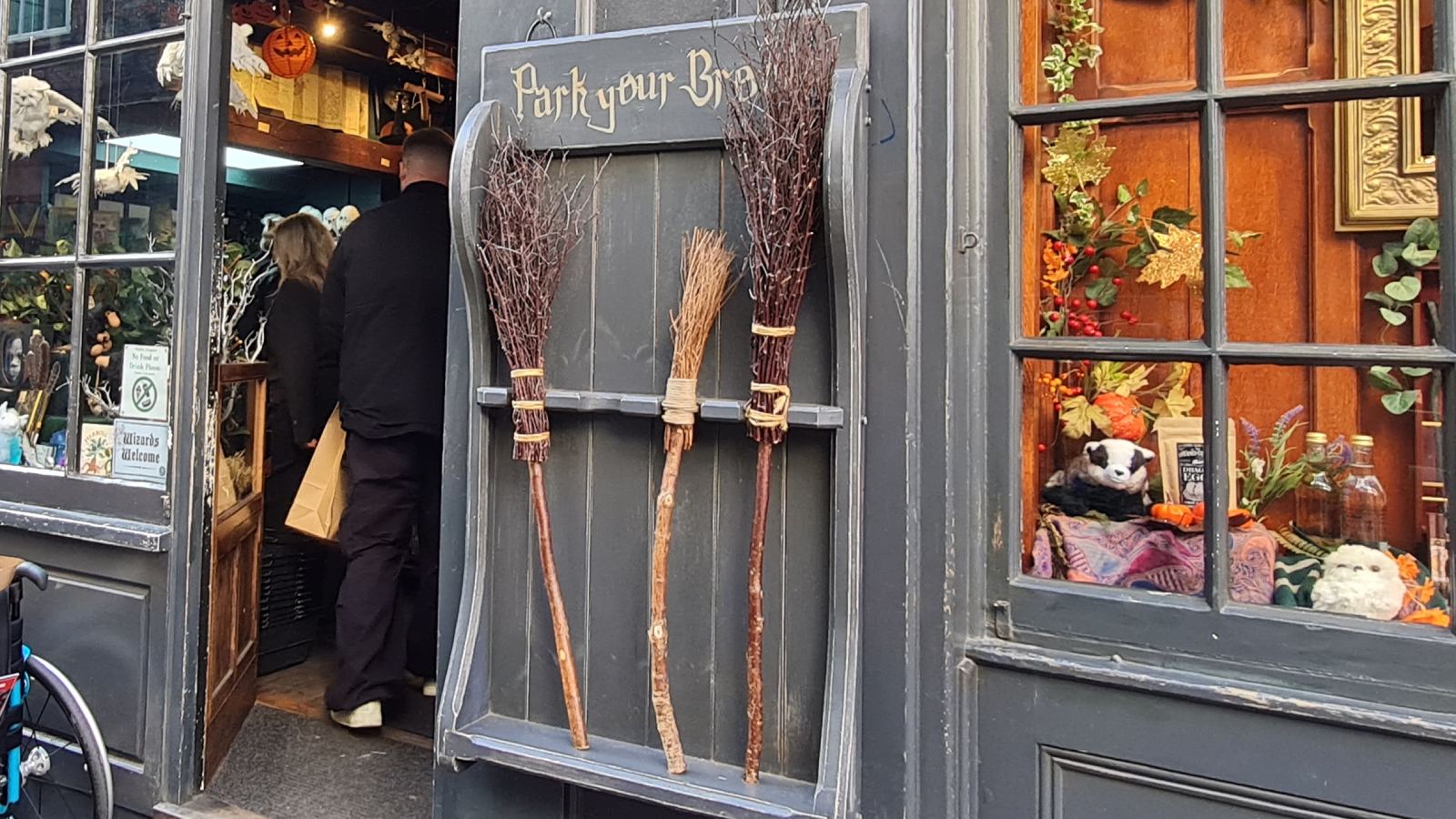
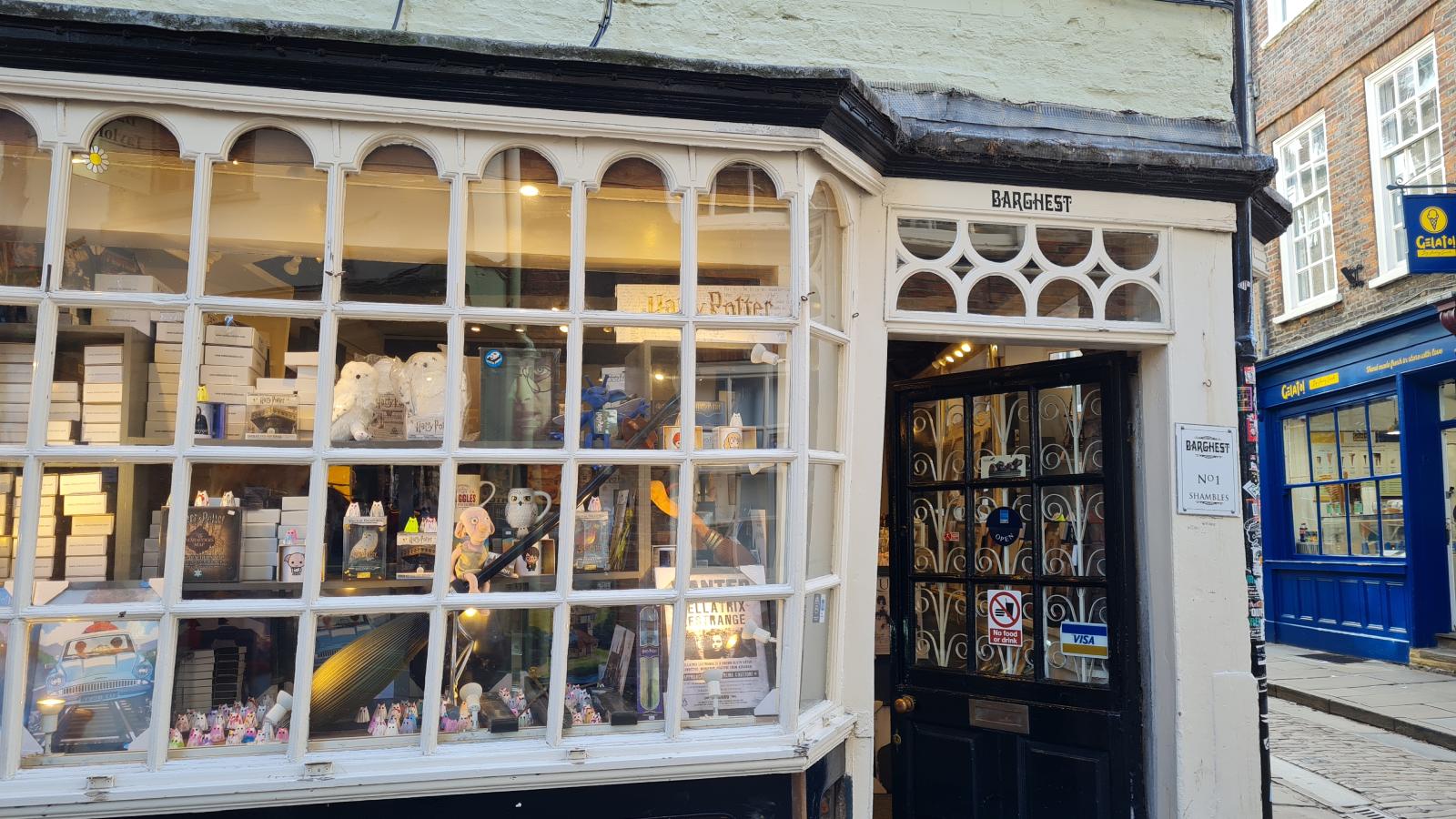
Although this isn’t where Diagon Alley was filmed for Harry Potter, it is believed to have been the inspiration for the movie version of the series. It actually reminded me more of Diagon Alley than Victoria Street in Edinburgh, which was JK Rowling’s inspiration for the book. There is also a Harry Potter shop here called 'The shop that must not be named' (photos 4-6) – a reference to Voldemort, Harry Potter's arch enemy.
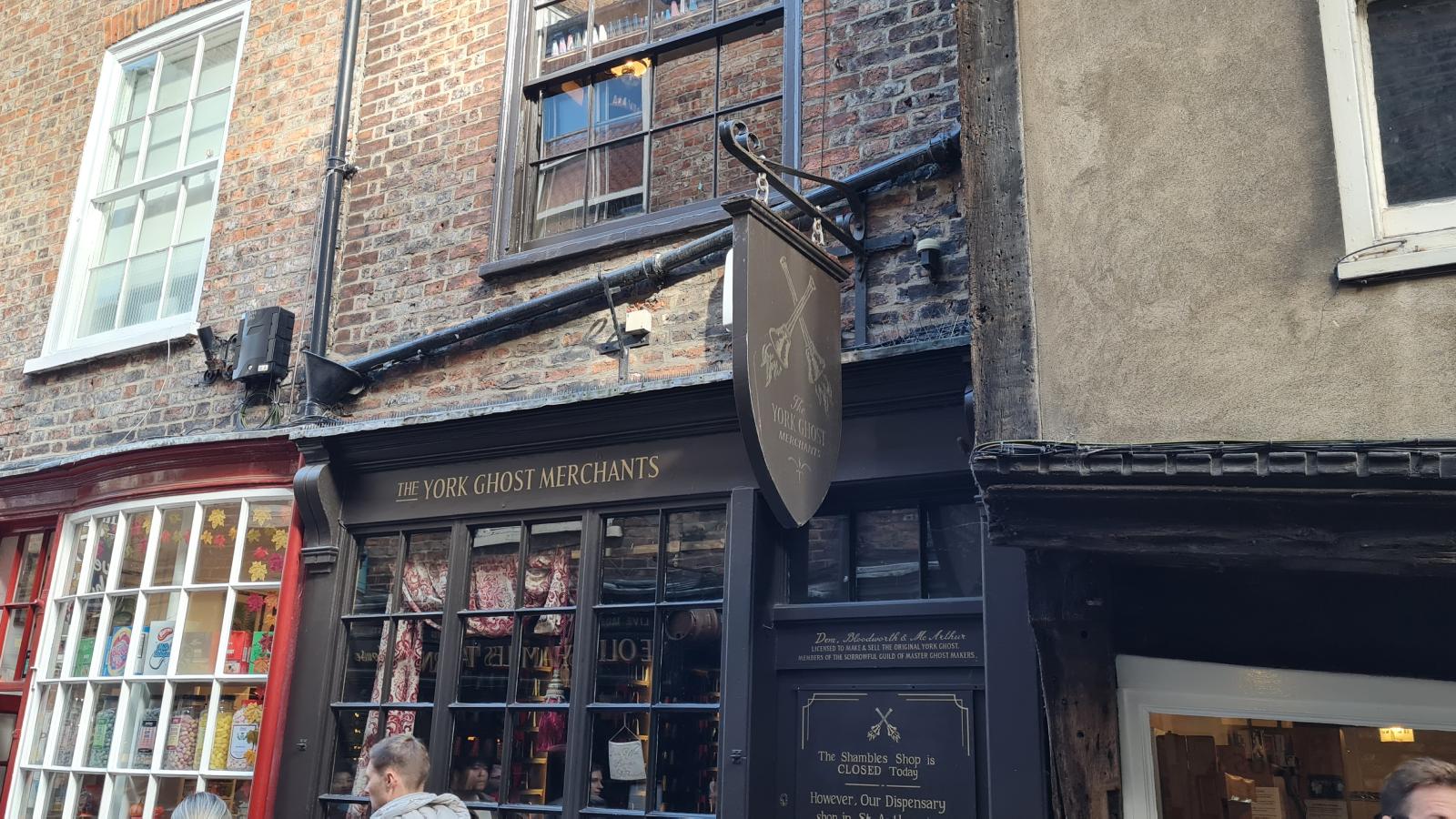
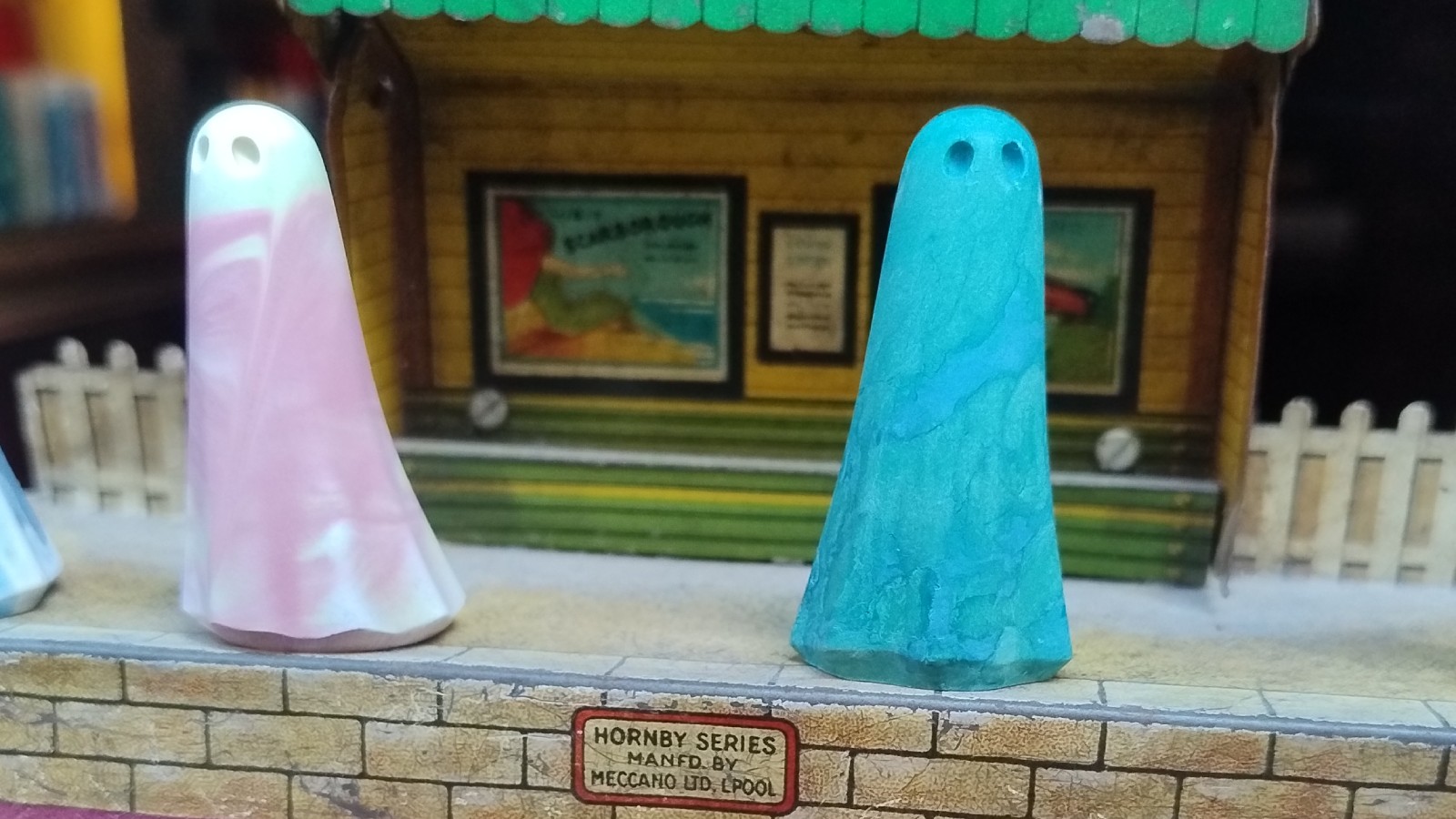
One notable Shambles shop was the York Ghost Merchants (photos 7-9), which was closed at the time we were there, but apparently often has a queue to get in when it is open. According to their website they are the only ghost merchants still trading – which explains why!
The Shambles is believed to be the most haunted street in Europe, and in fact, York itself is believed to be the most haunted city in Europe, with over 500 documented ghost sightings. This isn’t all that surprising given its turbulent past of wars, invasions and plagues.
Archaeological evidence dates human settlement in the area back to around 8,000-7,000 BCE. York itself was established by the Romans in 71AD, who stayed for 300 years and developed it as a city of global significance.
The Vikings took over in 866 and renamed it Jorvik, ruling the city for 100 years. There is a Viking centre here which would be interesting to explore.
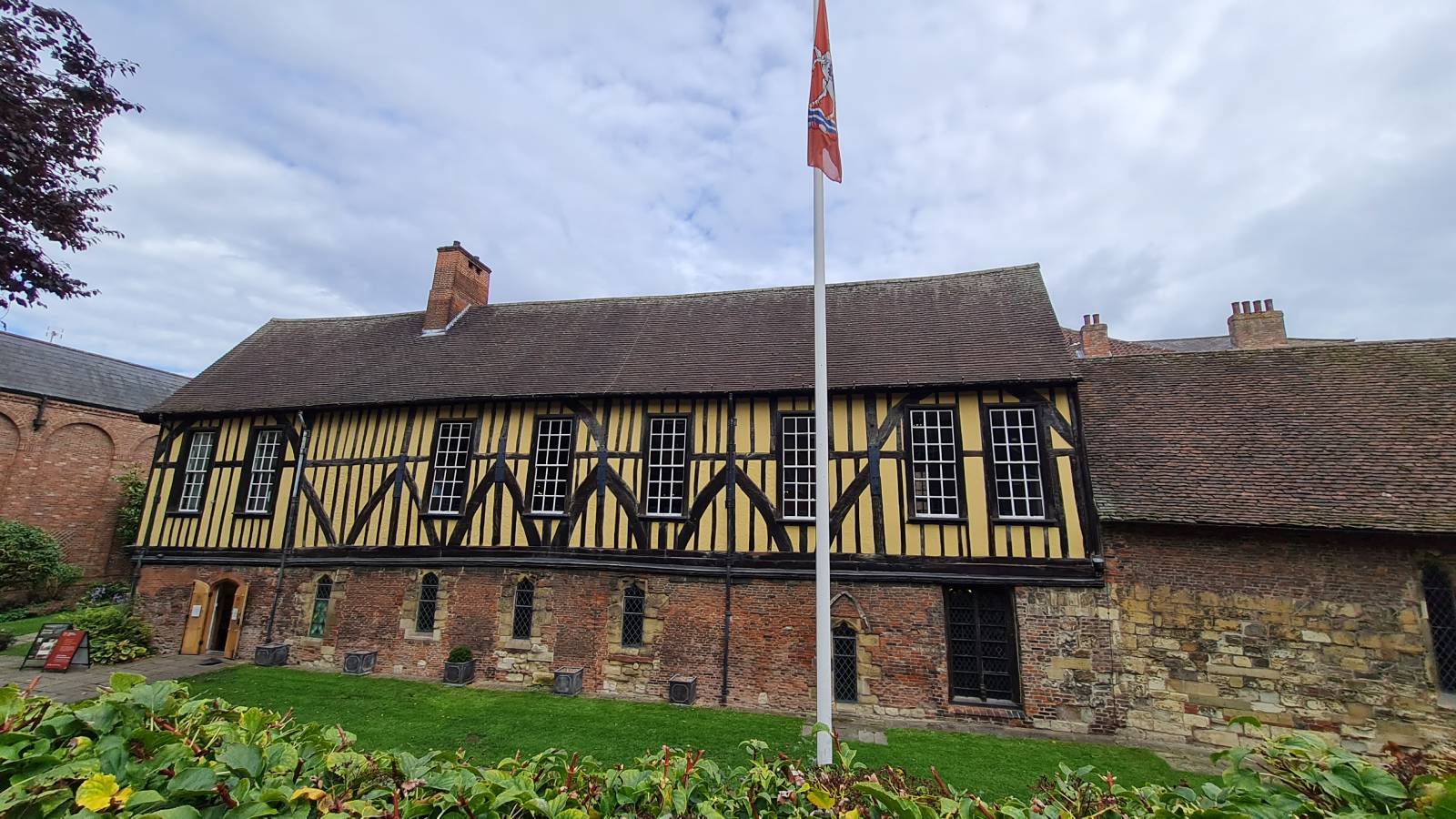
Although York is now a modern city of around 200,000, there are many buildings that remain from the medieval period, such as the Merchant Adventurer Hall in the first photo below, which was built in 1357 and has been owned by the same organisation for 660 years. Have a look at the inside – it’s impressive!
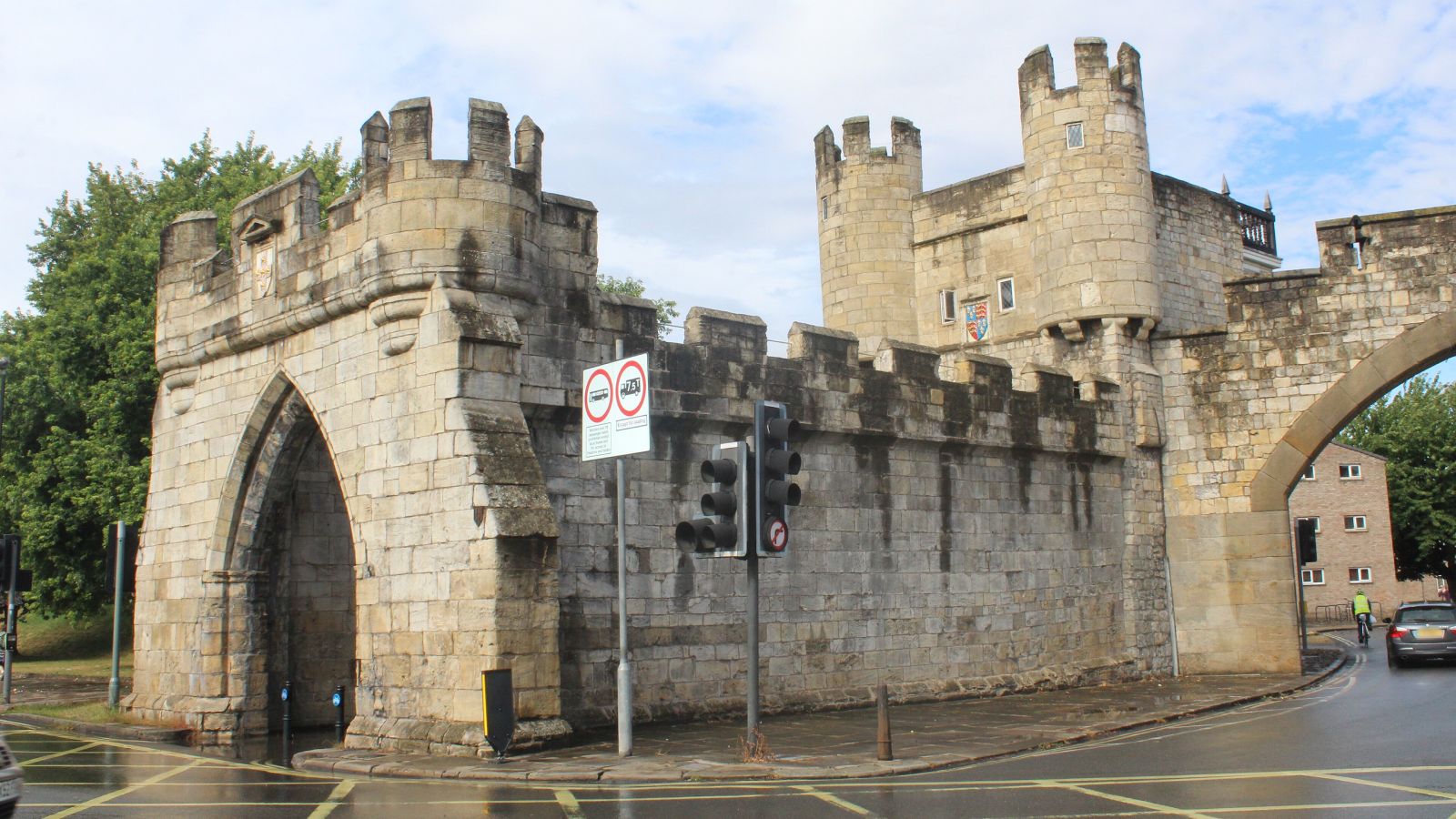
Central York has been surrounded by city walls since the Roman times. The current day walls were built in the 13th century on top of the earlier earth mounds, and can be walked around. We ran out of time on this visit, but did pass through the Walmgate Bar city wall gate on the bus. We didn't get a photo, but the last photo below is a stock image to show how it looks.
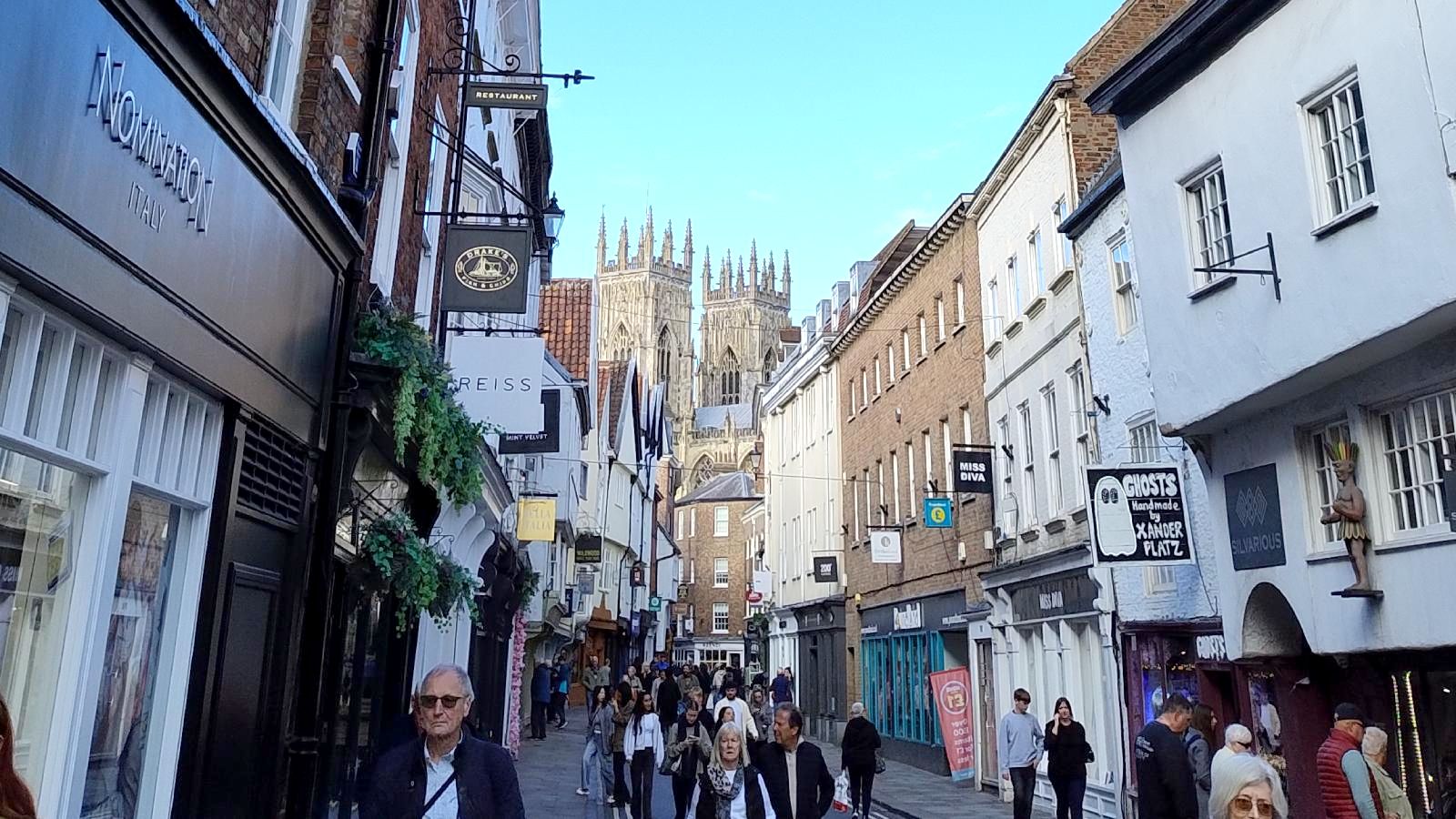
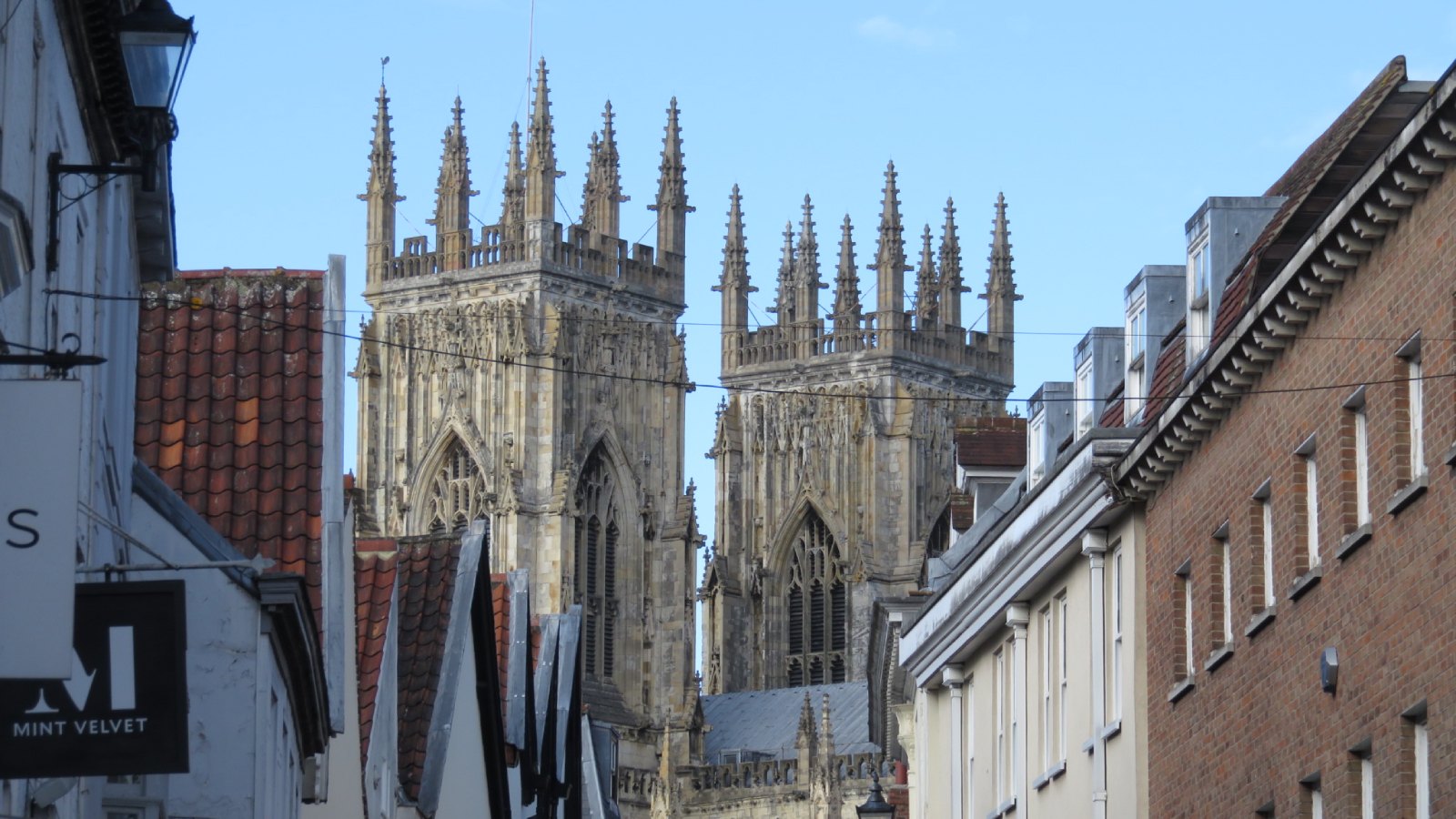
We only saw a little bit of York in our short time here, but there is a lot to come back and see, such as York Minster (photos 2 and 3 below), York Castle, world famous chocolateries and the Jorvik Viking Centre. I'd also like to walk the city walls and do a ghost tour or two!
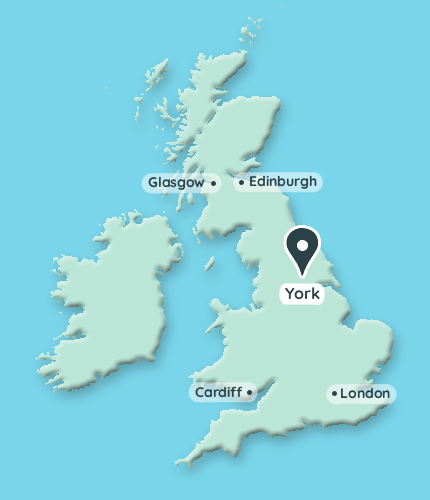
View York on Google maps