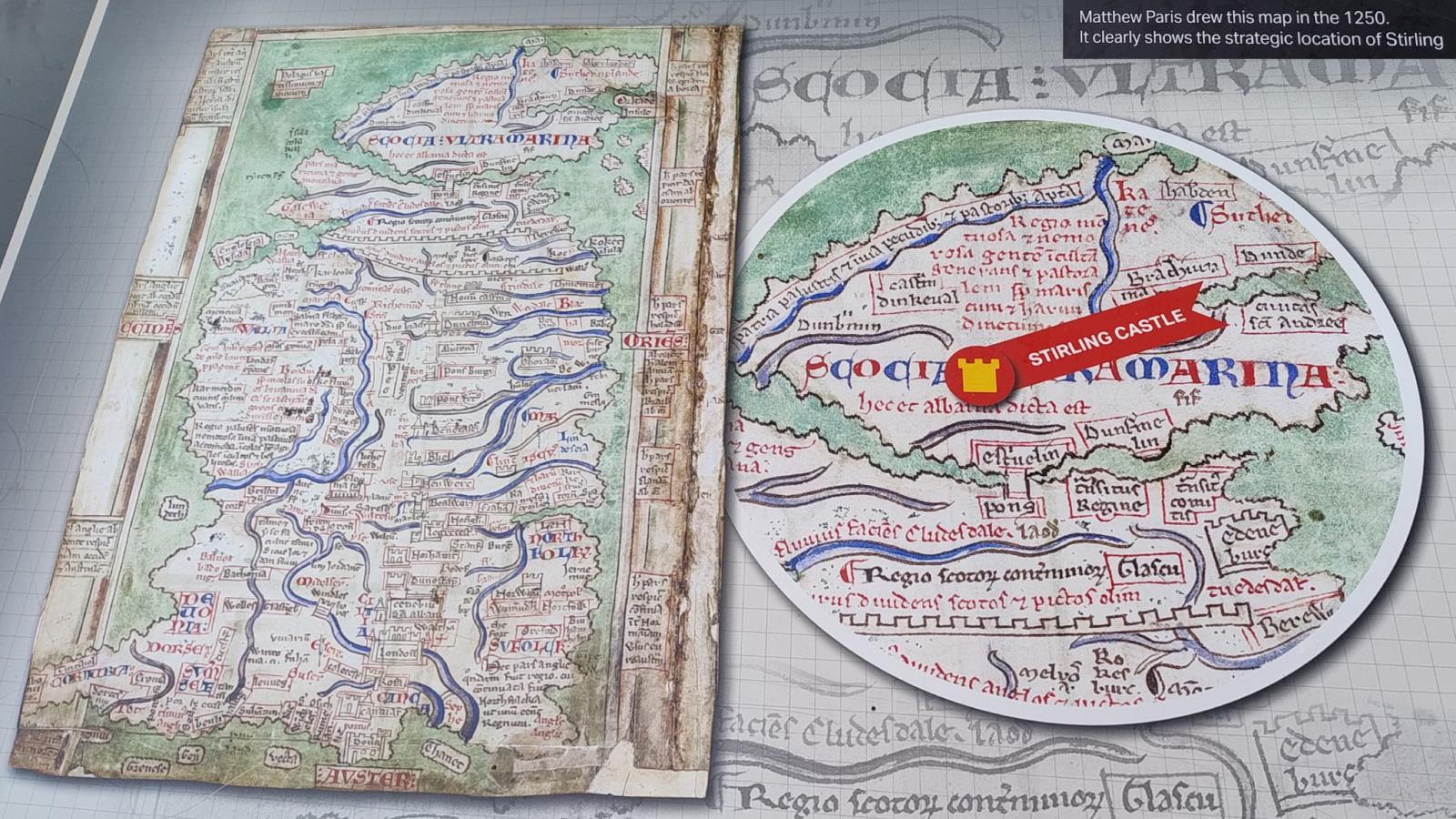
As a King Robert the Bruce enthusiast, I was keen to visit the site of the Battle of Bannockburn. It was as poignant and spine tingling as I had expected.
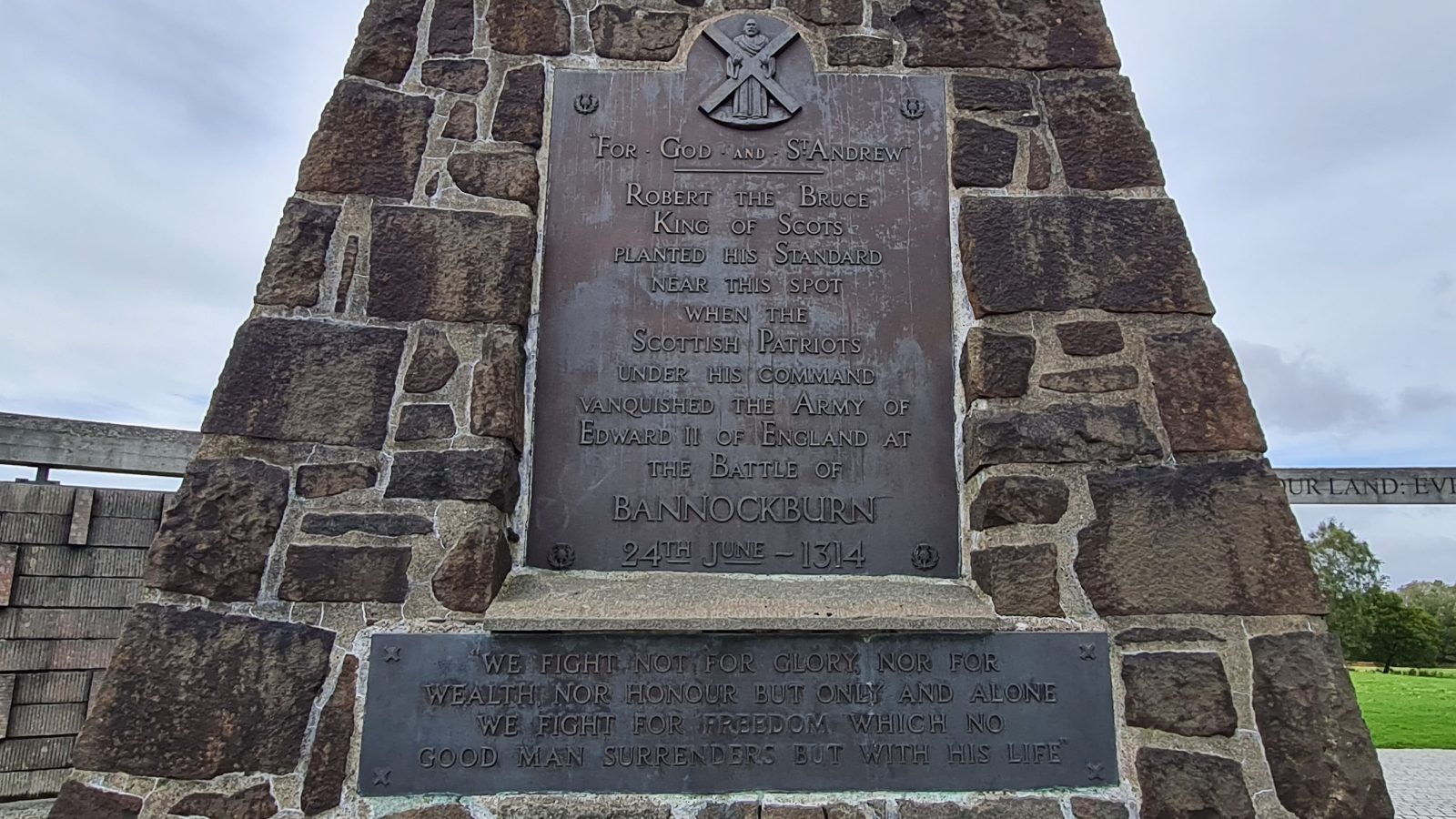
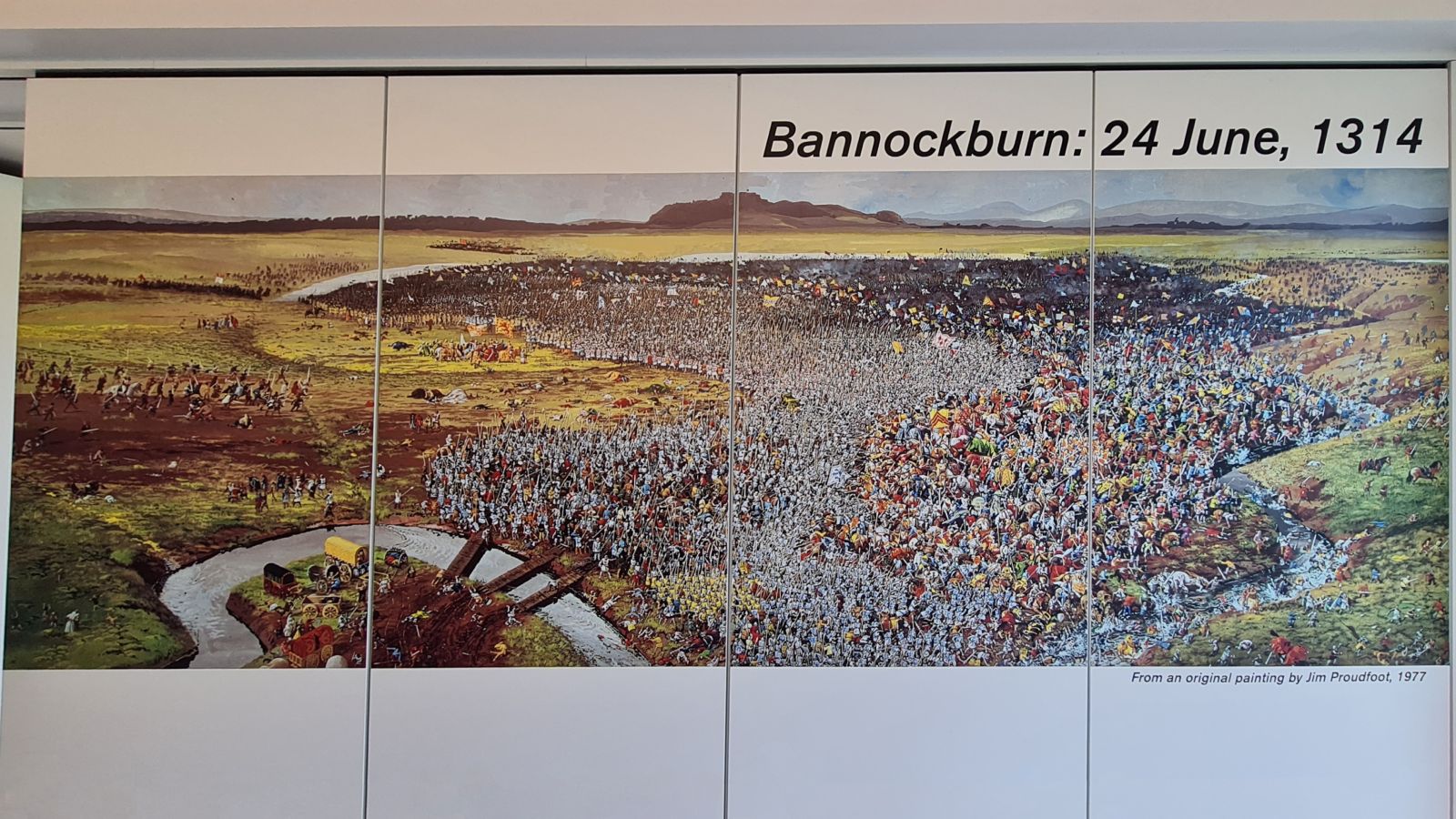
The battle took place on 23-24 June 1314 and was a pivotal point in the Wars of Independence between Scotland and England. The outcome changed the course of Scottish history forever.
Scotland’s army, led by Robert the Bruce, consisted of 5,000-8,000 men and was hugely outnumbered by King Edward II’s English army of 20,000-25,000 men.
Bruce employed tactics that resulted in relatively light casualties, whereas the English lost around 12,000 men in battle. He led his army to one of the most celebrated victories in Scottish history, finally securing Scotland’s independence.
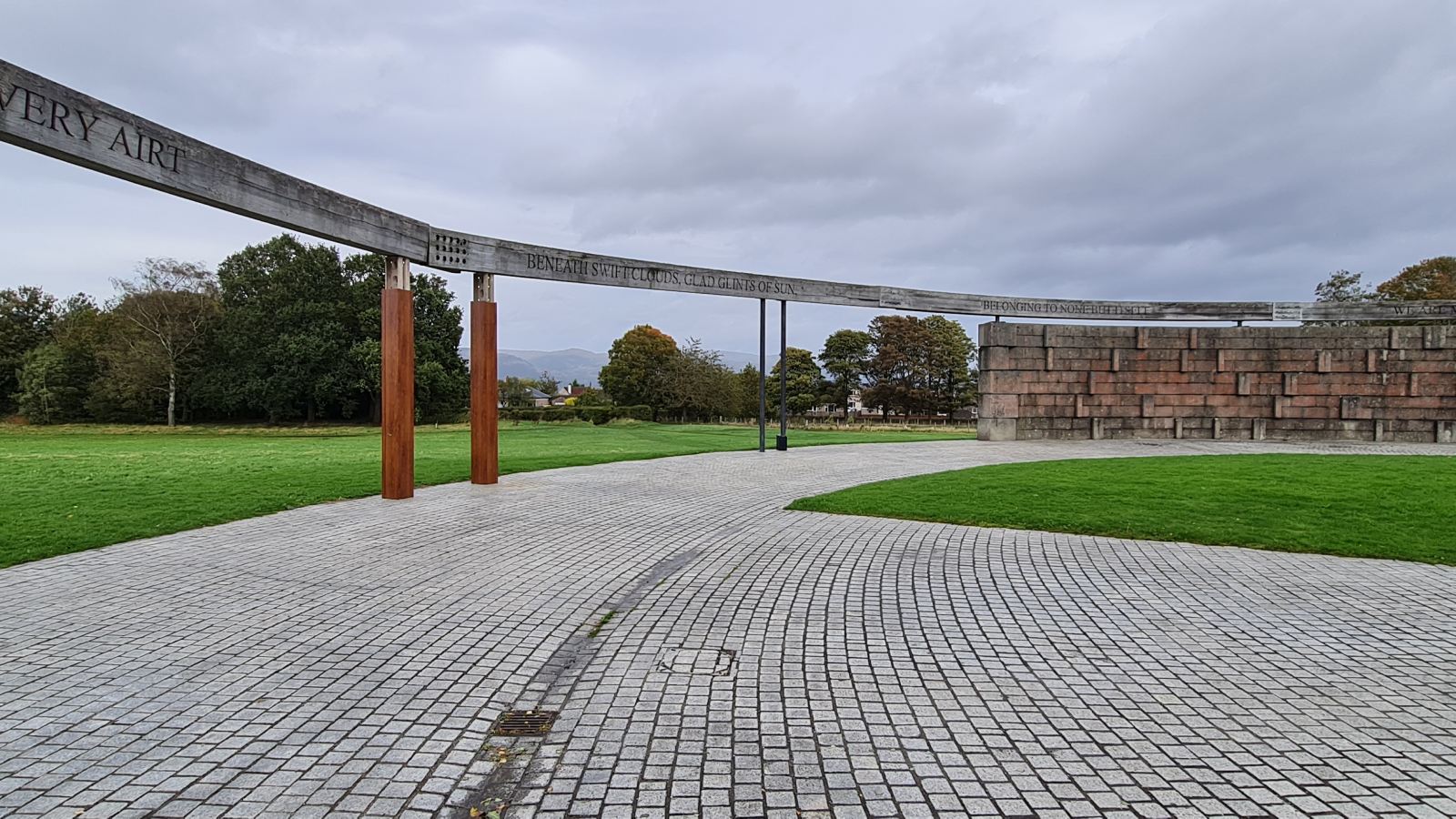
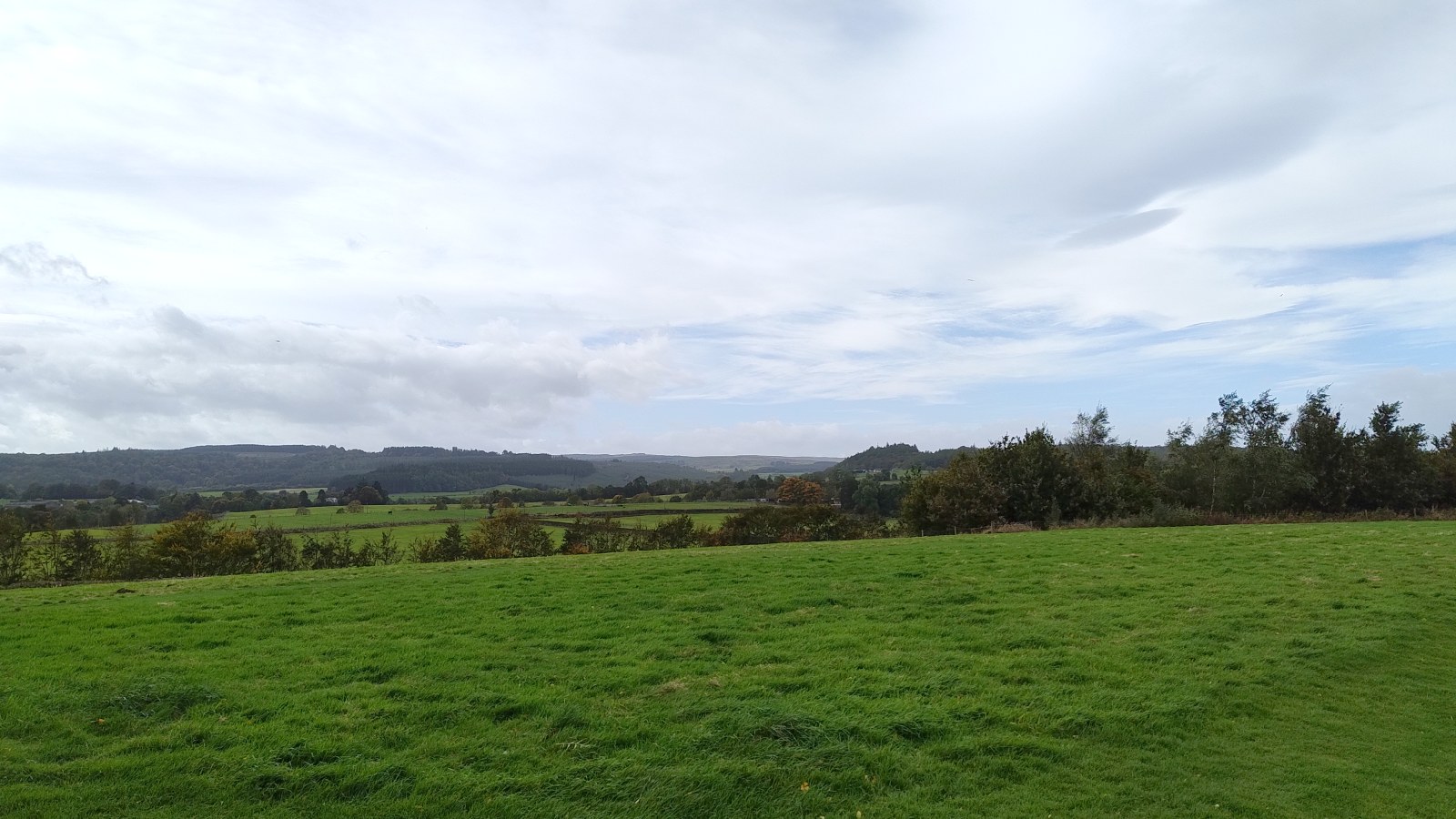
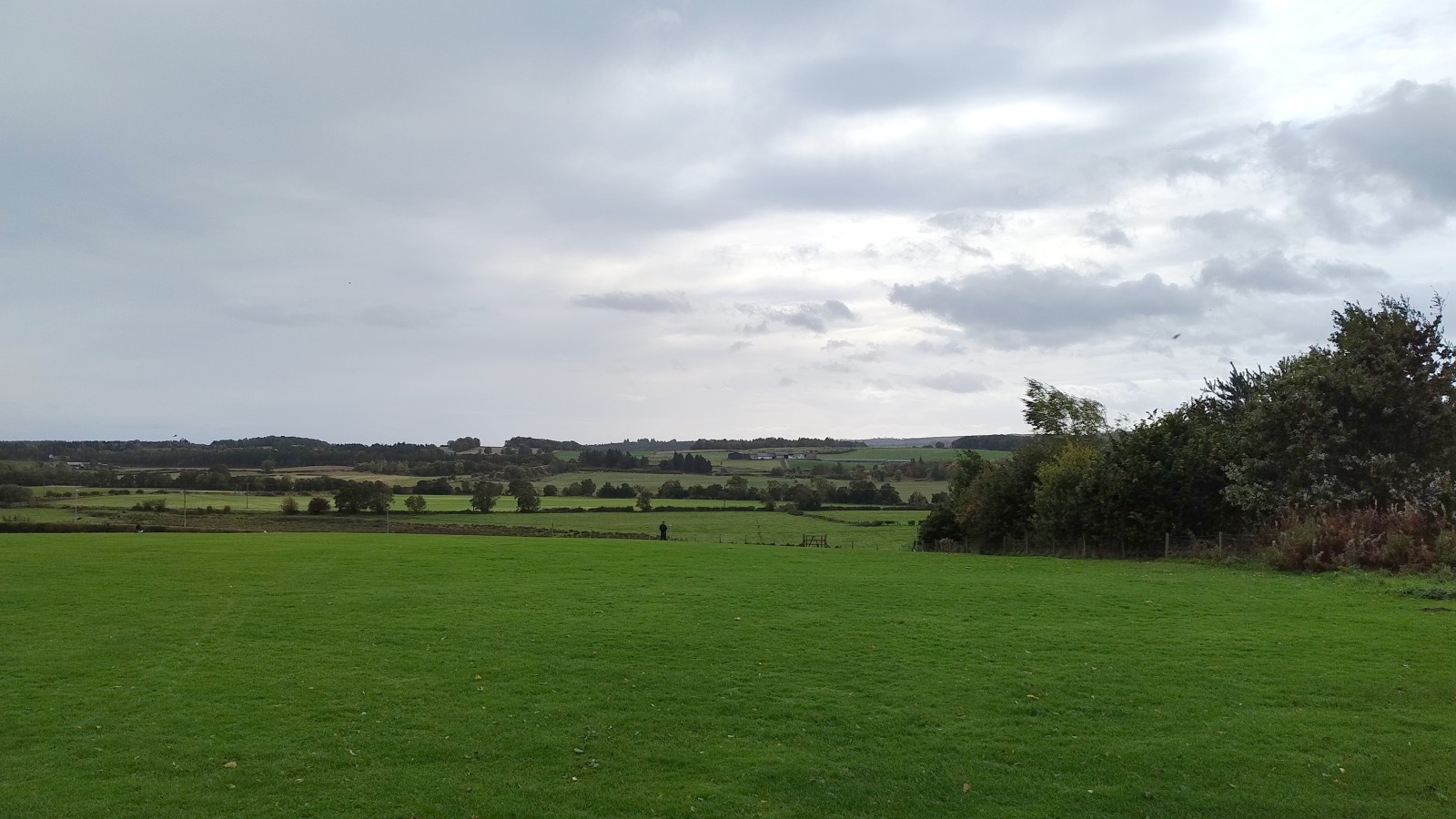
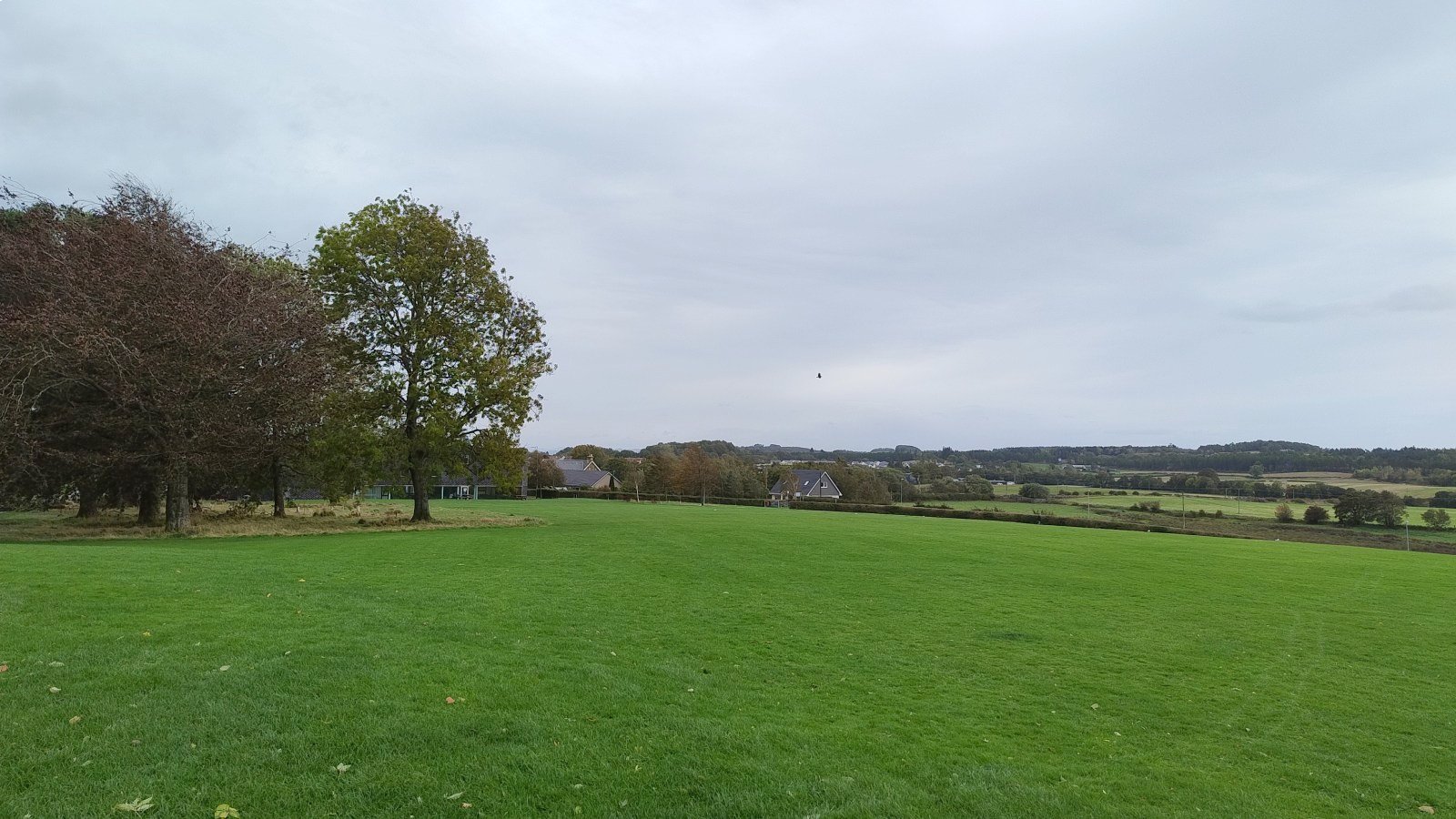
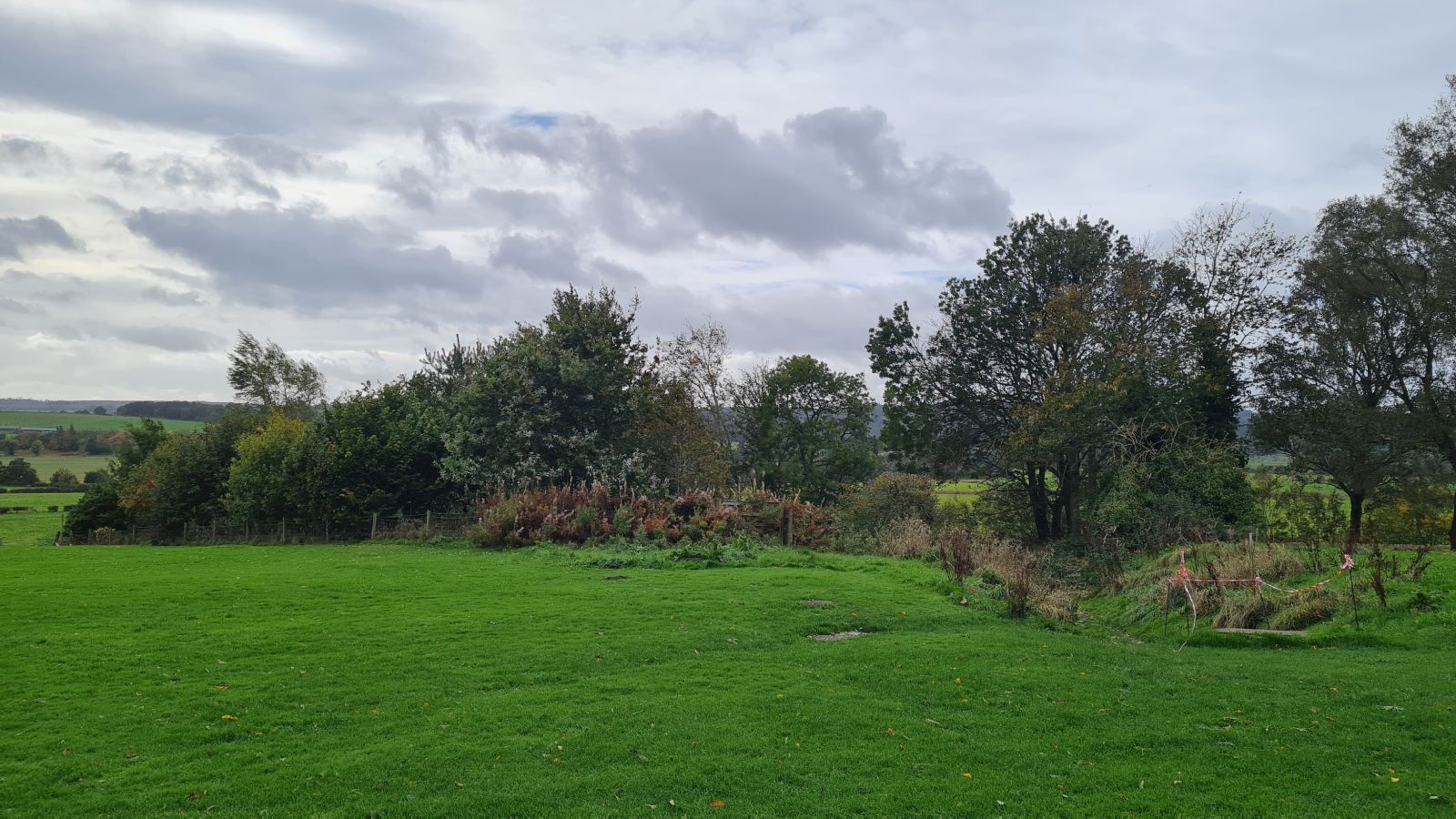
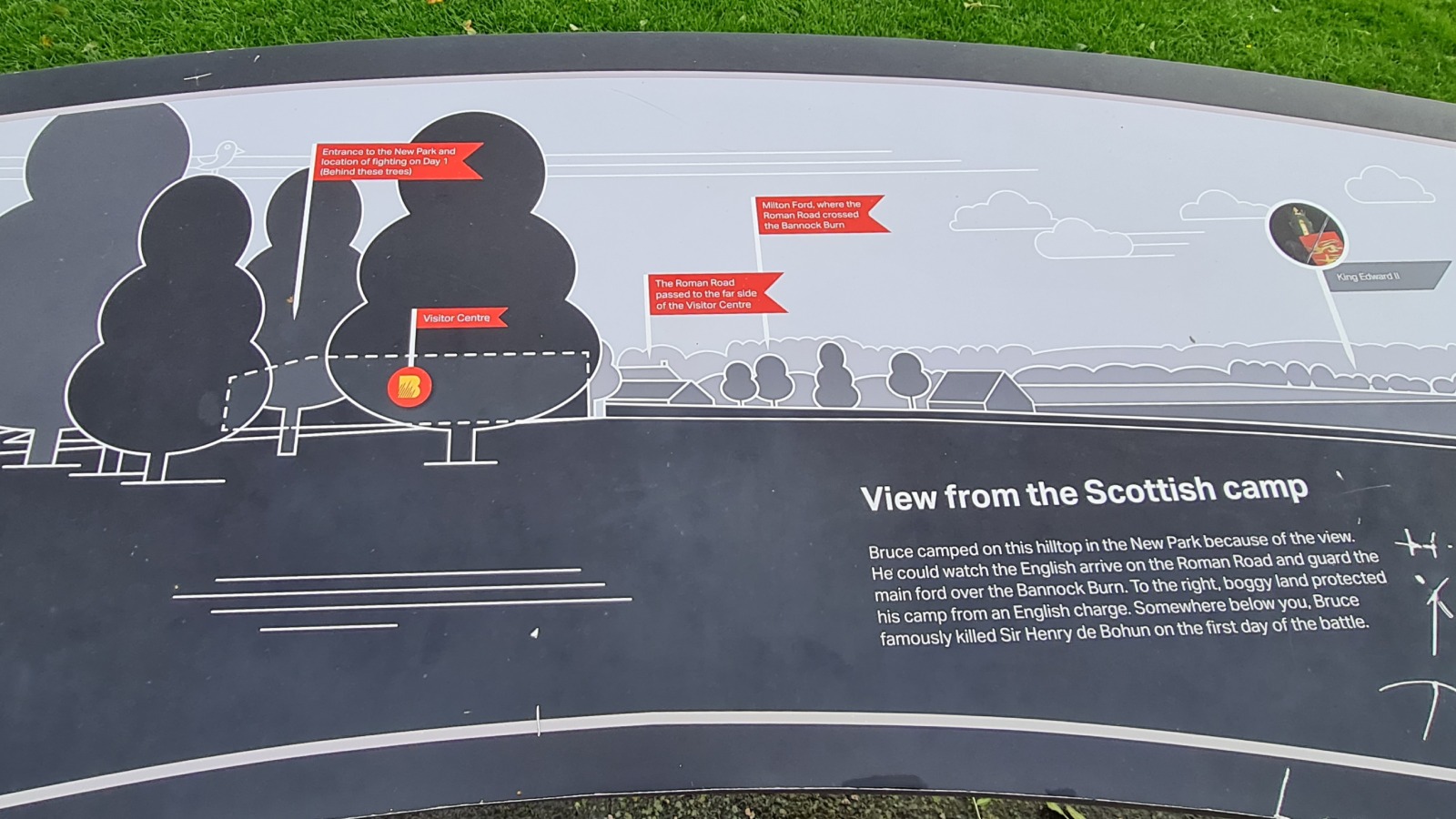
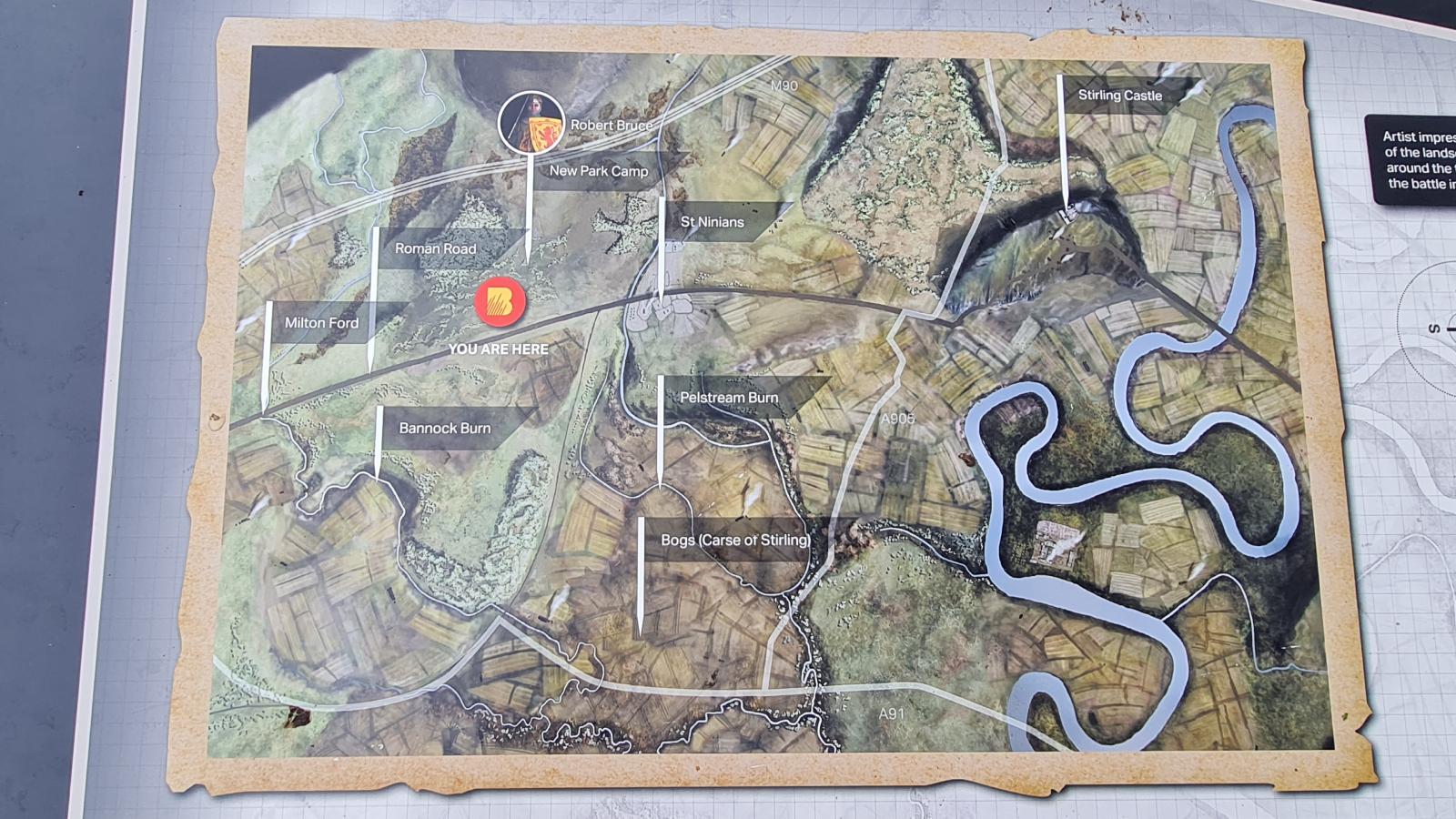
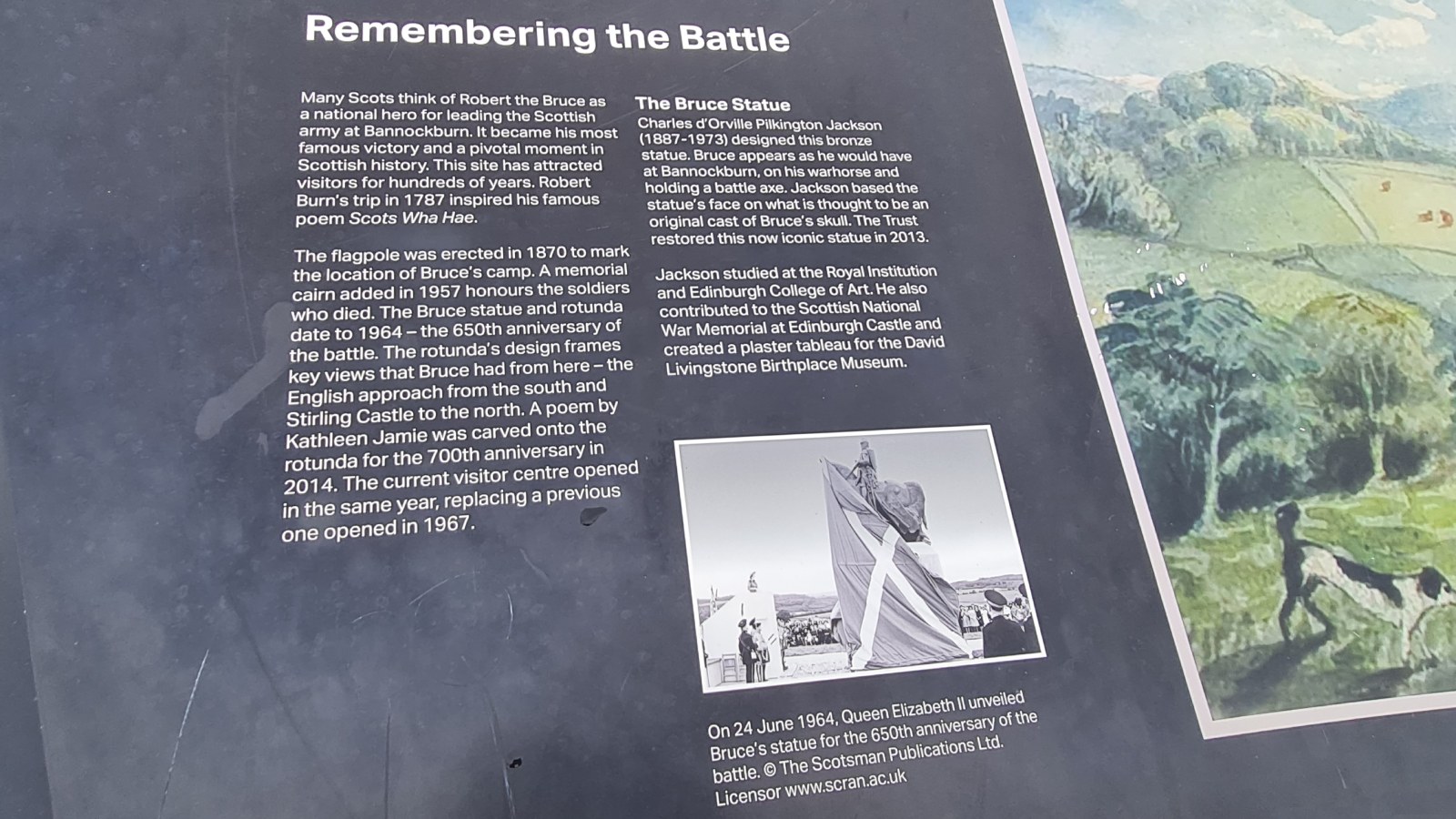
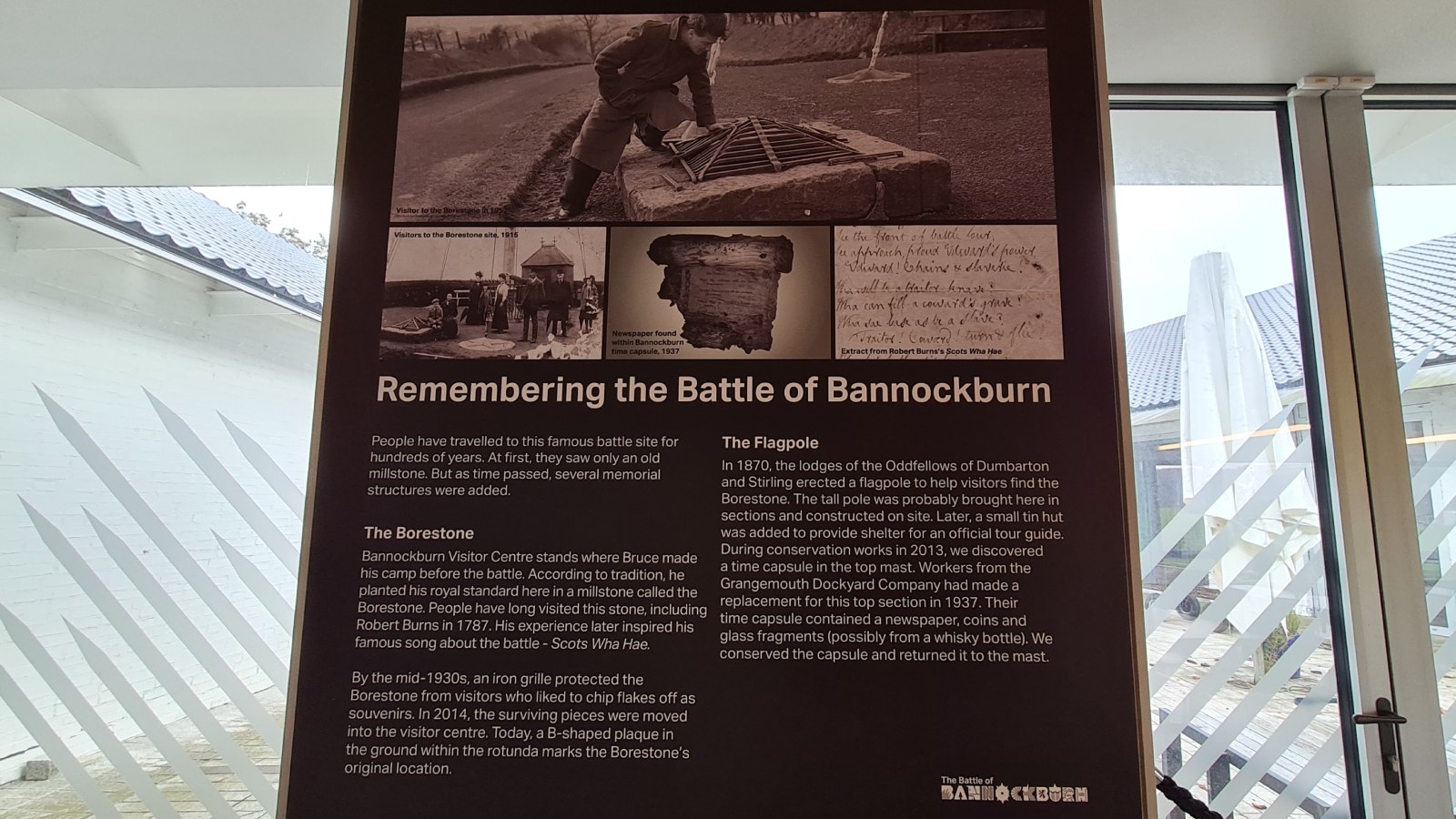
Although the exact site of the battle is not entirely clear, there is a large circular monument where Bruce’s army is believed to have camped. The interpretive signs give a realistic perspective of what the battle might have been like.
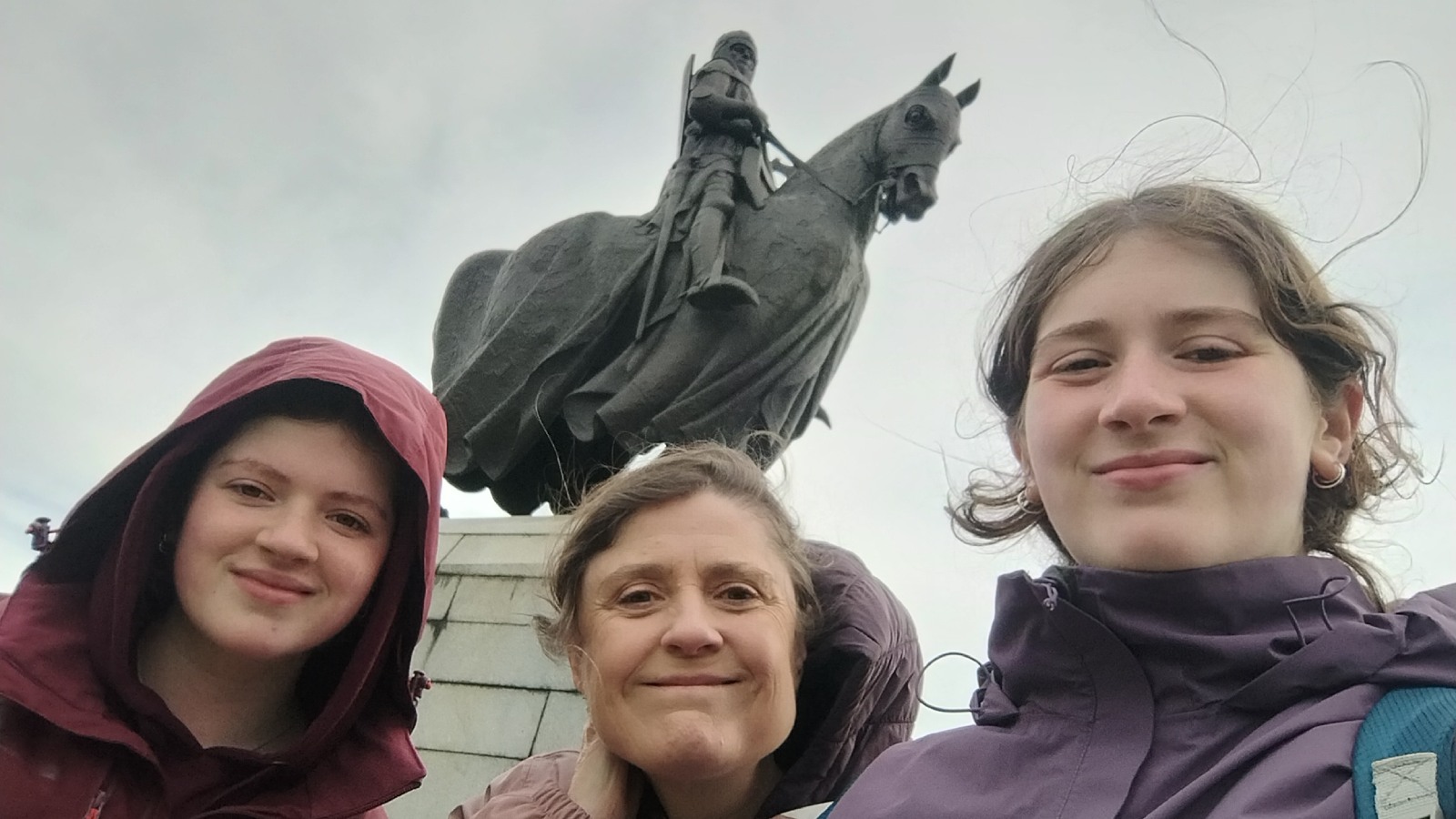
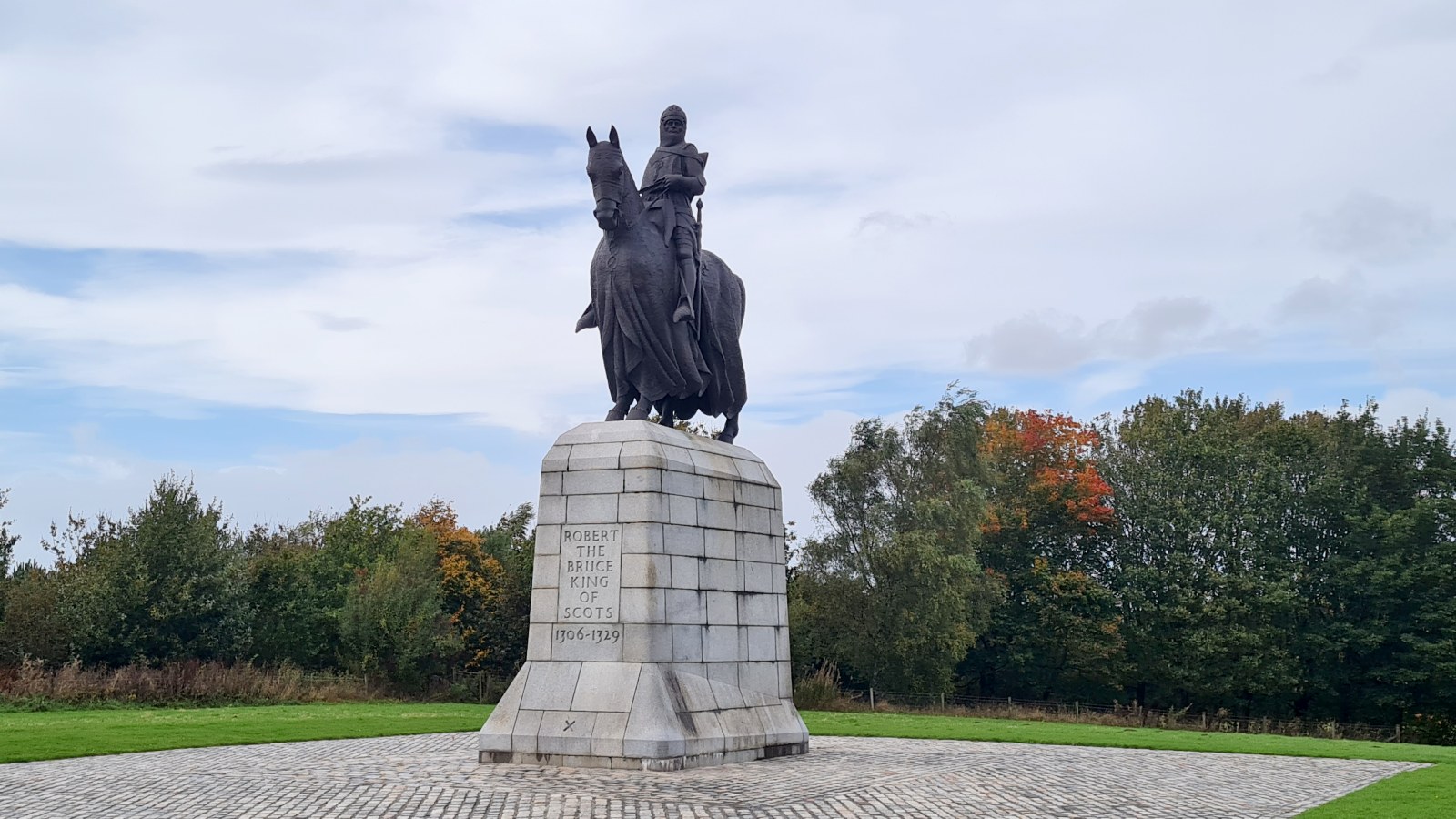
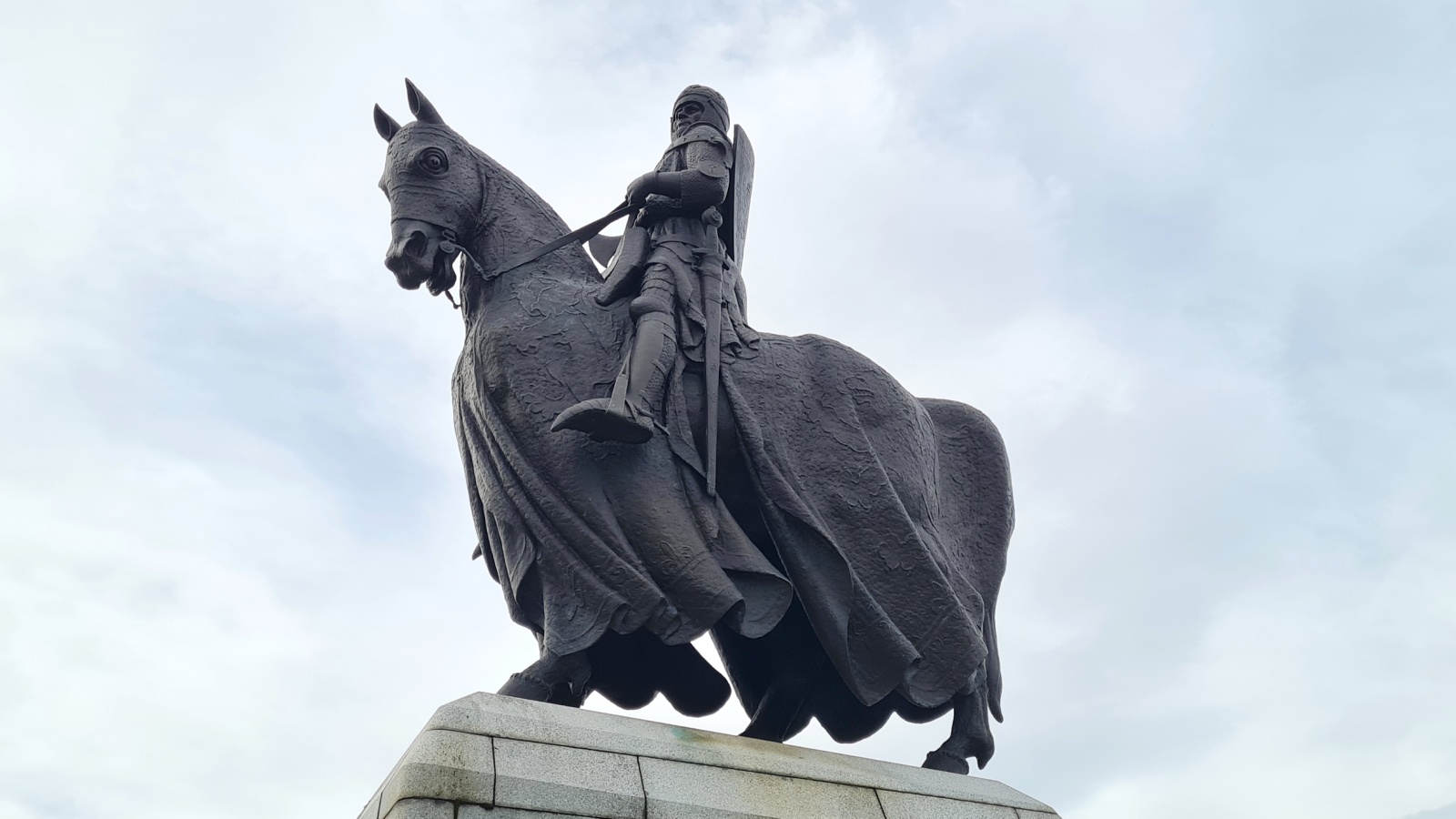
There is also an equestrian statue of Robert the Bruce wielding an axe which was commissioned in 1964 to commemorate the 650th anniversary of the Battle of Bannockburn.
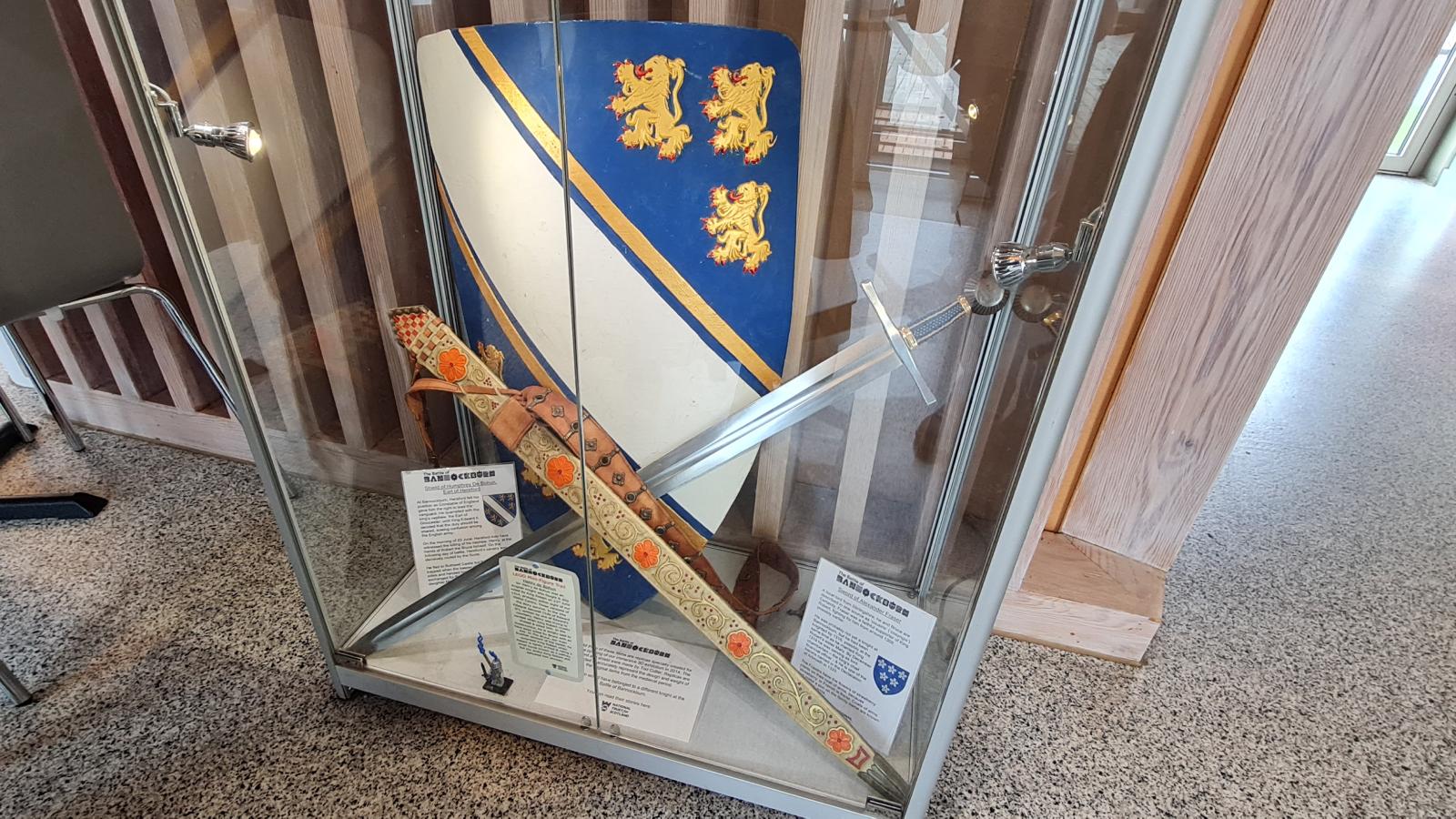
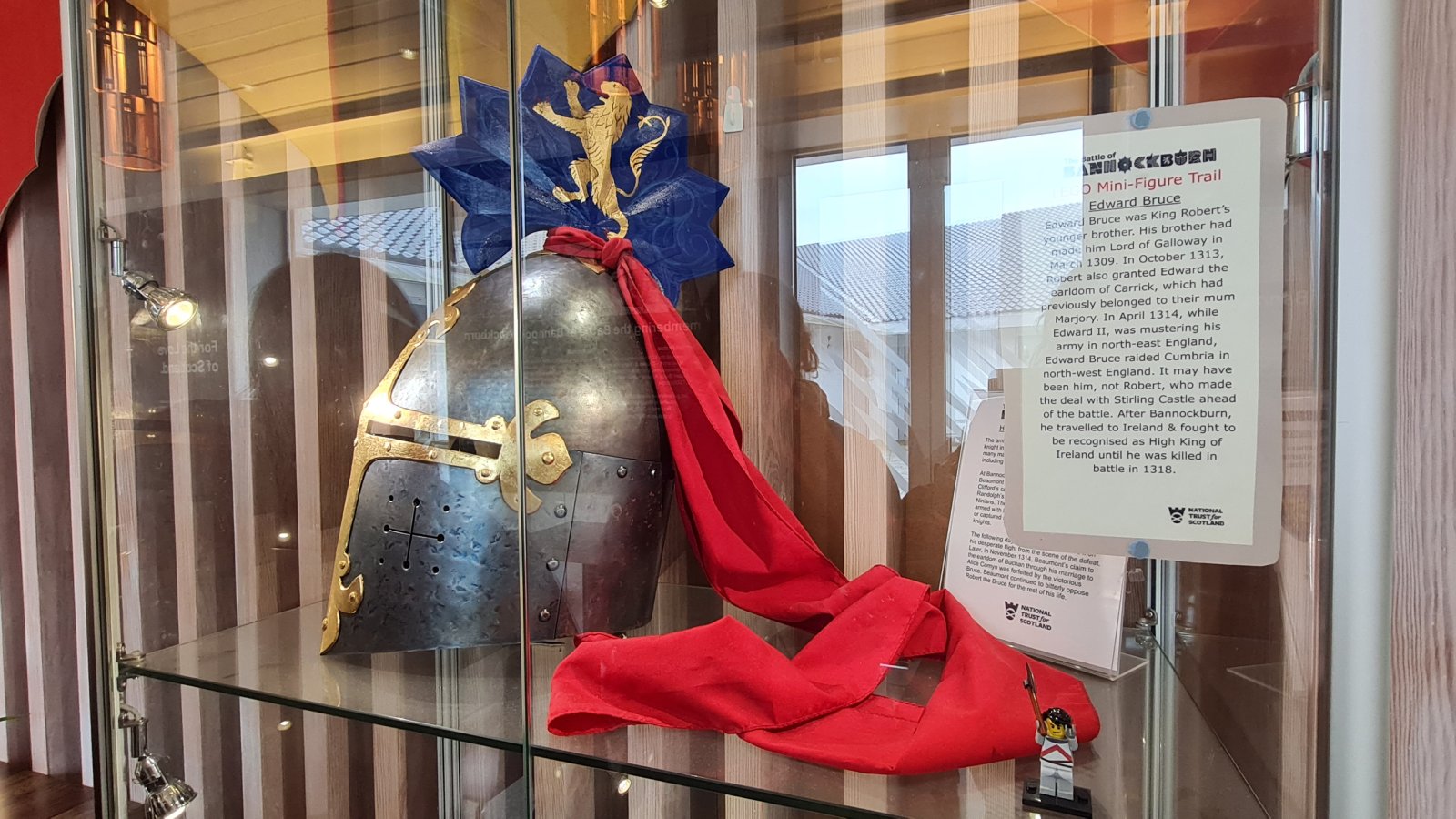
The visitor centre is operated by the National Trust for Scotland and provides tours, displays and interpretative experiences to learn more about the battle.
I have watched the movie Braveheart many times and although I know it’s not historically accurate, I think it gives a really good insight into what life would have been like in these times for people on all sides – the royalty and nobility, the military, the commoners who fought without formal training, and the communities with so much at stake.
I feel a strong sense of gratitude to those who fought for Scotland’s independence, especially the commoners. They must have been such passionate, patriotic people who were willing to sacrifice everything for their country, their freedom and their way of life, not only for their families and communities, but for future generations. Who knows what life might have been like for our ancestors if history hadn’t unfolded the way it did.
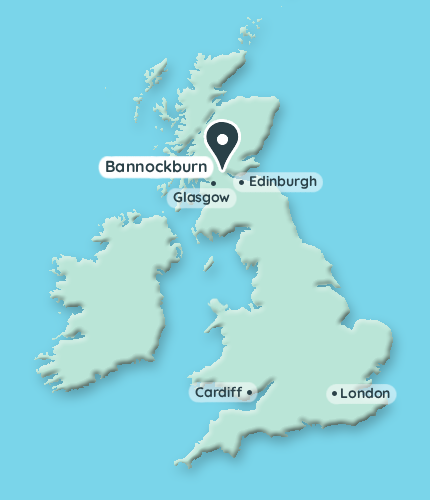
View the Battle of Bannockburn site & the Robert the Bruce statue on Google maps