
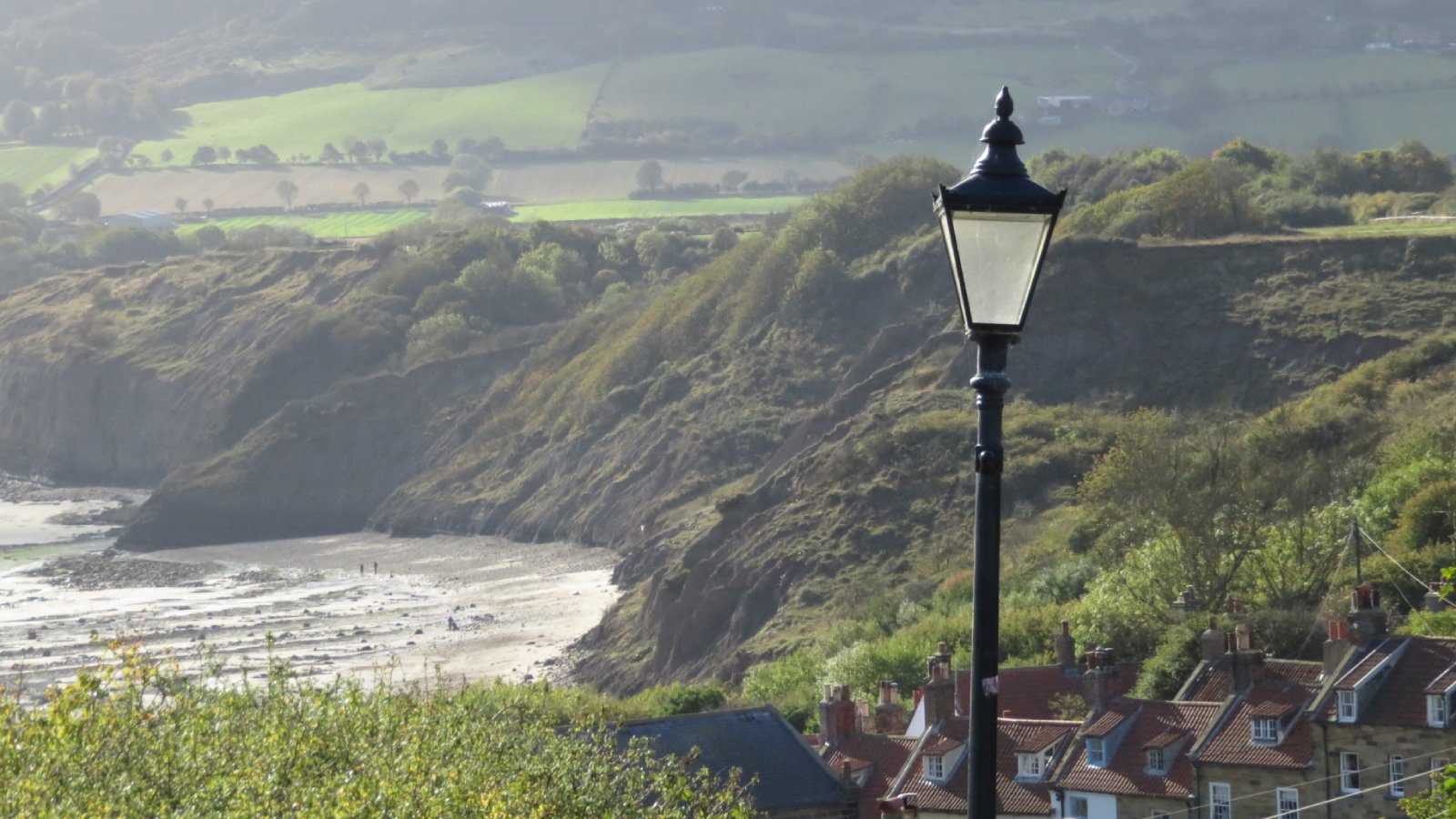
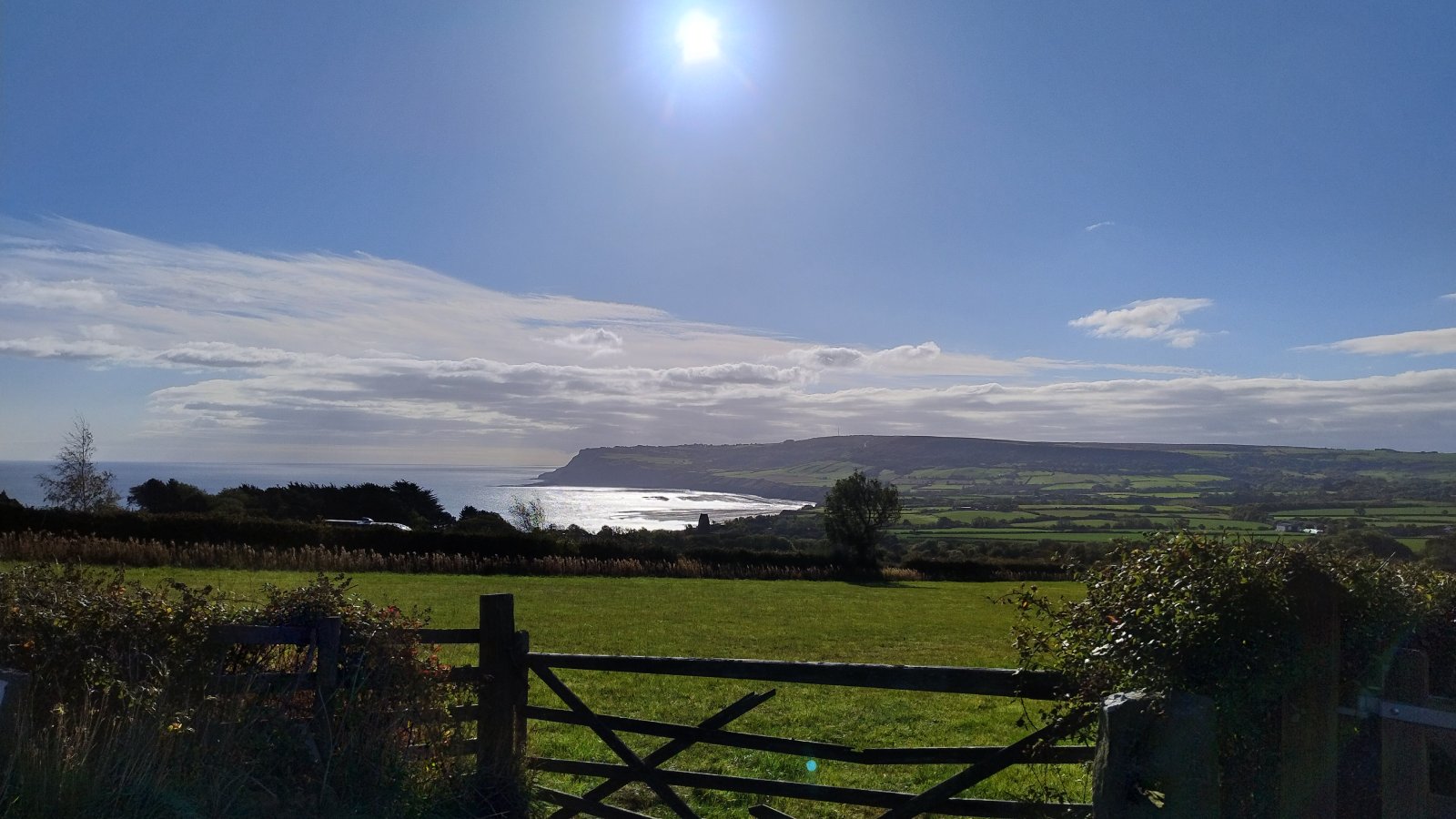
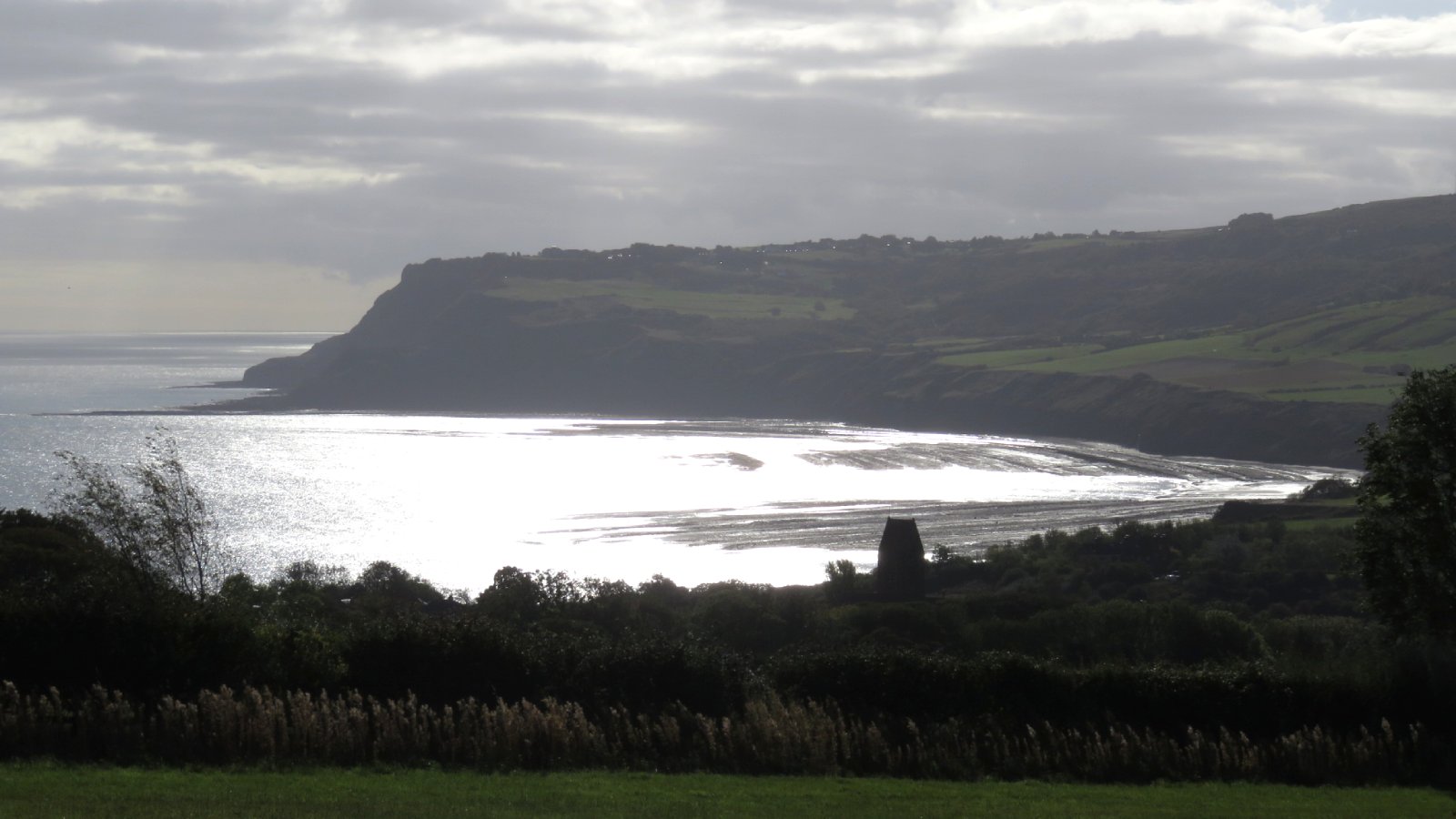
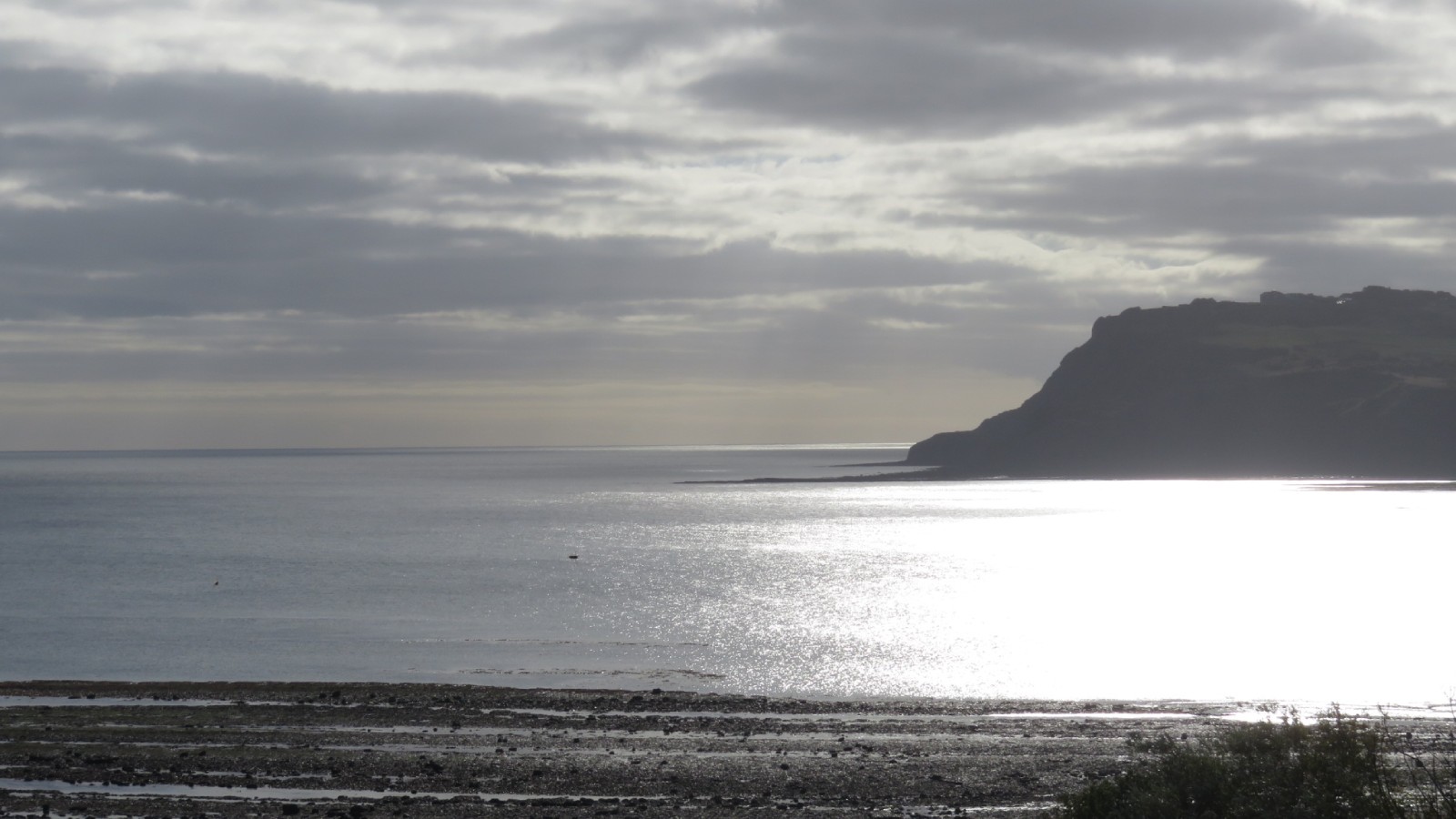
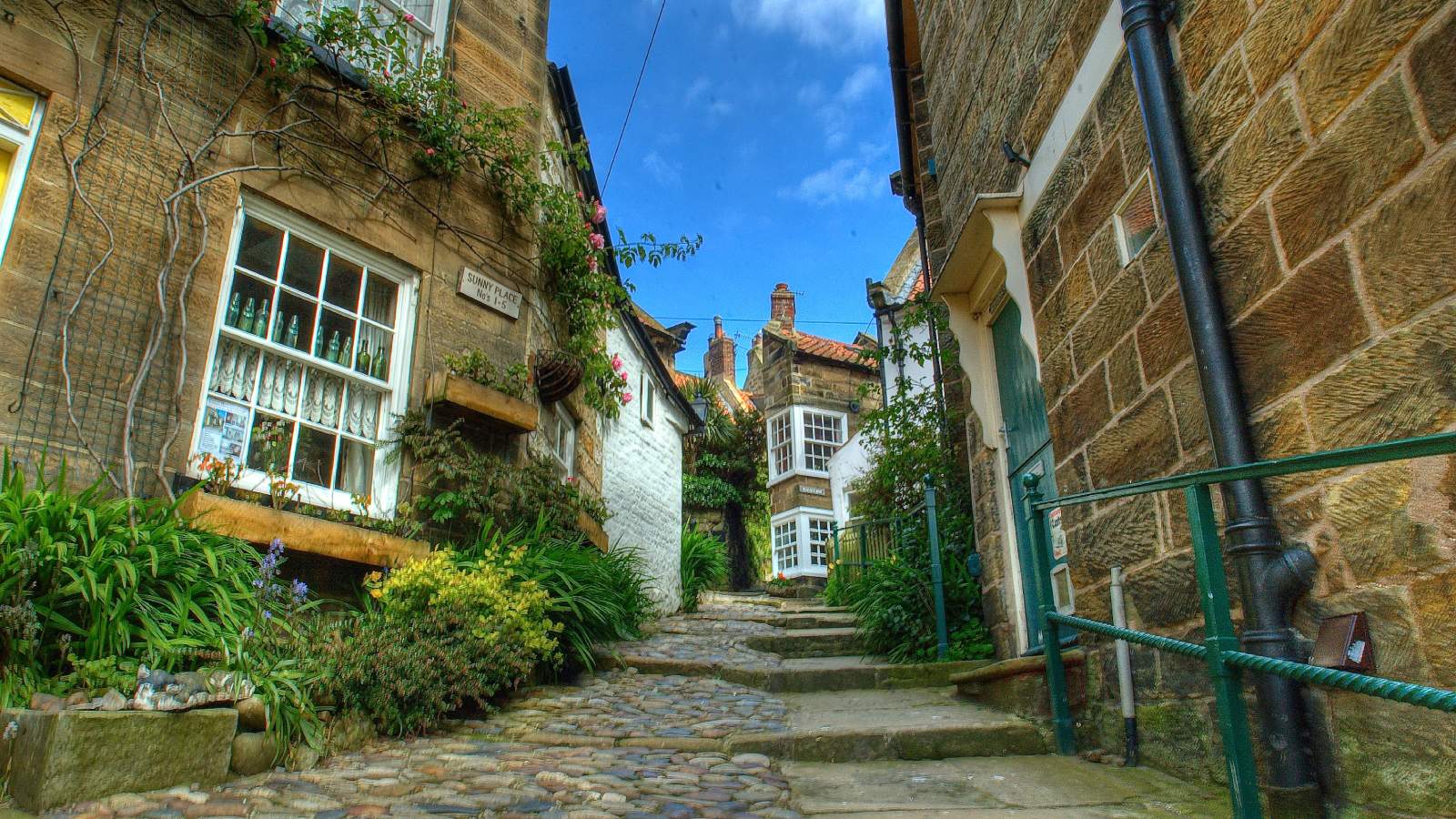
Robin Hood’s Bay was just 10km south of Whitby. As we needed to return the car that evening and had a 400km drive ahead of us, we were on a tight timeline, so had only intended a short stop here. Unfortunately we were unable to find a carpark, so our stop was even shorter than planned. Something we had noticed in many UK villages was that parking in the narrow streets was very limited, so if the designated parking lot was full, stopping was sometimes not possible.
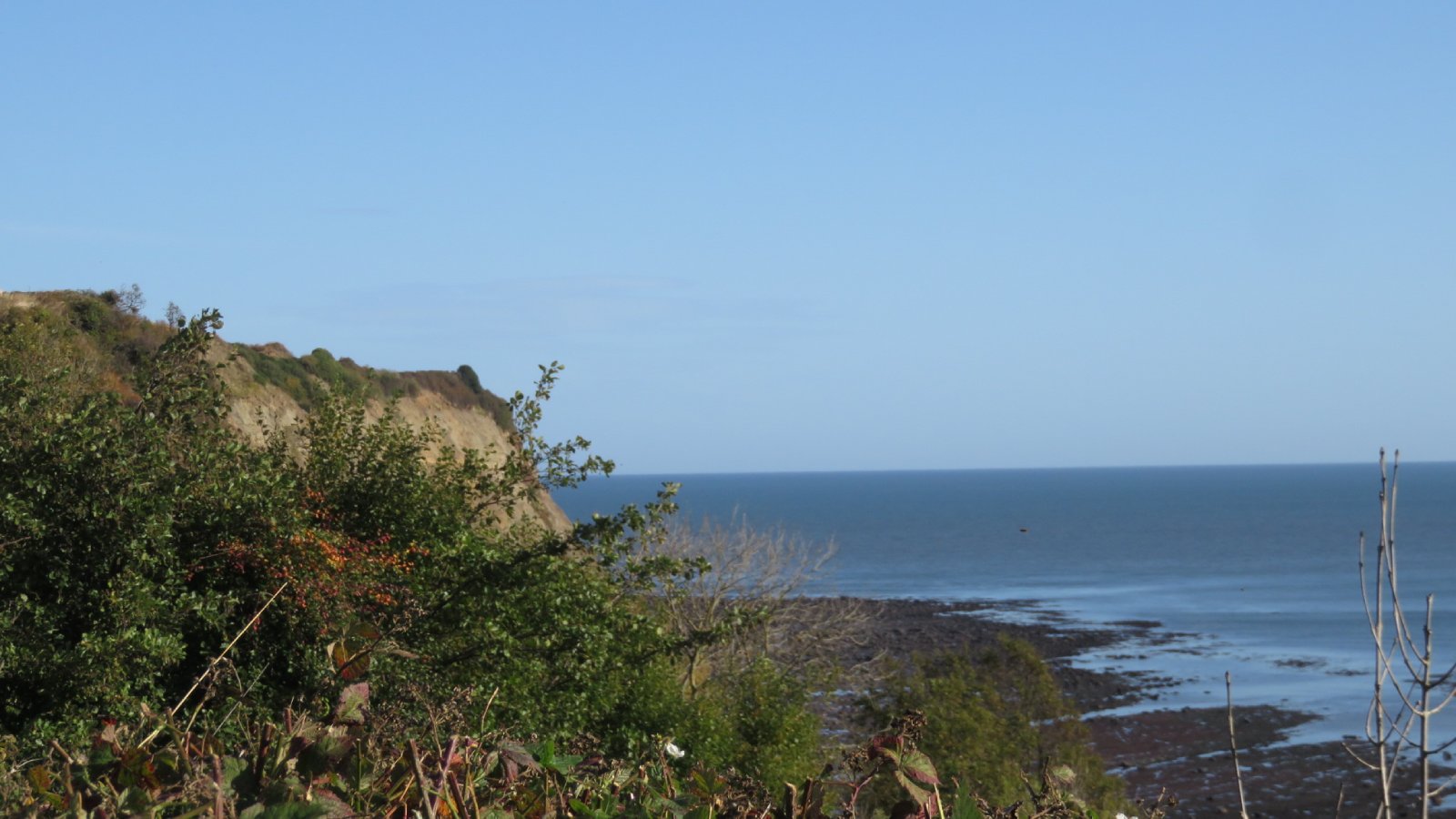
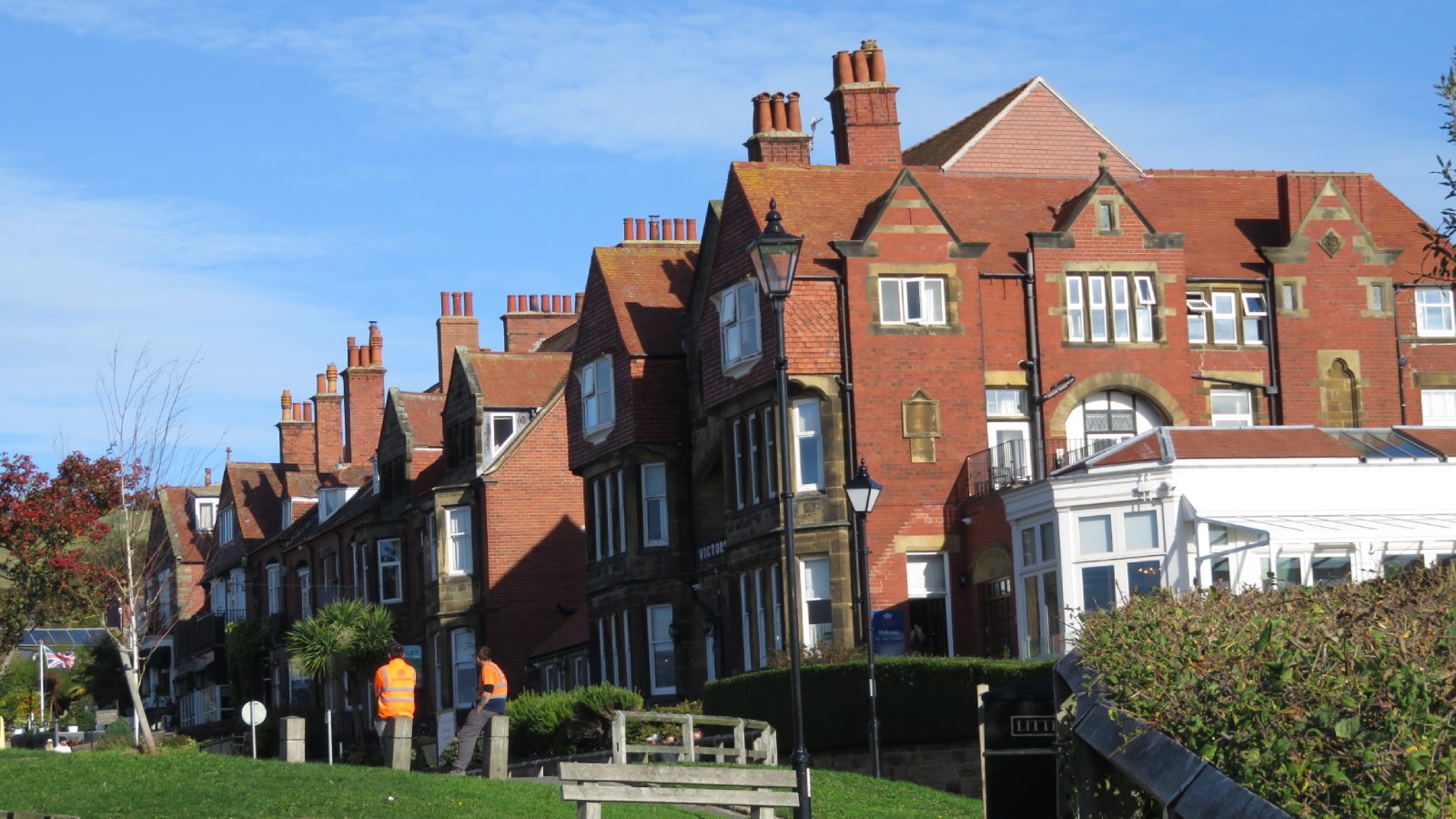
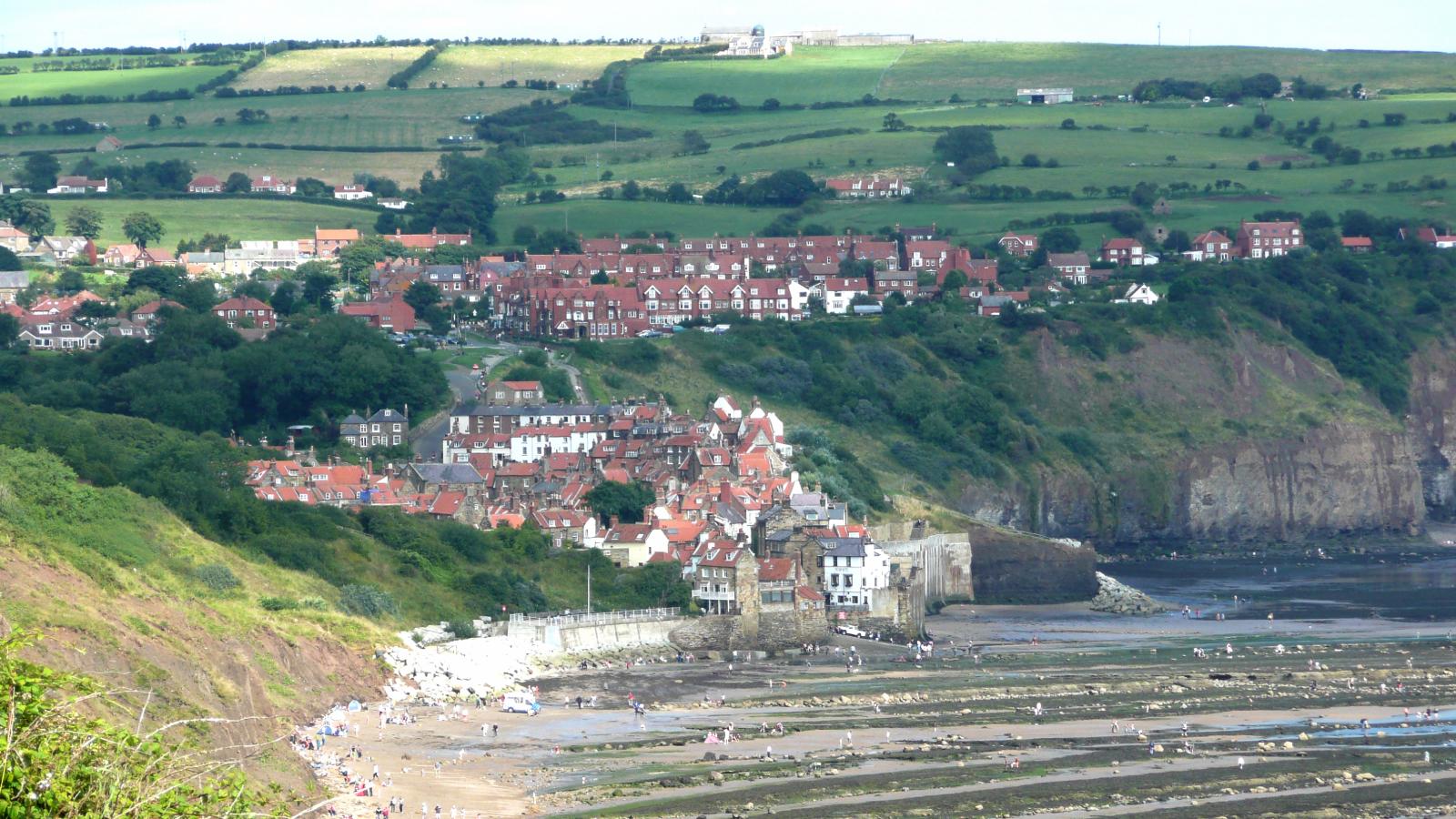
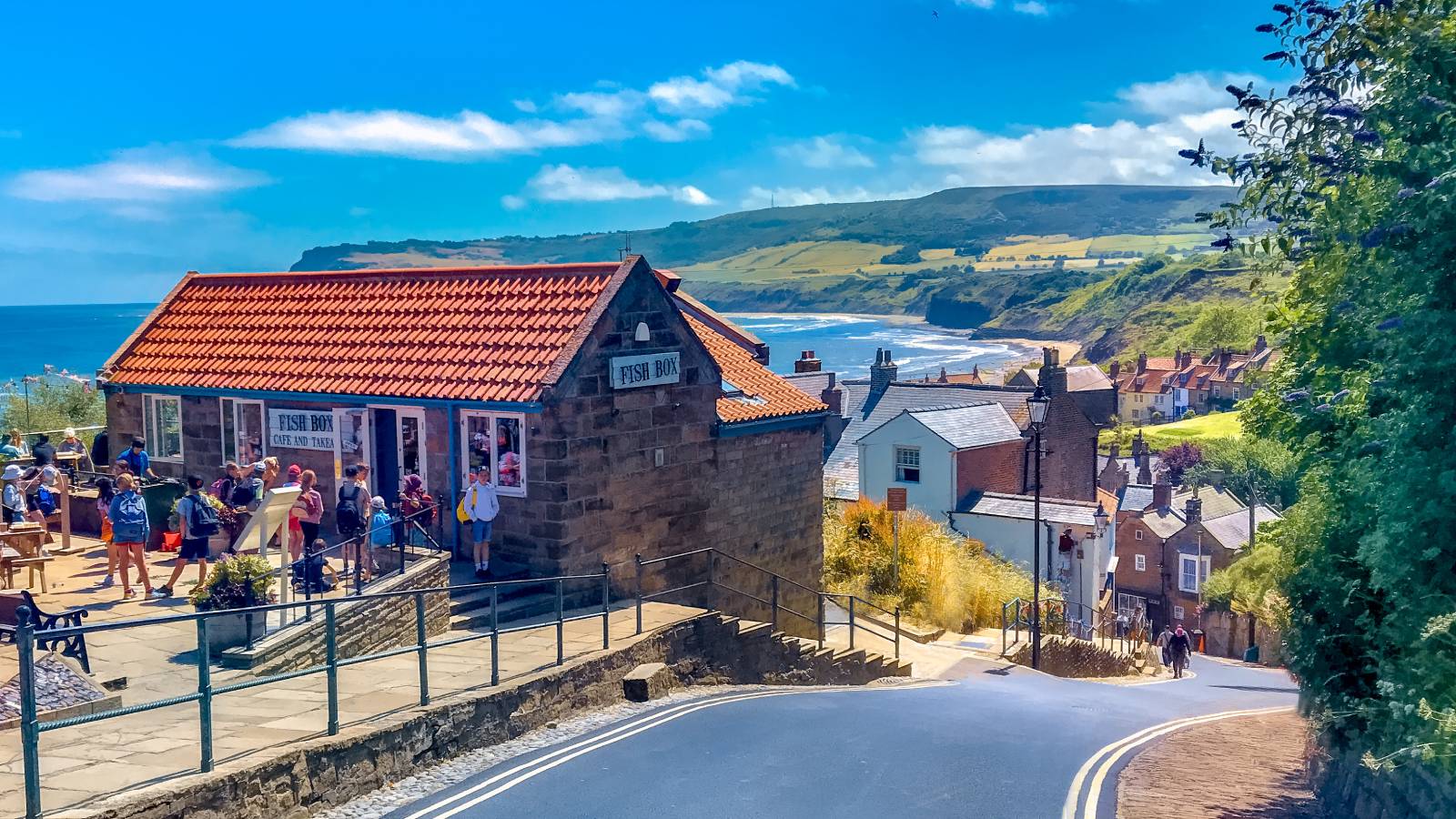
The girls were able to jump out for a quick look at the top of the bay, but the steep cliffside staircases and narrow winding alleyways that Robin Hood’s Bay is famous for, were much further down. The last three photos are stock photos to give an indication of what these look like.
Looking out towards Scandinavia across the North Sea, Robin Hood’s Bay was a well-known smuggling hub in the 18th century, with contraband like tea, silk and alcohol smuggled in through tunnels and secret passageways.
Settlement dates back 3,000 years with the discovery of a nearby Bronze Age burial ground. The Romans built a stone signal tower in the 4th century AD, then the Saxons settled here in around 500 AD. About 500 years later the Vikings arrived, attracted to the area’s rich farming soils and plentiful fish supplies. By 1536 Robin Hood’s Bay was officially known as a fishing village.
There are mixed views about how Robin Hood’s Bay got its name. There is no official connection with Robin Hood from Nottingham, however local legend claims that he once saved the bay from French pirates. To this day the name remains a mystery.
There is a clifftop walk from Whitby to Robin Hood’s Bay which looks pretty amazing and would be great to come back and do some time.
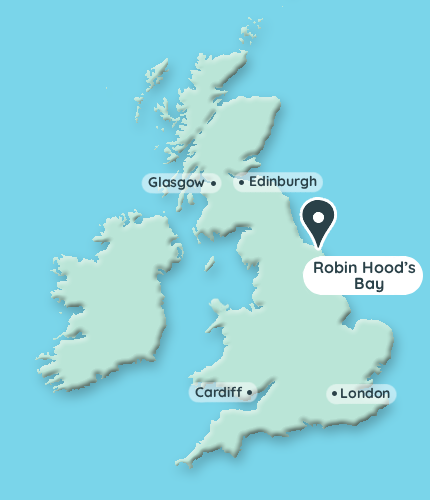
View Robin Hood’s Bay on Google maps